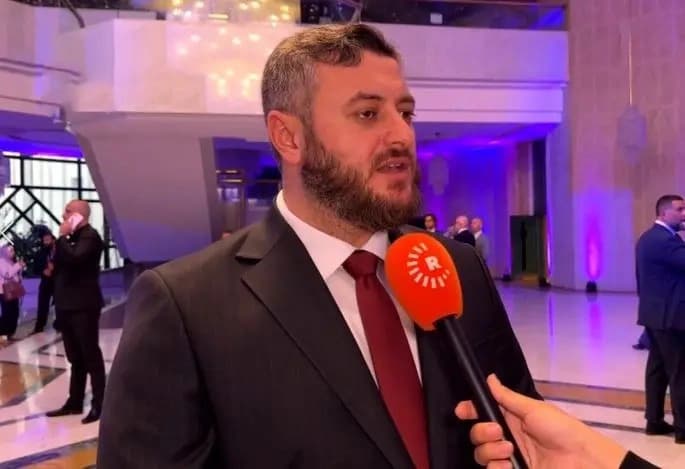
ERBIL, Kurdistan Region - The integration of the Syrian Democratic Forces (SDF) into state structures resulted from "a lot of work" and "wisdom" between the Kurdish-led force and the Damascus government, Syria's Permanent Representative to the United Nations, Ibrahim Olabi, told Rudaw, further hailing Kurdistan Region President Nechirvan Barzani's visit to Damascus as "historic" and crediting Erbil for its role in facilitating the process.
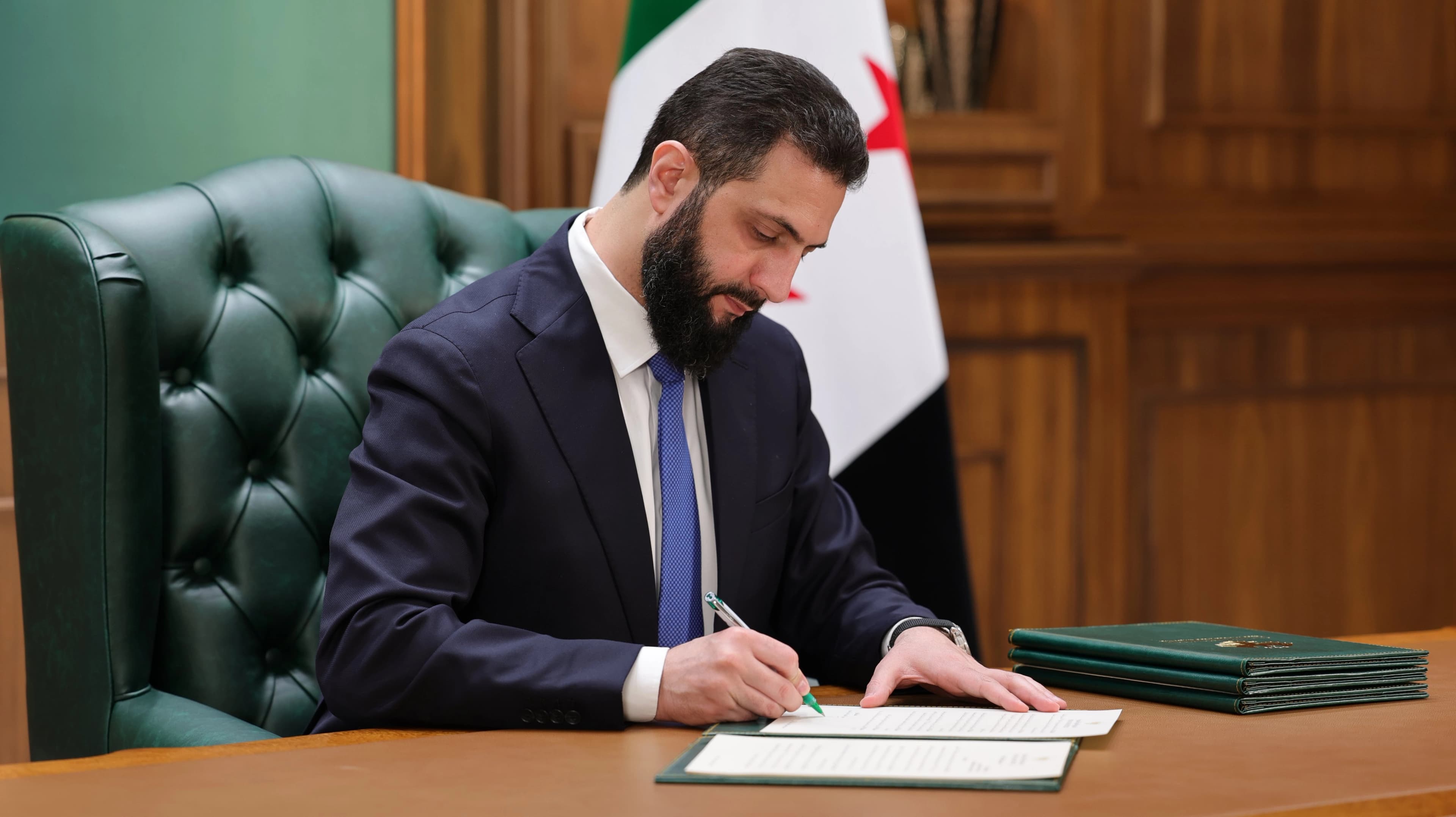
SDF chief Mazloum Abdi on Tuesday announced the dissolution of the SDF following a meeting with Syrian interim President Ahmed al-Sharaa in Damascus. The move pertained to the landmark January 29 Agreement between the Kurdish-led forces and the Syrian leadership to integrate northeast Syria’s (Rojava) civil and military institutions into the state.
Speaking to Rudaw's Namo Abdulla on Thursday, Olabi described the latter development as a “historical moment” that came after “a lot of work between the SDF and the government when it comes to integration” and “a lot of wisdom,” adding that the rights of Kurds in Syria “are guaranteed in so many different ways.”
The senior Syrian diplomat also described President Barzani's early August trip to Damascus and his meeting with Sharaa as a “historic visit,” pointing to the Syrian interim president's notable post about it on X - written “in Kurdish” - something "no Syrian president or maybe even Arab [has done before],” Olabi said.
The Kurdistan Region "did play a positive role in facilitating, mediating, explaining context, explaining how things work, who the allies are, who the enemies are," the Syrian ambassador said, adding that "Kurdish brothers and sisters [in the Region] played a very positive role in addition to international actors."
On the sidelines of his Damascus meeting with Sharaa, President Barzani wrote on X that "Syria now has a historic opportunity to recover, rebuild, and prosper," adding that he had reaffirmed to the Syrian leader "our support for a stable and united Syria, where the rights of all ethnic and religious communities are protected."
While the SDF's integration has been finalized, that of its affiliated all-women force, the Women's Protection Units (YPJ), remains incomplete.
Earlier on Thursday, the YPJ - a core component of the SDF that played a pivotal role in liberating Syrian territory from the Islamic State (ISIS) - said in a statement that its fighters "could be integrated, as a distinct and organized force, into the structure of the [Syrian] Ministry of Interior."
The announcement followed a meeting between the YPJ's general command and an official interior ministry delegation, during which "issues of security and stability in Syria" and "cooperation and coordination between the two sides" were discussed, the statement said, noting that further "meetings and discussions" lie ahead.
Olabi welcomed the progress on YPJ integration as part of a broader "positive atmosphere" reflecting a shared desire to "work together to a future, a better Syria that really is deserving of all."