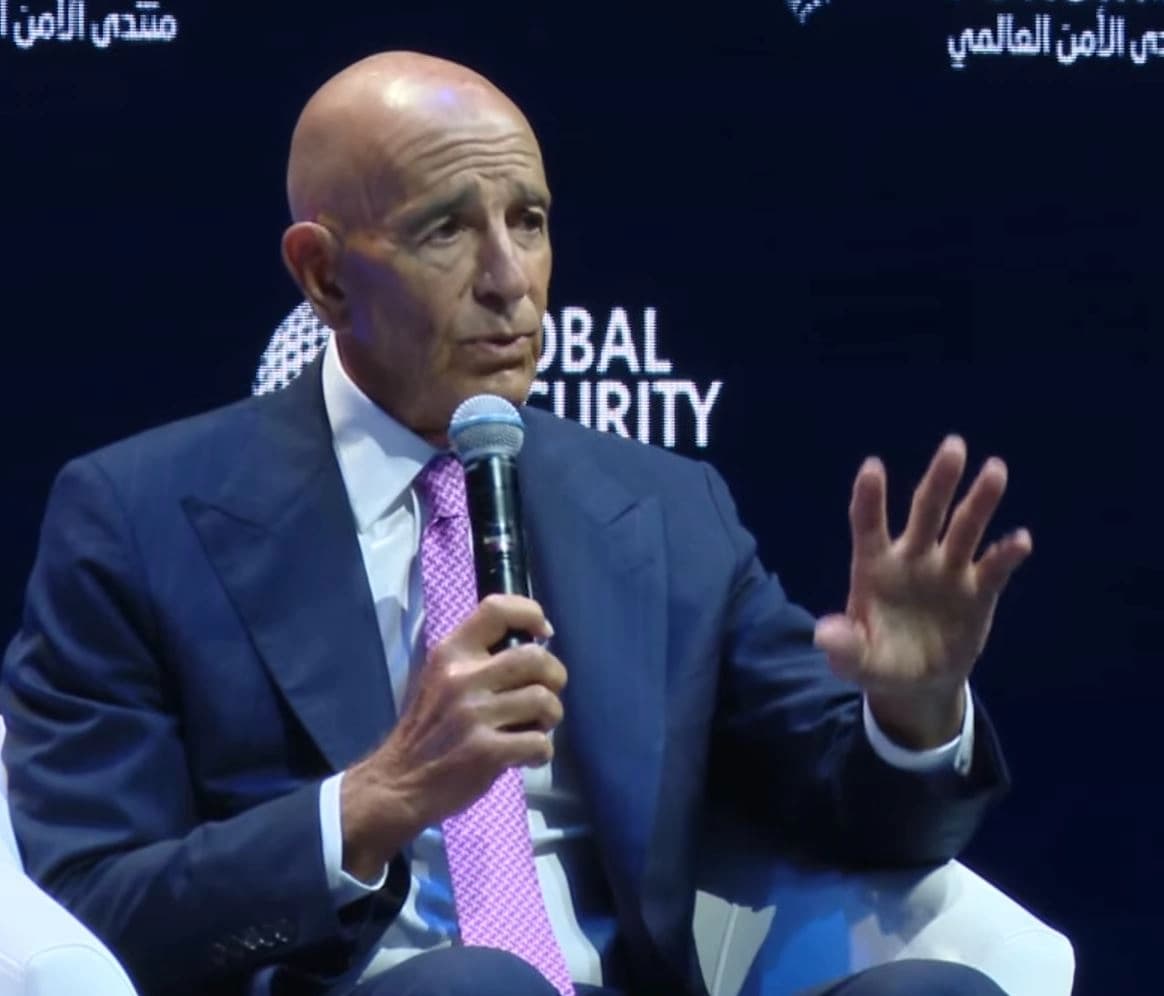

ERBIL, Kurdistan Region - The United States is “dismayed” by renewed violence in Syria’s Druze-majority Suwayda province, US Special Presidential Envoy for Syria and Iraq Tom Barrack said on Saturday, urging restraint and dialogue following days of clashes between government forces and Druze fighters.
“We are dismayed by the renewed escalation in Suwayda,” Barrack said in a statement.
The latest escalation followed a dispute over school examinations after armed groups affiliated with the Druze National Guard prevented hundreds of students from reaching government-run examination centers in the northern Suwayda countryside for an exceptional examination session that began on August 29. The move prompted protests and confrontations involving students, their families and armed groups at checkpoints.
The dispute coincided with renewed clashes between Syrian government forces and the Druze-led National Guard, affiliated with influential spiritual leader Sheikh Hikmat al-Hijri, with the two sides trading blame for the escalation.
The Syrian Observatory for Human Rights (SOHR) said on Friday that Suwayda has witnessed continued escalation since late August, with repeated ceasefire violations and clashes along several fronts west and northwest of Suwayda city.
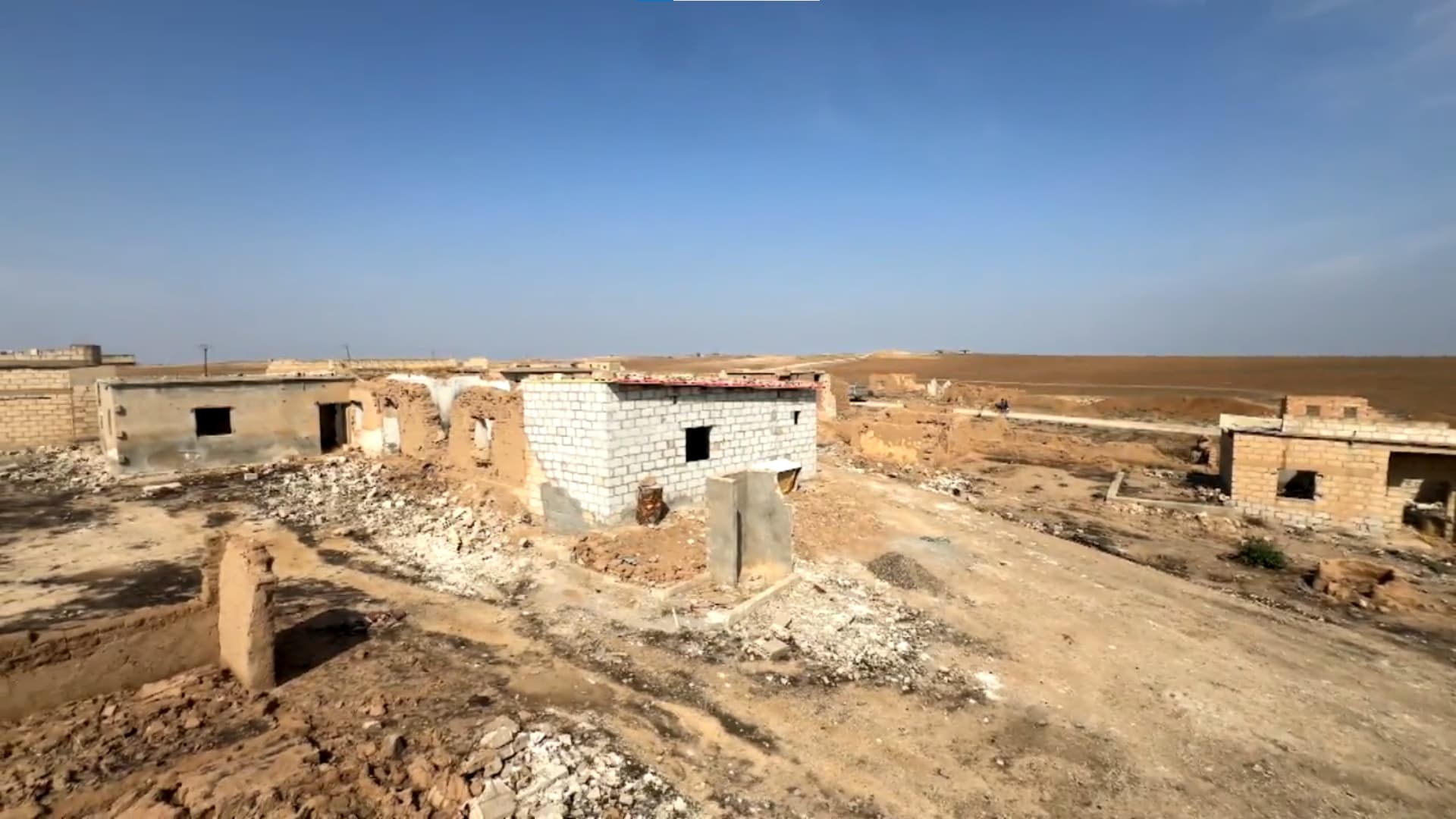
SOHR said a National Guard fighter was killed and nearly 10 members of the internal security forces were wounded in clashes earlier in the week. It also reported civilian casualties, including two people killed in shelling, as well as damage to homes and electricity infrastructure.
The UK-based monitor said the latest fighting on Thursday erupted between National Guard fighters and government forces and allied groups around the towns of Majdal and Mazraa in western Suwayda. SOHR reported no casualties from that round of clashes.
Both sides have accused the other of initiating attacks. Syrian authorities have accused National Guard fighters of attacking government positions, while the Druze force has accused government troops of shelling areas under its control, including residential areas.
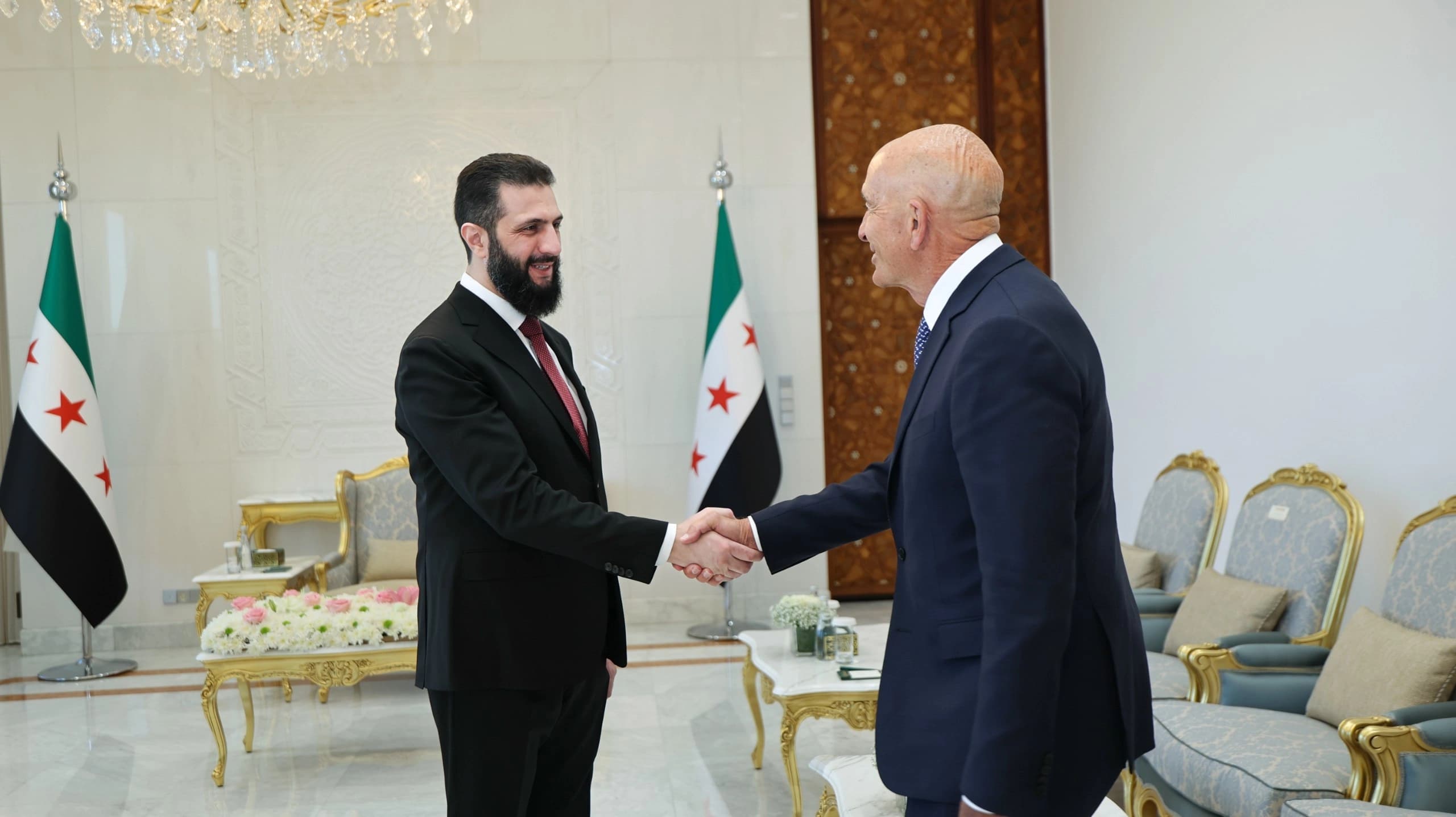
Barrack recalled a roadmap agreed by Washington, Damascus and Amman last year aimed at ending violence and restoring stability in the province.
“Nearly a year ago, alongside Syrian Foreign Minister al-Shaibani and Jordanian Foreign Minister Safadi, we put our signatures to a trilateral roadmap for peace in Suwayda: a path to the dignified reintegration of the province into Syria, with the full rights and the full obligations of citizenship for its Druze community,” he said.
“That path remains the only one that leads anywhere but back to grief.”
Barrack also raised concerns about violence within the Druze community, citing the case of Atef Hunaidi.
“Syria’s Druze are a people of noble and ancient history. Yet where governance is absent, gangs fill the void, and today a very few with toxic motives are turning on their own, men such as Atef Hunaidi, arbitrarily detained and driven from his home,” he said.
“Our team is in contact with Mr. Hunaidi and with others caught in this campaign of intracommunal violence.”
Hunaidi, a local figure has previously been involved in local mediation and reconciliation efforts, was reportedly forced to leave Suwayda for Damascus on Friday following a dispute sparked by his public criticism of Hijri. He has previously spoken against separatism and Israeli involvement in southern Syria while advocating for Suwayda to remain part of a unified Syrian state.
The dispute intensified after Hunaidi recently issued a statement rejecting recent remarks by Hijri about the Druze community’s relationship with Israel and the future of Suwayda. Hunaidi rejected the idea that any single religious figure could speak on behalf of the entire Druze community.
Local reports said armed members affiliated with the Druze National Guard surrounded Hunaidi’s home in Majdal for several hours before taking him away. He subsequently arrived in Damascus.
The National Guard has disputed accounts that Hunaidi was forcibly expelled. It said its forces intervened following tensions over his remarks and facilitated his departure at his own request, adding that he traveled from Suwayda to Damascus voluntarily.
Barrack called for continued cooperation among Druze, Arab tribes and neighboring countries, saying disputes should be addressed through dialogue and that the use of force should remain the responsibility of the state.
Suwayda has remained deeply divided since deadly violence erupted in July 2025 between Druze fighters and Bedouin tribes, later drawing in Syrian government forces. The fighting left hundreds dead and displaced tens of thousands before a ceasefire was reached.
Tensions have persisted despite the truce, with Damascus seeking to extend state authority over the province while Hijri and factions aligned with him have resisted government control. Hijri has previously called for international support for a separate Druze region, while Damascus has rejected attempts to divide the country.
Barrack said the Syrian government had begun addressing abuses committed by its forces during last year's violence.
“The Syrian government has begun to confront the grave crimes committed by its forces last July and to hold those responsible to account before its courts. That is the direction of hope, and it must continue,” he said.
“The only way forward is a dialogue that delivers accountability, restores security, and opens the road for the displaced to return and for what was destroyed to be rebuilt.”
He urged all sides to exercise restraint amid the latest tensions.
“This is a sensitive hour, in the neighborhood and in the world. We urge upon all parties the two disciplines that peace has always asked of the brave: restraint in action, and communication in earnest,” Barrack said.
“The alternative to talking is not victory. It is only the next round of mourning.”