
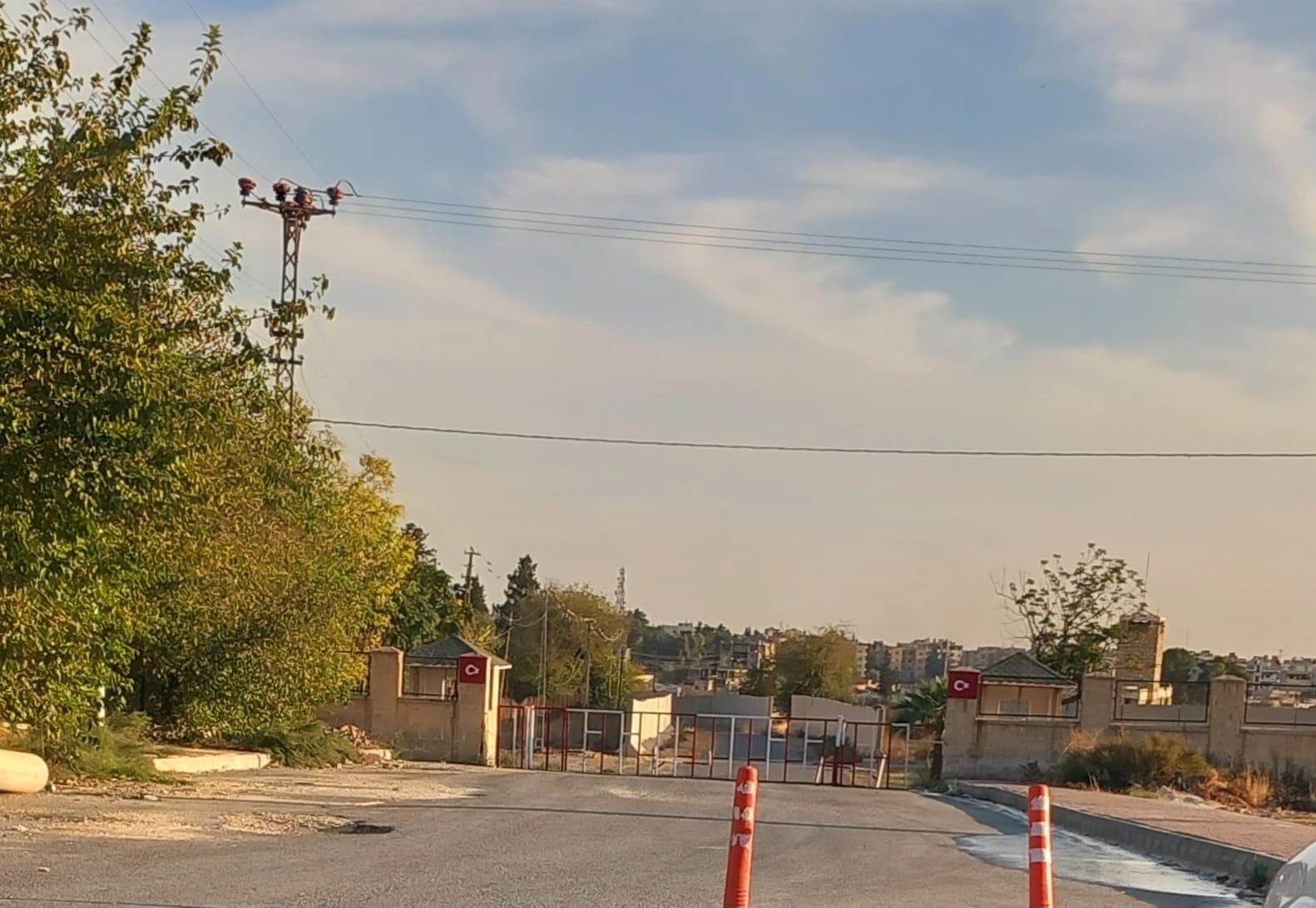

ERBIL, Kurdistan Region - Syria has officially begun work on a new border crossing linking its northeastern city of Qamishli (Rojava) with southeastern Turkey’s Nusaybin, a project authorities say will “facilitate passenger movement” and expand trade and transit between the two countries.
“Work has officially begun on establishing the Qamishli-Nusaybin border crossing,” Qutayba al-Badawi, head of Syria’s General Authority for Land and Sea Ports and Customs, said in a statement on Wednesday.
The crossing will be the seventh border crossing between Syria and Turkey, according to the authority, and is intended to facilitate passenger travel, increase commercial exchange and “opens new horizons for transit movement through Syrian territory,” Badawi said.
Work is currently underway on the Syrian side, where technical teams and machinery have begun clearing mines, cleaning the site, conducting engineering surveys and paving areas for the customs and administrative infrastructure needed to operate the crossing.
The announcement followed a meeting chaired by Badawi to review the authority’s work plans and discuss its 2027 budget, including spending priorities for infrastructure projects at border crossings and measures to improve services.
Preparations for the crossing have been underway for months.
In late July, Hasaka Deputy Governor Ahmad al-Hilali and Simalka Crossing (Iraqi-Syrian) director Hamoud al-Hamoud described the project as strategically important for Hasaka, saying it could boost trade, transport and transit between Turkey and Iraq through Syrian territory.
On the Turkish side, infrastructure and construction work at the Nusaybin crossing, opposite Qamishli, has already been completed, according to Syrian state news agency SANA, citing Turkish preparations in mid-August.
Turkish Minister of Trade Omer Bolat announced in July that the crossing is targeted to open by the end of the year, according to Turkish state-run Andalou Agency.
Turkey has also been expanding or upgrading several other crossings along its border with Syria, including Yayladagi, Akcakale, Oncupinar, Cobanbey and Karkamis, as Ankara prepares for increased trade and transport activity linked to Syria’s recovery and reconstruction.
Separately, the General Authority for Land and Sea Ports and Customs said on Wednesday on X that the Simalka border crossing between the Kurdistan Region and Hasaka will begin operating around the clock, seven days a week, starting in October.

.webp&w=3840&q=75)