
ERBIL, Kurdistan Region - Damascus late Wednesday denied reports that Riyadh had requested Syrian troops to support the Saudi-led coalition in Yemen in its operations against the Iran-aligned Ansarullah movement - widely known as the Houthis - in the country, saying its priority remained domestic stability and reconstruction.
“The security of the Kingdom of Saudi Arabia, and the security of the Gulf, is inseparable from the security of Syria,” media advisor to the Syrian presidency Ahmed Muwaffaq Zaidan said in a Wednesday statement on X, while clarifying that claims regarding the deployment of troops to Saudi Arabia or Yemen were “a lie and have no basis in truth.”
The Foreign Media Department of Syria’s Information Ministry also rejected suggestions that Damascus was preparing to enter the conflict.
“Syria’s position is clear: we stand firmly with Saudi Arabia against threats to its security and stability. At the same time, Syria’s policy in the region is focused on stability, peace and cooperation, not opening new fronts,” the department said Wednesday.
The statement instead reiterated priorities to rebuild the country, strengthen state institutions and improve living conditions, adding that any military cooperation with partners would take place through official channels and existing bilateral frameworks.
The denials come after the American news site Axios reported Wednesday that Saudi Arabia and Syria were discussing the possible deployment of Syrian troops to Yemen to join in the counteroffensive against the Houthis, citing three unnamed US officials. The report said Syrian interim President Ahmed al-Sharaa was “seriously considering” the proposal but had not made a final decision.
Reuters also reported Wednesday, citing a US official and a Syrian military official briefed on the matter, that Damascus was considering providing military assistance to Saudi Arabia, potentially including defensive support or troop deployment.
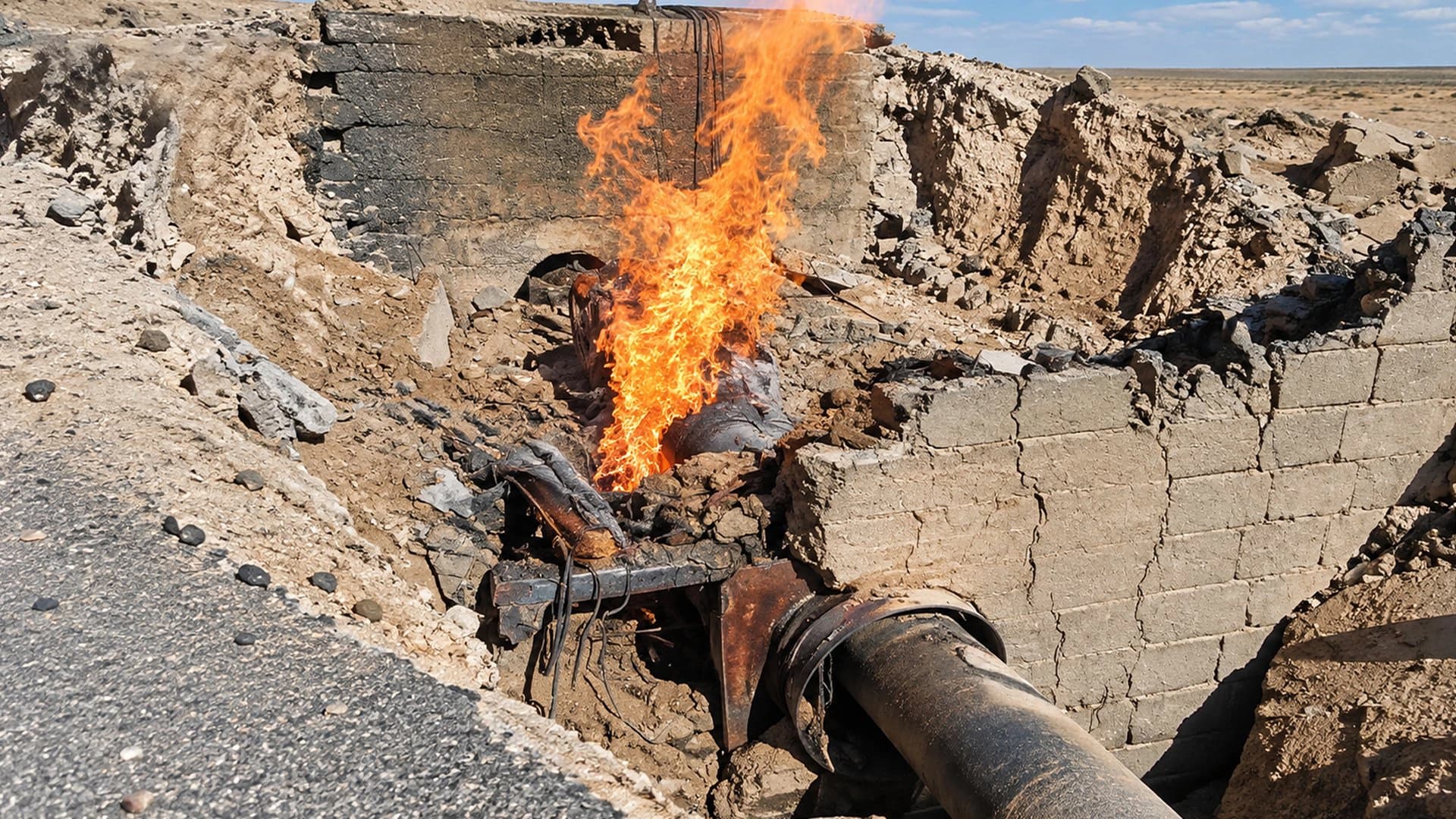
Saudi Arabia has recently seen an escalation in a series of attacks targeting vital infrastructure.
Attacks on the kingdom’s Arabia's Abha and King Khalid airports on Tuesday and Wednesday resulted in three deaths and 36 injuries, according to its Civil Aviation Authority, drawing sharp condemnation from Damascus on Thursday in a statement carried by state-run Syrian Arab News Agency (SANA).
The Houthis claimed responsibility for attacks on both airports, with military spokesperson Yahya Saree saying the group had used missiles and drones against Saudi targets.
Prior attacks include a drone intercepted over Mecca, Islam’s holiest city in mid-September as well as the seizure earlier that month of Bab al-Mandab, a vital waterway connecting the Red Sea with the Gulf of Aden, among the world’s most important maritime trade routes. Fighting around the waterway has further disrupted shipping already affected by the wider regional conflict involving Iran and the United States.
Yemen’s internationally recognized government launched the “Dawn of Yemen” military operation on Sunday, to retake the coast around the Bab al-Mandab Strait up to the city of Mocha, the government said, pushing the Iran-backed Houthis out of most of the areas they seized in September.
Saudi-led coalition spokesperson Major General Turki al-Malki said Monday that around 100 fighter jets were supporting the Yemeni government offensive and that hundreds of Houthi targets had been struck.
On Wednesday, the coalition announced its destruction of 82 Houthi military targets in Saada, Hodeidah, al-Jawf and Marib, including 11 ballistic missile storage facilities in Saada, command centers and weapons depots.
Al-Malki said attacks on civilians and civilian facilities “would not go unpunished.”
Saudi Arabia has also sought support from regional allies. On Monday, Turkey and Pakistan agreed to activate provisions of the Mecca Joint Defense Agreement, a mutual pact signed with Riyadh in August.
According to a joint statement published by Pakistan’s Foreign Ministry, the three countries agreed to take measures to provide military forces and capabilities and ensure their rapid deployment to Saudi Arabia under existing arrangements and national laws.
Reuters reported Wednesday that Turkey was providing primarily defensive and technical support to Riyadh.
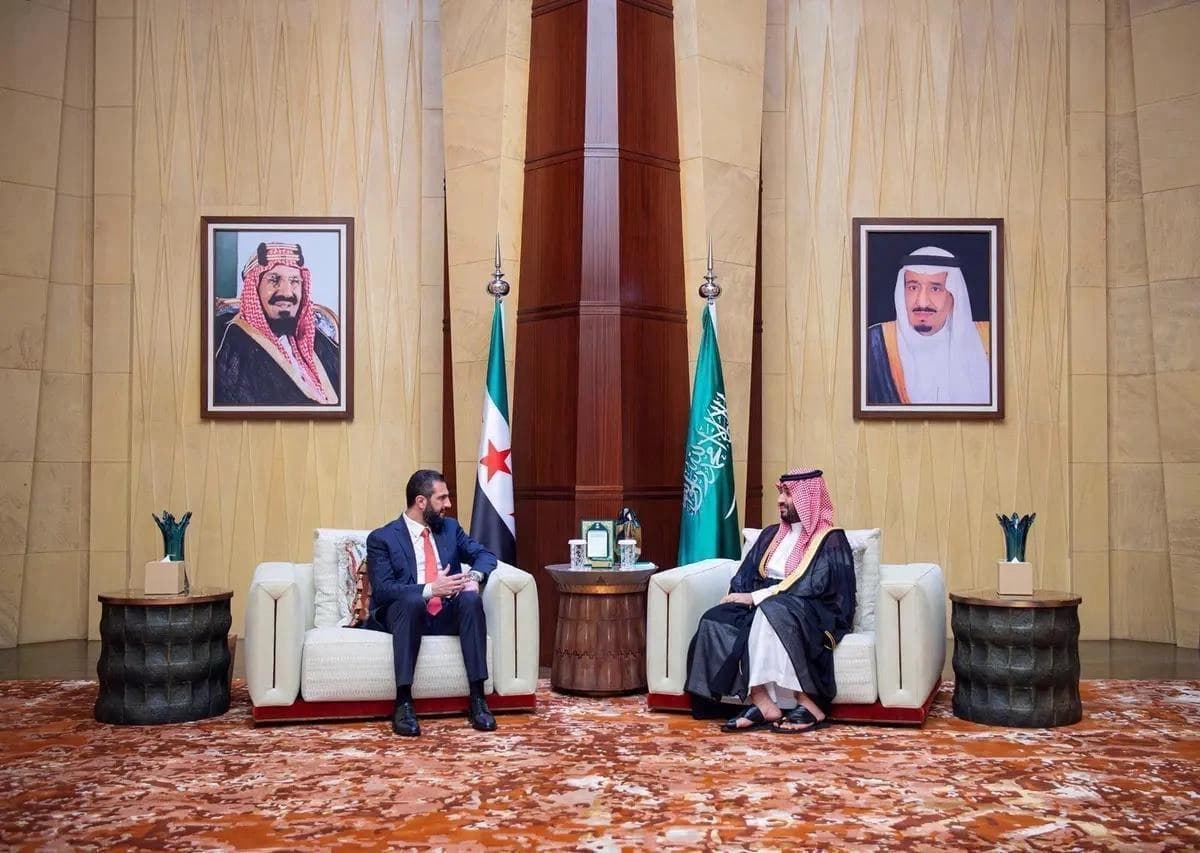
President Sharaa visited Riyadh on Tuesday and met Saudi Crown Prince Mohammed bin Salman to discuss bilateral cooperation and regional developments. According to the Syrian presidency, the talks focused on reconstruction, investment and economic cooperation.
Saudi Arabia has been a major supporter of Syria’s transitional government since the fall of Bashar al-Assad's regime, which was backed by Iran during the Syrian civil war.
The latest escalation in Yemen has exacerbated the country's humanitarian crisis. The International Organization for Migration said Wednesday that more than 200,000 people had been displaced since fighting intensified in September.
.png&w=3840&q=75)