


ERBIL, Kurdistan Region - The United States on Saturday expressed concern over escalating tensions between Kurds and Arabs in the northeastern Syrian city of Hasaka, urging all sides to refrain from violence and resolve their differences through dialogue.
"The United States is closely monitoring and concerned by reports of unrest in Hasakah and urges all parties to exercise restraint, reject violence and incitement, and resolve differences through peaceful dialogue," a US State Department spokesperson told Rudaw’s Diyar Kurda.
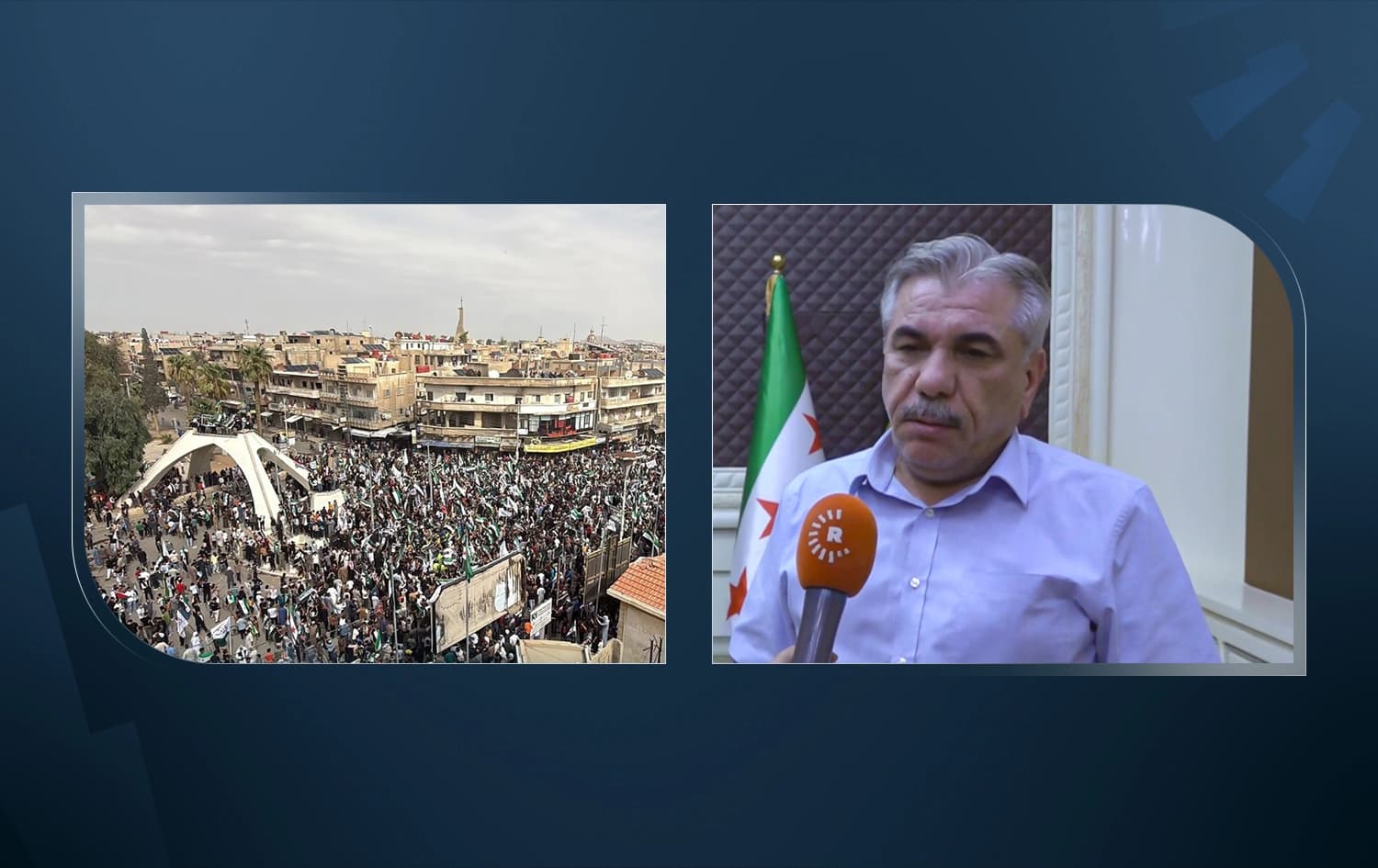
The remarks come after days of unrest in Hasaka, where pro-government Arab demonstrators have protested against Kurdish authorities and demanded the restoration of full government control over the city.
Tensions escalated after protesters targeted Kurdish symbols, including flags and an image of a woman's braid, which has recently emerged as a symbol of Kurdish resistance in northeast Syria (Rojava).
Kurdish residents subsequently staged counter-protests, leading to confrontations with state-affiliated security forces. Footage circulated by the UK-based Syrian Observatory for Human Rights (SOHR) showed security forces firing into the air to disperse demonstrators.
"The United States supports a unified, sovereign Syria in which Kurds and all other communities enjoy equal citizenship, security, and meaningful participation in governance," the State Department spokesperson said.
"We urge the Syrian government, which includes Kurdish leaders, and local authorities to uphold their commitments, address legitimate concerns, and take practical steps to rebuild trust."
Hasaka Governor Nour al-Din Ahmed on Friday blamed individuals and groups opposed to the integration agreement between the Kurdish-led Syrian Democratic Forces (SDF) and Damascus for fueling the unrest.
"Some figures and parties oppose the agreement [between the SDF and Damascus] and do not want it to be implemented. So they have sought to play with the emotions of the community by finding pretexts to mobilize the public," Ahmed told Rudaw.
The governor, a Kurd appointed by the SDF and approved by Damascus under the integration agreement, said authorities had met with Kurdish and Arab representatives to prevent further tensions.
The unrest comes despite progress in implementing a landmark January agreement between the SDF and Damascus to integrate the Kurdish-led administration's civilian and military institutions into the Syrian state.
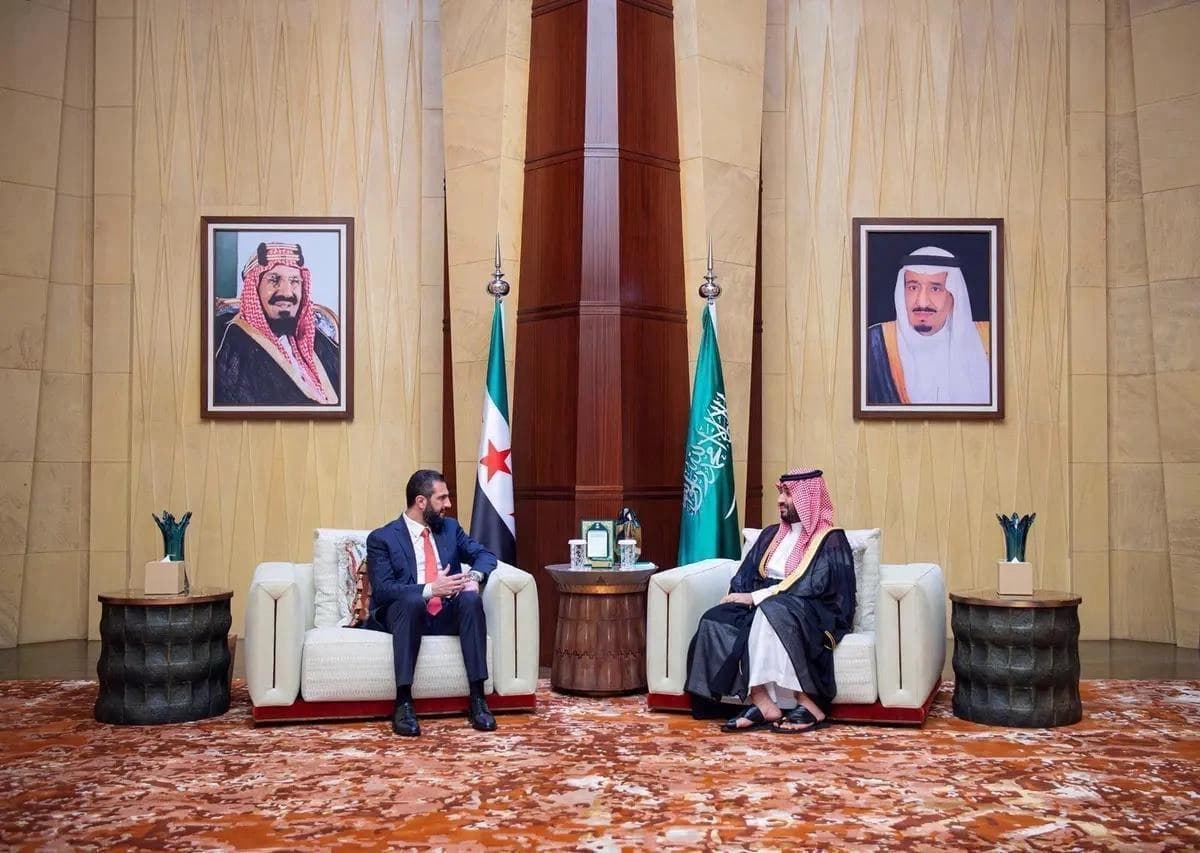
SDF chief Mazloum Abdi announced in August that his forces had completed their integration into the Syrian army. He was subsequently appointed a presidential envoy by Syrian interim President Ahmed al-Sharaa.
Speaking in Hasaka province on Friday, Abdi reaffirmed his commitment to the integration process and warned against attempts to sow discord among the region's communities.
.png&w=3840&q=75)