ERBIL, Kurdistan Region - UN High Commissioner for Human Rights Volker Turk has pledged to promote protections for ethnic minorities in Syria as part of efforts to strengthen the rule of law, following attacks on Kurdish families attempting to return to their homes in the country’s northeast.
Responding to a question by Rudaw's Namo Abdulla about the future of Kurds following the planned dissolution of the Kurdish-led Syrian Democratic Forces (SDF), Turk said he would visit Syria in the coming weeks and stressed the need to ensure that the country’s legal and justice systems serve all communities.
“For us, it's very important to do whatever we can, not only to support the authorities in building up transitional justice,” Turk said, adding that his office had witnessed “massive changes” since the end of 2024.
“Of course, that doesn't mean that there aren't issues,” he added, citing violence in Suwayda and along the Syrian coast in Latakia. However, he stopped short of addressing the recent attacks on displaced Kurdish families in northeast Syria (Rojava).
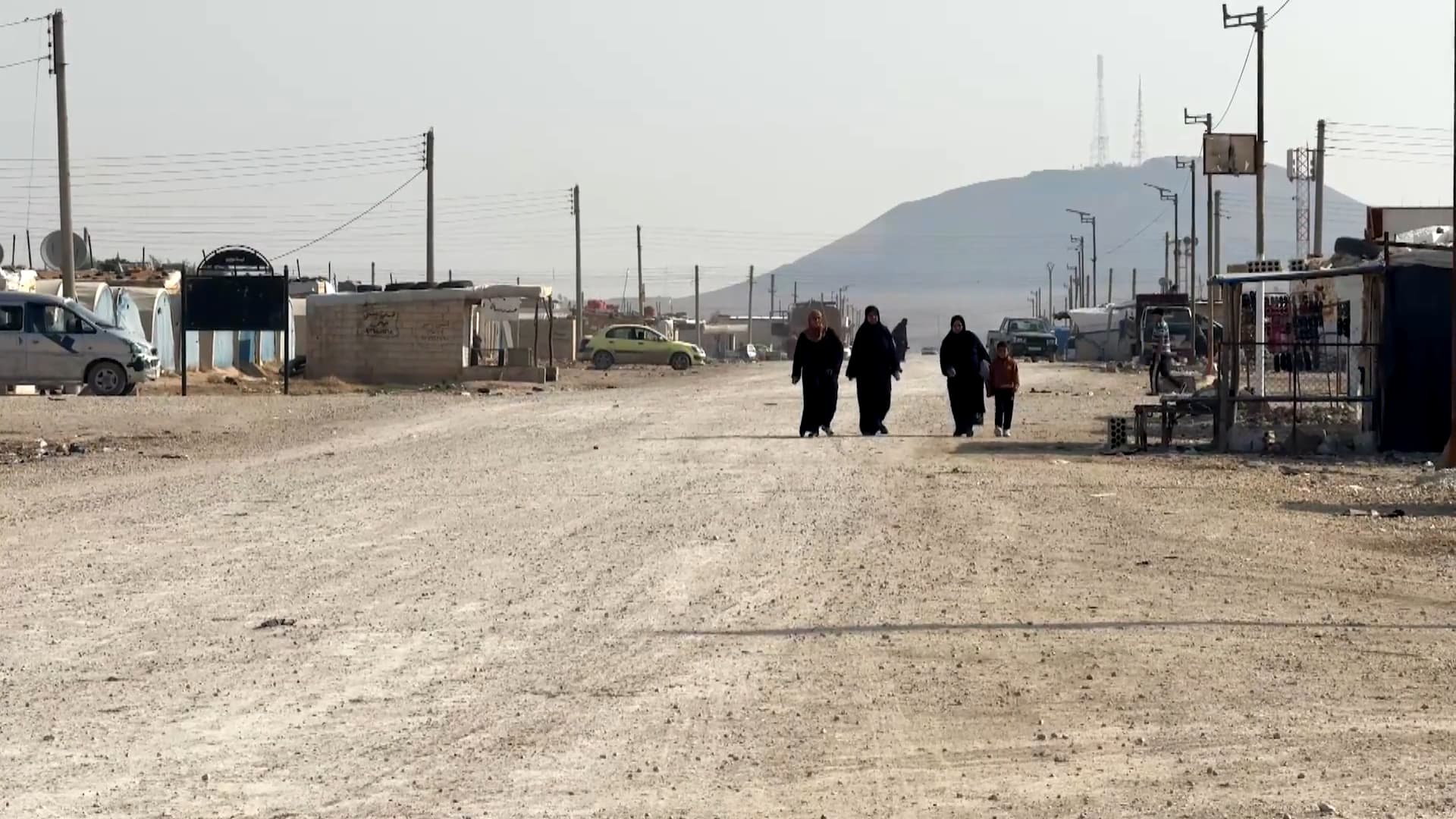
His remarks come amid mounting concerns over the safety of Kurdish residents displaced by Turkey’s 2019 military offensive in Rojava, particularly those attempting to reclaim their homes and properties in Gri Spi (Tel Abyad) and Sare Kani (Ras al-Ayn).
On Monday, Kurdish families returning to Gri Spi came under attack as crowds vandalized and set vehicles ablaze, leaving more than 100 families, including women and children, sheltering inside a local administration building for several hours.
The families had travelled to the town at the request of its director to present documents establishing ownership of their homes and properties after seven years of displacement, according to the Gri Spi Displaced Persons Committee.
Local residents told Rudaw that at least eight vehicles belonging to the returning families were set on fire. The UK-based Syrian Observatory for Human Rights reported that around 20 vehicles were damaged or burned and that gunfire was heard during the unrest. Rudaw could not independently verify the identities or affiliations of those responsible.
The attack has intensified fears among displaced Kurds seeking to return to areas that fell under Turkish control and that of Ankara-backed Syrian armed groups following the 2019 offensive.
The repercussions have also disrupted plans for the return of displaced families to Sare Kani, where a convoy of 800 families has been postponed indefinitely, the town’s Displaced Persons Committee announced on Wednesday.
The delay leaves families who have spent more than seven years in displacement camps facing continued hardship, with limited access to basic services and livelihood opportunities.
Awash Khato, a displaced woman from Sare Kani, told Rudaw that she could barely afford food while waiting to return home.
“I don’t even have the money to buy a loaf of bread. Nothing is left, we have nothing,” she said, adding that she had bought food on credit.
Khato said she had hoped to return to her home, where she could at least secure shelter and food, but armed men were occupying the property.
“How can people return like this? If the roads aren’t opened and we aren’t accompanied by our soldiers, how can we possibly go back? To be at the mercy of armed men?” she asked.
The Sare Kani Displaced Persons Committee told Rudaw that the postponement was due to regulatory and procedural measures rather than the security incidents that have alarmed displaced families.
Since the organized return program began in August, six convoys have facilitated the return of 3,181 families to Sare Kani and its surrounding countryside. However, property disputes, damaged infrastructure and security threats continue to obstruct the process.
Concerns over the future of Kurds in Syria come as Damascus and Kurdish authorities in Rojava seek to implement a January agreement that ended weeks of fighting and established a framework for integrating the region’s military and civilian institutions into Syrian state structures. The agreement was followed by the dissolution of the Kurdish-led Syrian Democratic Forces (SDF), the de facto military force in Rojava, in August.