
ERBIL, Kurdistan Region - Syrian and French officials discussed the return of Syrian refugees during a meeting in Paris, Syrian state media reported on Friday, as European governments step up efforts to repatriate Syrians following the overthrow of Bashar al-Assad in December 2024.
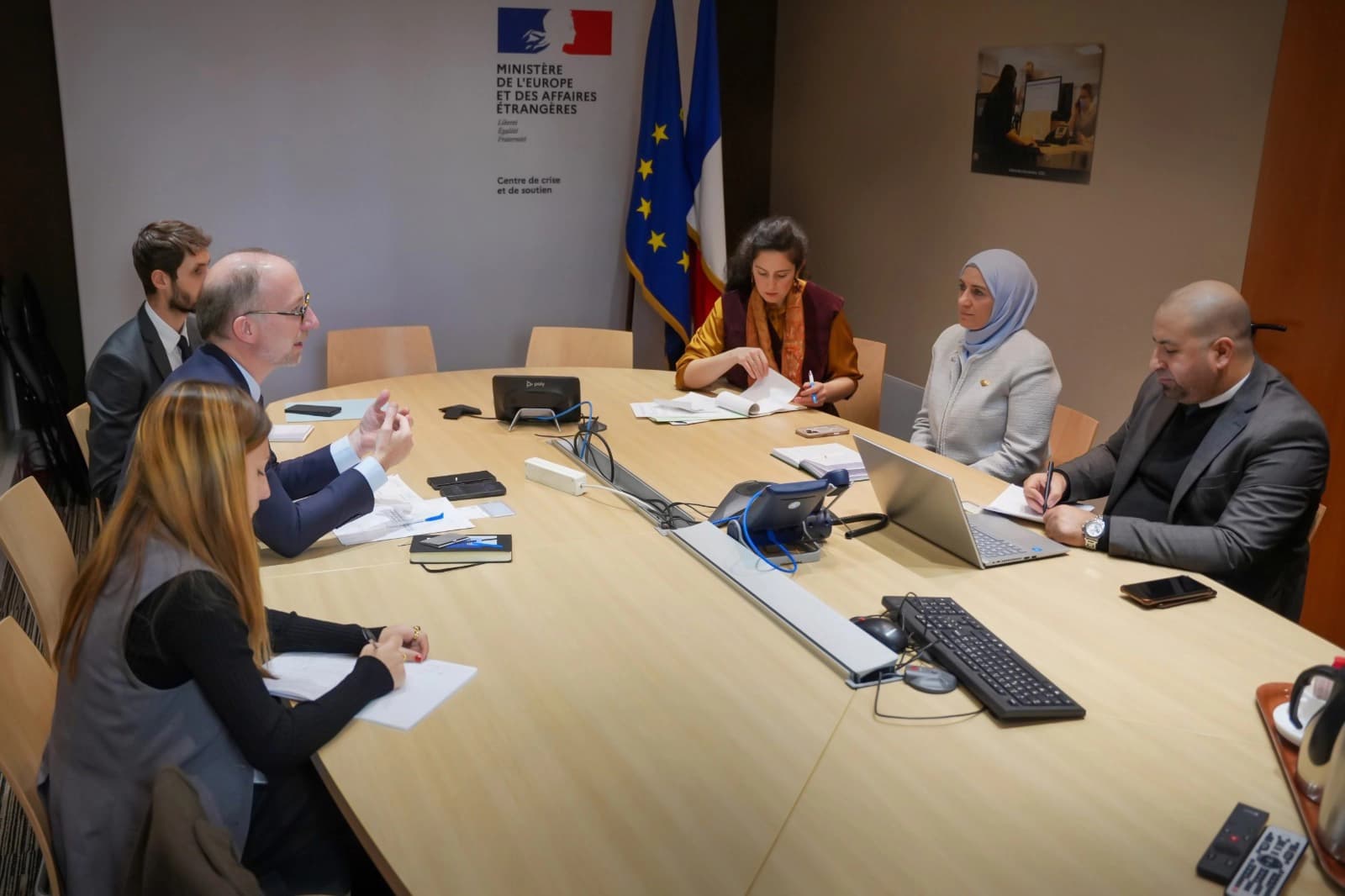
Nahla Othman, director of Expatriates and Refugee Affairs at Syria's foreign ministry, met with Yannick Tagand, deputy director of the French foreign ministry's Crisis and Support Centre, to discuss refugee affairs and cooperation between the two countries, according to the Syrian Arab News Agency (SANA).
The two sides stressed that the return of Syrian refugees should be voluntary and based on individual decisions, as Damascus seeks to facilitate the return of millions of citizens who fled the country's nearly 14-year civil war.
The meeting comes amid growing efforts by European countries, particularly Germany and Austria, to encourage Syrian refugees to return home following Assad's ouster.
Germany, which hosts one of the largest Syrian refugee populations in Europe, resumed a financial assistance program for voluntary returns in early 2025, offering to cover travel expenses and provide financial support to Syrians willing to leave.
According to German broadcaster Deutsche Welle, nearly 6,000 Syrians applied for government-assisted voluntary repatriation in 2025, with 3,678 returning under the program.
Austria has also pursued a more restrictive approach, becoming the first European Union country to deport a Syrian national directly to Damascus following Assad's overthrow. The deportation took place in July 2025.
Several European countries, including Germany, France, Austria and Denmark, initially suspended decisions on Syrian asylum applications following Assad's downfall, citing uncertainty over the country's political and security situation. Most subsequently resumed processing applications during 2025.
In September, Syrian and European Union officials discussed establishing a national framework for refugee returns during a meeting in Damascus, emphasizing the need to restore infrastructure, public services and livelihoods to ensure sustainable repatriation.
Despite the political transition, humanitarian organizations have warned that Syria remains fragile, with widespread destruction, insecurity and limited economic opportunities complicating the return of refugees.