
ERBIL, Kurdistan Region - Preparations are underway for the return of some members of the Kurdistan Workers' Party (PKK) who burned their weapons and a separate group from Europe to Turkey, the DEM Party co-chair said. Rudaw has learned that some residents of the Makhmour refugee camp in northern Iraq are also planning to return to Turkey, as the Kurdish peace process awaits a key decision expected next week.
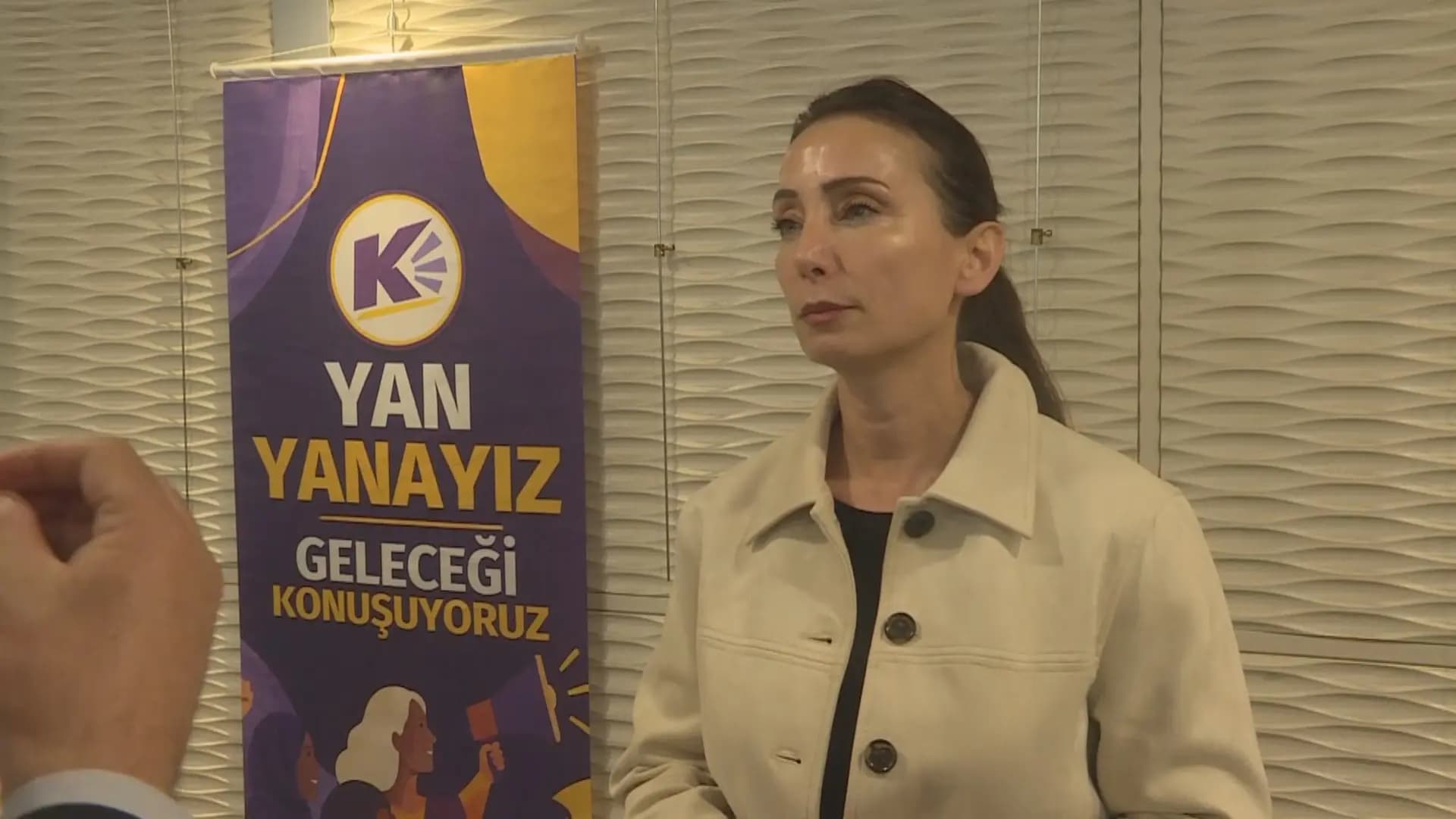
Speaking to Mezopotamya Agency, a Turkey-based pro-Kurdish media outlet, Tulay Hatimogullari said preparations were being made by the state and the PKK for the returns, adding that a group of 30 members who participated in a weapons-burning ceremony would be among those returning.
"A group will come to Turkey; preparations are being made for this," she said. “Similarly, preparations are being made for the return of a certain group from Europe.”
She stated that the applications of nearly 4,000 political prisoners would likewise “be made through their lawyers as soon as possible.”
Rudaw has also learned that some residents of the Makhmour refugee camp in northern Iraq are planning to return to Turkey, adding another Kurdish dimension to the expected returns. Further details about the plans were not immediately available.
Makhmour refugee camp is located within Nineveh Governorate, about 60 kilometers southwest of Erbil. The area is disputed between Baghdad and the Kurdistan Region and came under Iraqi control in 2017. The camp has been home to thousands of Kurds in southeastern Turkey were displaced in the 1990s due to fighting between the Turkish military and the Kurdistan Workers' Party (PKK), and the subsequent destruction, burning, and evacuation of villages and homes. The United Nations High Commissioner for Refugees (UNHCR) legally recognizes the Kurdish residents who fled southeastern Turkey in 1994 as refugees.
The anticipated returns come at a critical stage in Turkey's Kurdish peace process, which aims to end decades of conflict between Ankara and the PKK.
The implementation of a parliamentary framework law is currently awaiting a National Security Council (MGK) decision, which Hatimogullari said is necessary to move the process into its next phase.
"We are at a very sensitive and delicate point," she said, warning that further delays could prolong the process. "The MGK needs to make this decision urgently."
The process began in October 2024 with an initiative by Nationalist Movement Party (MHP) leader Devlet Bahceli and gained momentum after jailed PKK leader Abdullah Ocalan called on the group to disarm in February 2025.
The PKK announced its dissolution in May 2025, while Kurdish parties have stressed that lasting peace also requires democratic and cultural rights.
In July 2025, 30 PKK fighters, including senior commanders, symbolically burned their weapons at a ceremony near Jasana Cave in Dukan, Sulaimani province, in the first public disarmament step following jailed leader Abdullah Ocalan's call to end the armed struggle and dissolve the group.
Hatimogullari said the November 26 meeting was expected to address the verification of the process and the formal implementation of the framework law, which she said would remain in effect for six months after the council's decision.
She also pointed to the expectations of families of nearly 4,000 political prisoners in Turkey, saying applications for their cases would be submitted through lawyers once the necessary steps were taken.
"Families have expectations in this regard," she said, stressing that the returns and other planned activities needed to become concrete for the process to enter its second phase.
Hatimogullari said the PKK had taken significant steps, including withdrawing its forces from Turkey and positions near the border, adding that the group had fulfilled its commitments.
"One side took a step and kept its word. Now it is the state's and the government's turn to keep their promise," she said.
She urged Ankara to implement the framework law without further delays, saying the information needed to verify the PKK's withdrawal was already in the state's possession.
Hatimogullari also called for parliament to establish an active monitoring committee, saying it must “actively assume its role in facilitating peace.”
She added that the country needed democratic reforms to address the Kurdish issue and allow the process to move forward.
“Objective conditions are opening up a huge space for the struggle for democracy. We just need to push through these opened doors, strengthen ourselves, organize, and succeed together,” she said.