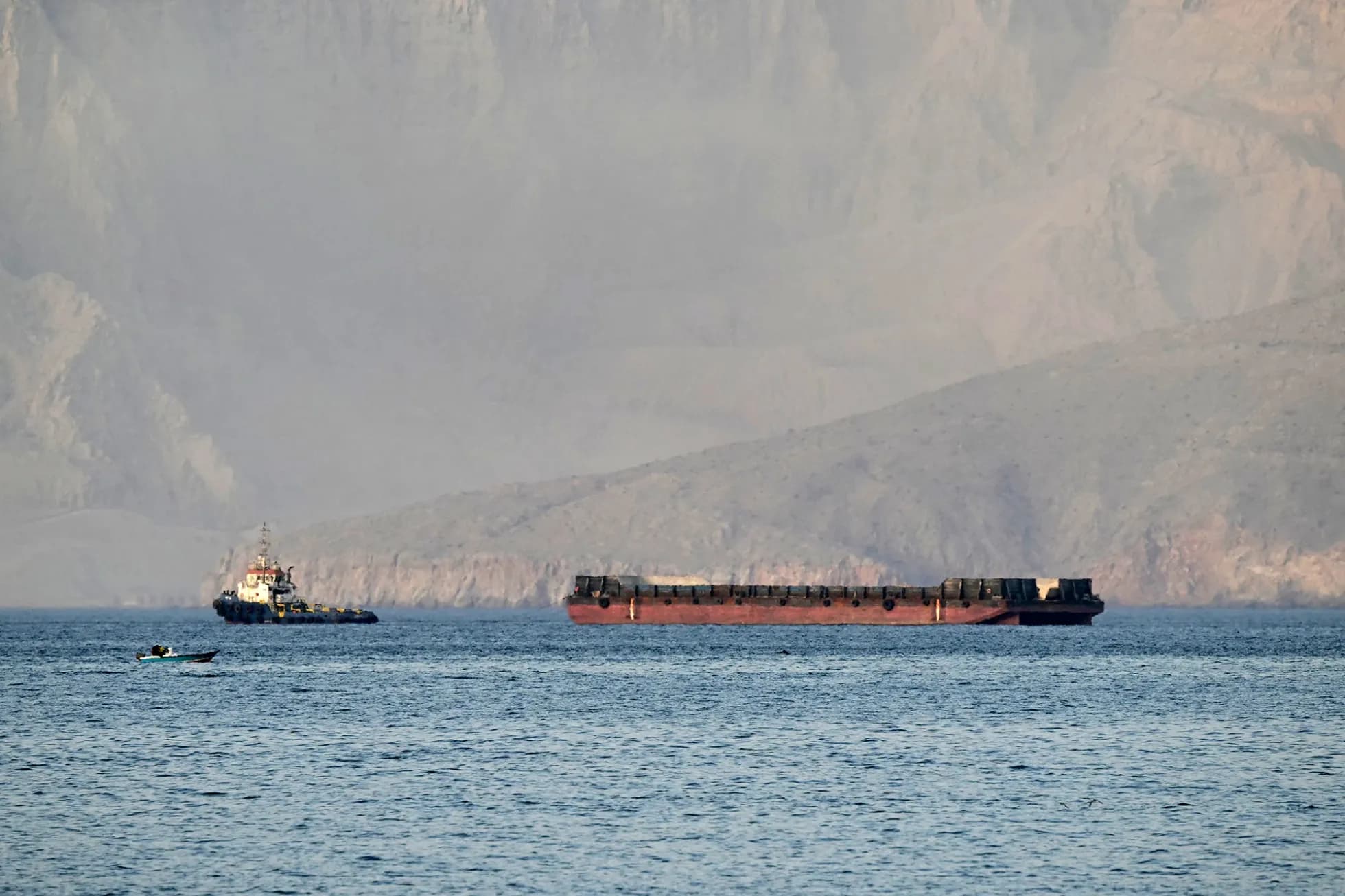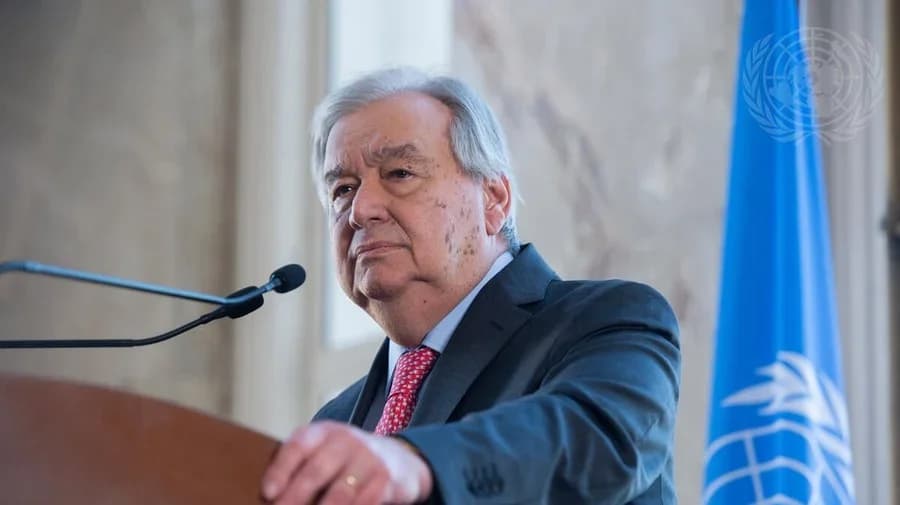

ERBIL, Kurdistan Region - Commercial shipping through the Strait of Hormuz has slowed to “a trickle” as cascading regional conflicts threaten the global food supply and push energy prices higher, UN Secretary-General Antonio Guterres warned on Monday.
Guterres stated that the “current conflicts,” including Russia-Ukraine war, are "choking arteries of global trade and squeezing the global food system especially hard,” pointing to “higher prices, deepening hunger, weaker harvests and greater suffering - especially for the world’s most vulnerable people.”
The Secretary-General warned that the global food supply has become “collateral damage” and stressed that “maritime chokepoints must never become instruments of coercion” such that the delivery of food, energy and essential goods must never be impeded.
Guterres pointed to global oil price shocks and higher prices, noting that the decline in traffic through the Strait of Hormuz - a narrow waterway through which roughly 20 percent of global oil supplies transited prior to the war in late February following the US and Israel’s military campaign against Iran - has spiked oil prices and container rates, which in turn affect the cost of food and fertilizer.
US and Iranian forces have been facilitating entry and escorting limited numbers of tankers through separate routes along the Strait, a move which Guterres said has not alleviated the increase of global food supply.
While the US imposed a naval blockade on Iranian ports in mid-July, Iran has planted mines, moved to impose transit fees and fired projectiles on passing vessels. As of Monday, US Central Command (CENTCOM) forces have redirected 71 commercial vessels, disabled three and boarded two to ensure compliance while more than 40 vessels supporting humanitarian aid have been allowed to pass, according to the most recent figures cited on X.
To help ease the bottleneck, Guterres highlighted a temporary task force launched by the UN in March to facilitate the “safe, orderly and predictable maritime transit for humanitarian purposes” through the Strait of Hormuz, initially targeting commercial fertilizers and related raw materials.
Led by UN Office for Project Services (UNOPS) chief Jorge Moreira da Silva, the temporary measure could potentially expand to cover other essential goods.
“This mechanism is not a substitute for fully restoring navigational rights and freedoms, or for the political solutions needed to end these conflicts,” Guterres said, “But it is a practical first step.”
Guterres stated the “unimpeded exercise of navigational rights and freedoms” as a cornerstone of peace, whose protection constitutes “a legal obligation and a humanitarian imperative.”
Though coastal nations retain territorial rights under international law, treaties such as the 1982 UN Convention on the Law of the Sea dictate that states cannot hamper transit passage - though key actors including the US, Iran and Israel have yet to ratify the agreement.