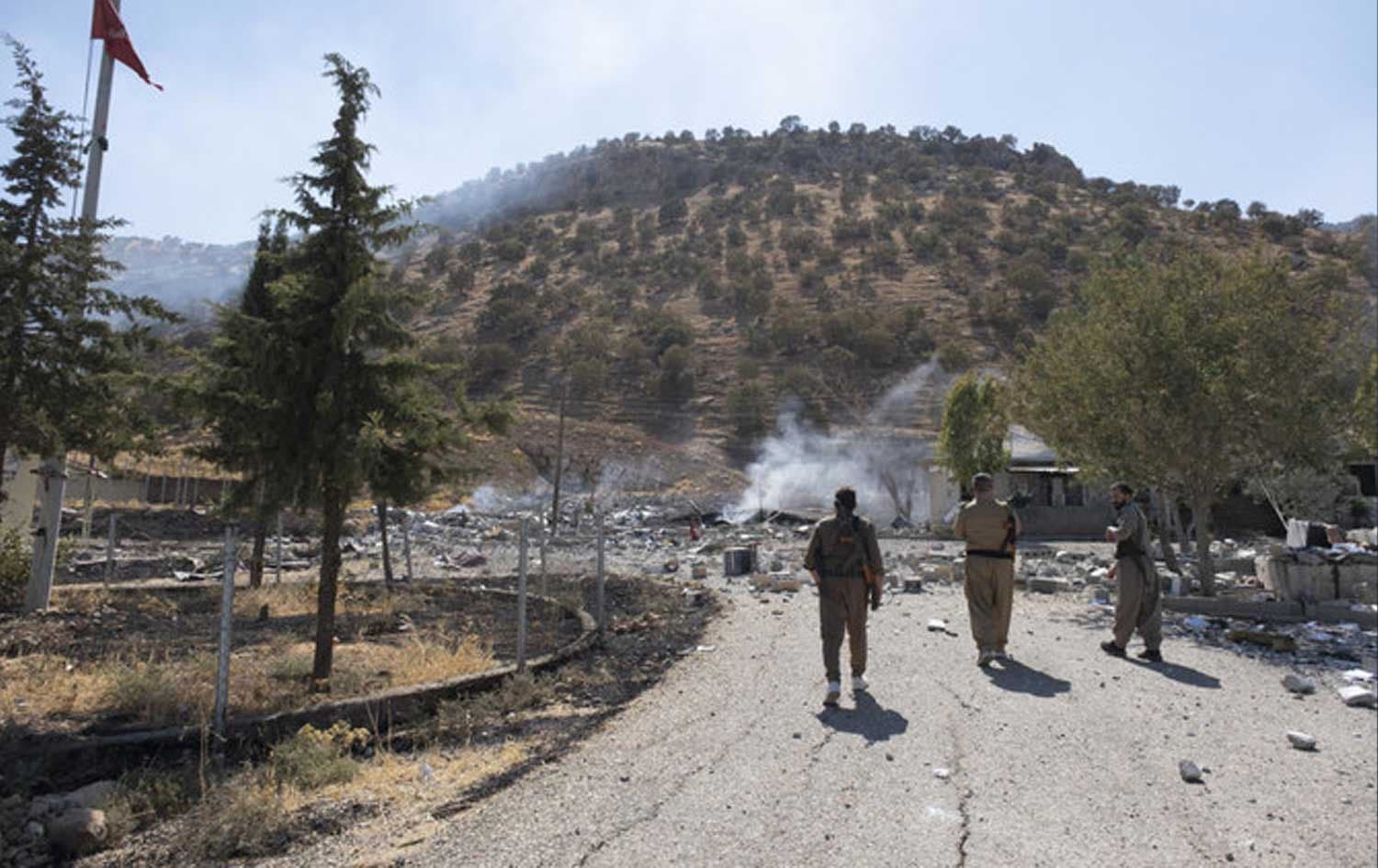

ERBIL, Kurdistan Region - Iran’s Islamic Revolutionary Guard Corps (IRGC) carried out a fresh drone strike on Kurdish opposition sites in the Kurdistan Region early Wednesday, as the United States and Iran appear to be getting close to an agreement to end tensions.
The strike came just hours after another attack on the opposition Komala's Sourdash camp in Sulaimani's Dukan district, where two drones caused material damage, but no casualties were reported.
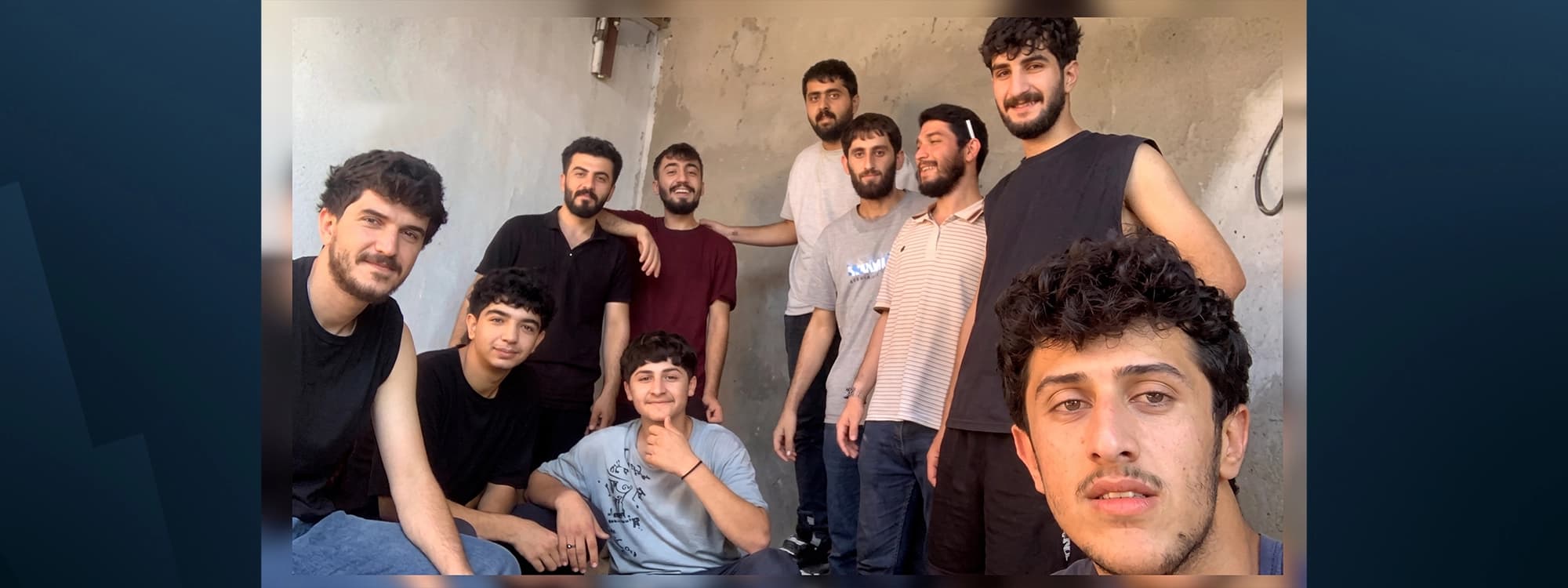
The Kurdistan Democratic Party of Iran (KDPI) said in a statement, “Iran’s terrorist IRGC" conducted drone strikes against the PDKI’s Girde Chal camp, near Erbil, early Wednesday, adding that "two drones hit the perimeter of the camp, which serves as a residence for the families of PDKI members.”
Iran’s targeting of opposition groups in the Kurdistan Region comes as the White House signals it is close to a one-page memorandum of understanding with Iran to end the war and launch further nuclear talks, according to the American website Axios.
According to the KDPI, the attacks are part of an ongoing escalation. “These attacks form part of a sustained military campaign by the Islamic Republic,” the statement said, alleging that Iranian forces have repeatedly targeted "non-combatant in character: civilian houses, clinics, and classrooms. They hold no military value.”
The attacks come despite a ceasefire announced on April 8 between Iran and the United States, mediated by Pakistan. While the truce reduced large-scale hostilities, lower-level attacks have persisted, particularly in the Kurdistan Region.
Since the outbreak of conflict in late February, hundreds of drones and missiles have struck the Region, with Kurdish authorities reporting more than 800 attacks between late February and April 20. Officials say at least 20 people have been killed and over 120 injured.
Kurdish authorities have repeatedly stressed that the Kurdistan Region is not a party to the conflict, while Iranian officials maintain that Kurdish opposition groups pose a security threat, a claim that has continued to fuel cross-border strikes.
However, the KDPI accused Tehran of deliberately targeting families of opposition members, saying such actions “reflect a policy of the Islamic Republic to project terror against the families of those who oppose its rule,” and described the strikes as violations of international law and Iraqi sovereignty.