
ERBIL, Kurdistan Region - Trade activity across the Kurdistan Region is returning to normal, with prices stabilizing following the announcement of a ceasefire between the US and Iran, trade officials said Thursday.
“All border crossings are open. Commercial and tourist traffic is normal at all official gateways of the Kurdistan Region and at both Erbil and Sulaimani international airports,” Nawzad Kamil, a senior official from the Kurdistan Regional Government’s (KRG) Trade Ministry, told Rudaw.
Following nearly six weeks of war between the US, Israel and Iran, Washington and Tehran on Wednesday reached a two-week ceasefire agreement that has eased trade restrictions. The announcement came shortly before a US deadline tied to reopening the Strait of Hormuz was due to expire.
During the conflict, public anxiety rose over potential shortages.
“There is no need for people to stockpile extra food at home, because the increase in the supply of goods will cause food and commodity prices to drop in the near future, and the market will rebalance,” Kamil said, adding that during the conflict, the ministry “had sufficient food supplies in our warehouses.”
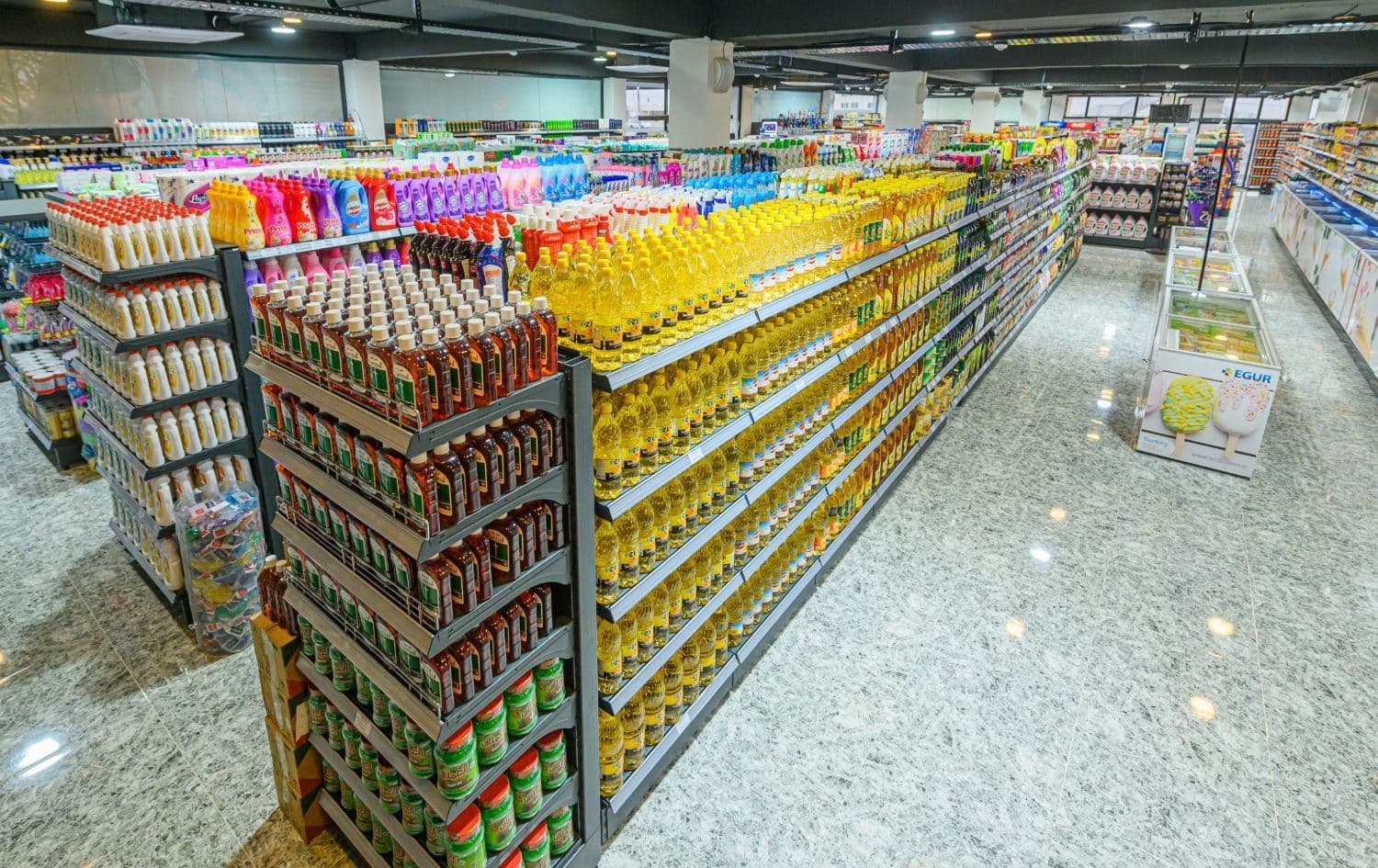
Despite this, he said that prices of some goods have “risen slightly,” such as rice and vegetable oil.
In wholesale markets, traders reported falling prices for most produce. Sarwar Ali, head of the Sulaimani wholesale market syndicate, said, “The prices of most products such as cucumbers, onions, eggplants, and potatoes have dropped.”
Rajab Haji Aziz, head of the Erbil wholesale market council, echoed the trend, stating, “Before the ceasefire, the prices of all products were rising daily," noting that prices have now returned to "normal.”
Despite improvements, the impact of the weeks-long conflict continues to affect market prices.
Mariwan Hamadamin, a shop owner in Erbil, said, “The goods currently being sold are those that arrived while the war was still ongoing, which is why prices for almost everything - such as rice, oil, dry and wet tissues, baby diapers, and vegetables - had generally become expensive.”
“We expect prices to normalize in the near future if the ceasefire continues,” he added.
Solin Hamadamin contributed to this article from Erbil, Kurdistan Region.