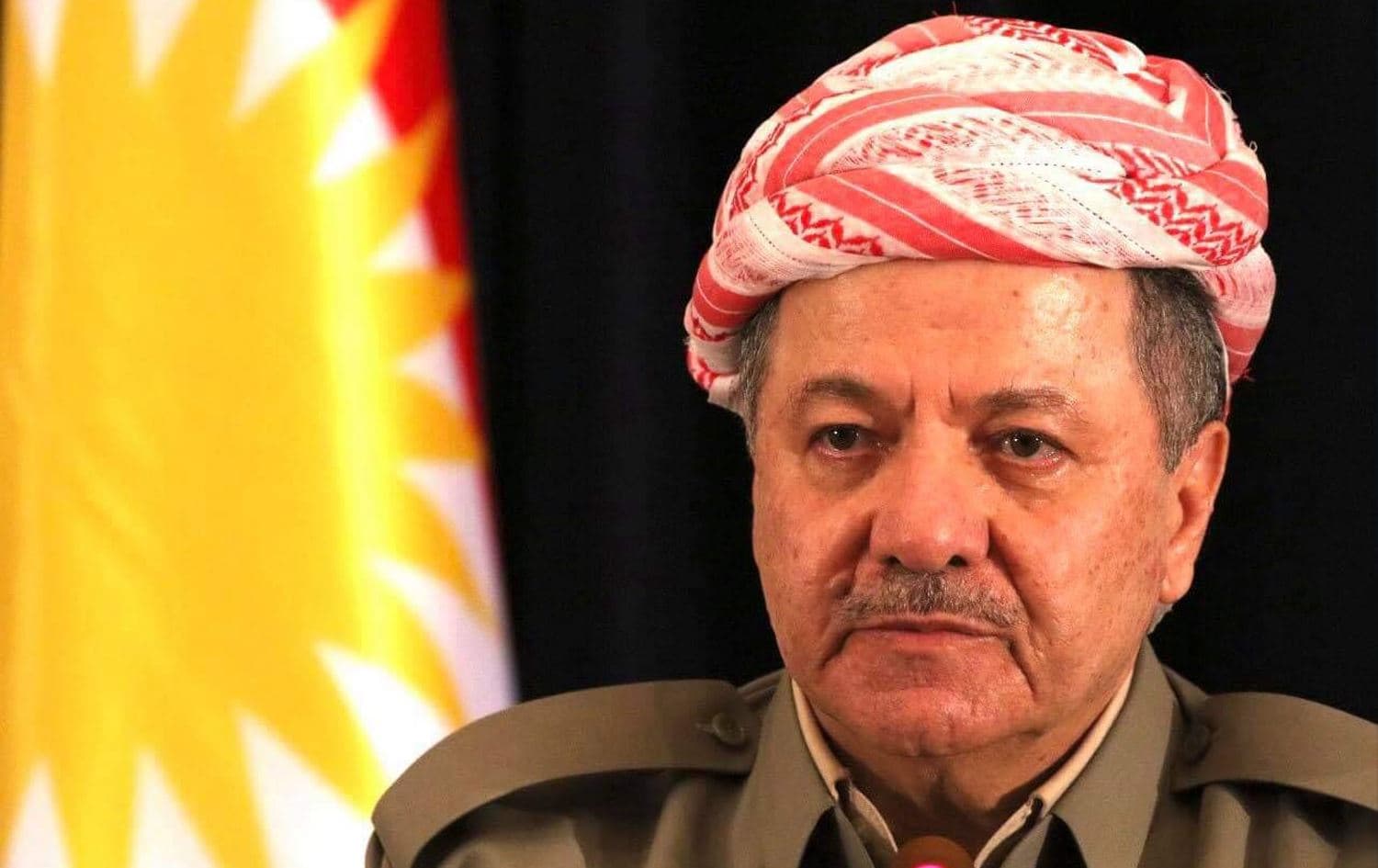

ERBIL, Kurdistan Region - President Masoud Barzani on Monday condemned acts of discrimination and harassment targeting Syrian Arabs in the Kurdistan Region, warning against collective blame following deadly violence in Aleppo’s Kurdish-majority neighborhoods.
Videos and photos circulating on social media in recent days showed signs posted by businesses and individuals in the Region stating they would not hire Syrian Arabs, would fire them, or refuse to serve them. Other posts included threats of violence against Syrian Arabs or Arabs more broadly.
“These types of attacks and behaviors are out of place and in no way conform to the principles and values of the people of Kurdistan, and are against the general policy and perspective of the Kurdistan Region's institutions,” President Barzani said in a message relayed by his office.
The backlash followed deadly clashes that erupted on Tuesday in Aleppo’s Kurdish-majority Ashrafiyeh and Sheikh Maqsood neighborhoods after the Syrian Arab Army and its affiliated armed factions seized the areas from the Kurdish Internal Security Forces (Asayish).
The UK-based Syrian Observatory for Human Rights (SOHR) reported on Sunday that at least 82 people were killed, including 43 civilians, 38 government-aligned fighters, and at least one Asayish member.
An estimated 150,000 residents have fled Aleppo’s Kurdish quarters, according to the Erbil-based Barzani Charity Foundation (BCF), which spoke to Rudaw on Saturday, raising concerns over possible ethnic cleansing.
An internationally mediated ceasefire came into effect on Sunday. Despite this, several videos emerged online showing armed militants affiliated with Damascus rounding up, arresting, and verbally abusing dozens of Kurdish civilians.
Social media users have also shared images and videos of relatives they say have gone missing since the Aleppo violence broke out, alongside claims of abuse and mistreatment of Kurdish residents, including children.
“Nonetheless, the blame for crimes committed by some people should not be placed on the shoulders of other people who had nothing to do with the crime,” the prominent Kurdish leader asserted.
He further noted that Syrian Arab refugees and residents in the Region “must be respected,” adding that “this inappropriate attack must be stopped, and relevant parties must prevent the recurrence of such behaviors.”