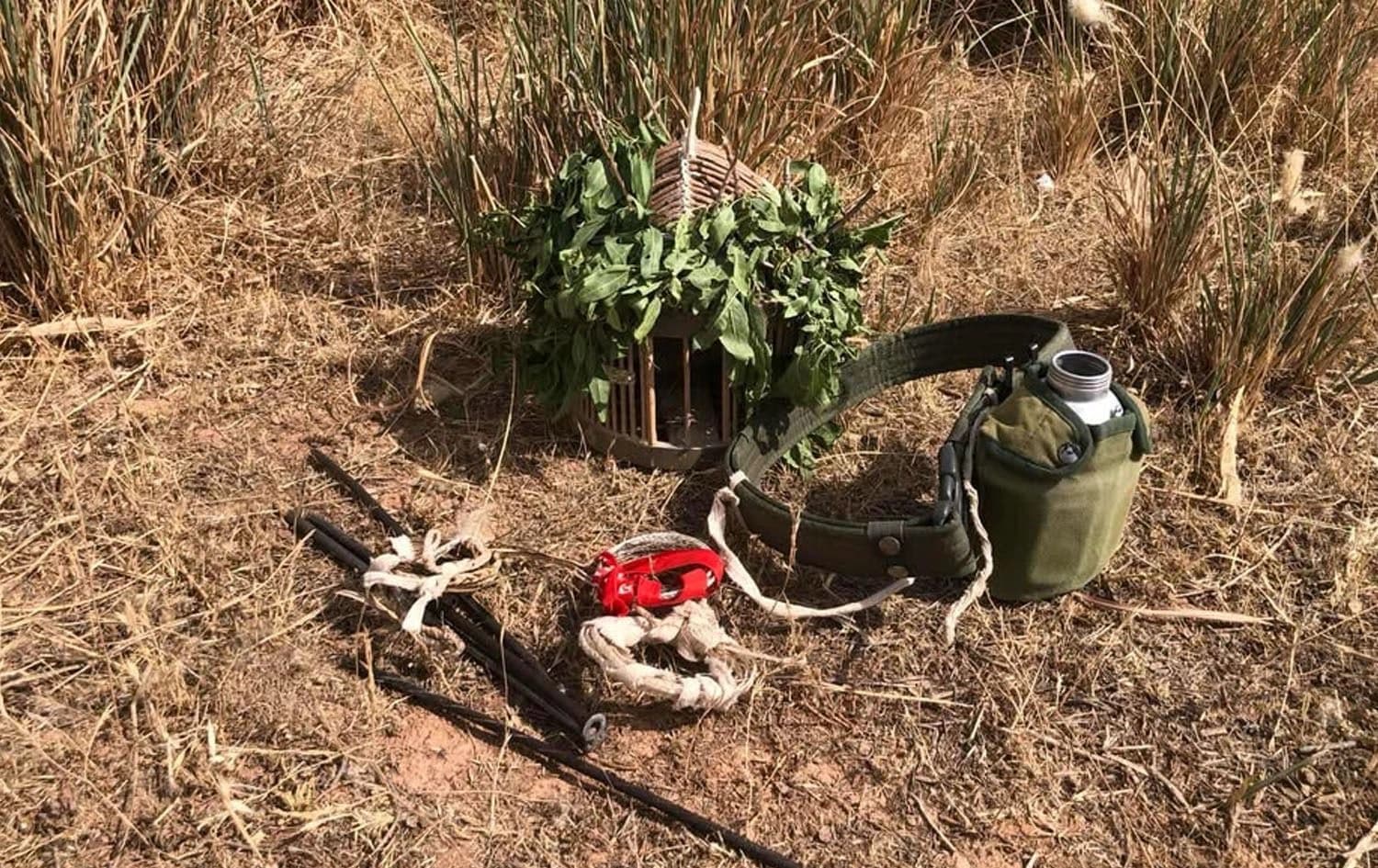

ERBIL, Kurdistan Region - Despite annual arrests topping 1,000, poaching remains a persistent problem across the Kurdistan Region, according to the spokesperson for the Forest and Environmental Police.
“More than a thousand poachers are arrested annually. There have been years when arrests reached two thousand poachers,” Fuad Zrari, spokesperson for the Forest and Environmental Police of the Kurdistan Region, told Rudaw on Saturday.
The environmental police work out of 66 bases trying to prevent illegal hunting, trapping and poaching. The Kurdistan Region is home to a variety of wild animals including gazelles, leopards, deer, bear, boar, and many species of birds. Zrari said deer are one of the animals most popularly hunted.
“The most deer and mountain animals are in the plains of Erbil and the borders of Garmian and the peaks of Bamo [in Sulaimani province], which is why the most hunting occurs in those areas,” Zrari said.
“There are also poachers and hunting in Halabja, but it's less than in Erbil and Garmian. The fewest poachers are arrested in Sulaimani and Duhok,” he said.
Fines for poaching vary significantly based on the animal. Minimum penalties start at 40,000 dinars, but for critically endangered birds the fine can skyrocket to 12 million dinars. Hunting certain types of deer in the Kurdistan Region carries an even steeper penalty of 25 million dinars.
According to Zrari, offenders often get off with lenient sentences.
Between 2008 and 2010, the Kurdistan Regional Government (KRG) introduced environmental protection laws, including banning hunting, to preserve the region's wildlife and nature.
Illegal hunting exacerbates existing environmental pressures in the Kurdistan Region, such as deforestation, habitat loss, and the impacts of climate change like drought. Wildlife trafficking, where animals are caught for sale as pets, for fur, or for food, also contributes to the problem.