
“The imported Arabs of the Daquq area are trying to occupy the lands of the villages Yangijay Talaban, Abdullah Khanim, and Aannana,” said Arshad Sabah, resident of Yangijay Talaban.
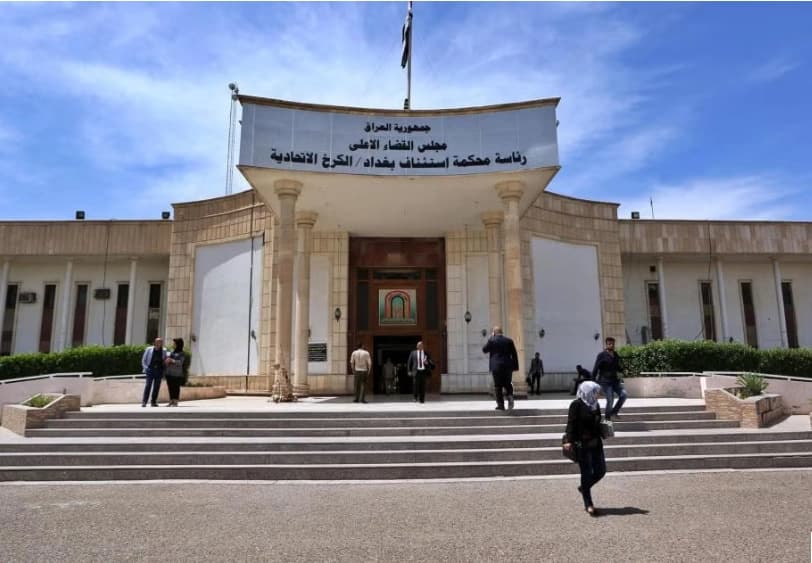
The three villages belong administratively to Daquq, a disputed district of Kirkuk. The Arab settlers have the backing of the federal police and are using the courts to threaten locals to leave their homes.
“All those who demand the lands from us have already been compensated according to Article 140. That is why we are calling on the Kurdish officials to come to our aid and not let our land be occupied and for us to become refugees,” added Sabah.
Consecutive Iraqi governments had long engaged in the demographic change in oil-rich Kirkuk. It began the late 1950s, during the Iraqi monarchy which cut off Erbil and Chamchamal from Kirkuk administratively, thereby diminishing its Kurdish population.
When Saddam Hussein rose to power in the late 1960s and 70s, the Baath Party accelerated the policy and implemented forced displacement. Hundreds of thousands of Kurds were forcibly displaced from their lands, settled elsewhere, and their lands were given to Arabs from central and southern Iraq.
About 10 years ago, in an attempt to return Kirkuk’s demographics to reflect its historical make-up, thousands of non-native Arab settlers were paid to return to their areas outside of Kirkuk. Evicted Kurds whose homes had been destroyed were compensated and returned.
However the Arabization process recently has renewed under the hands of the acting Governor Rakan Saeed Al-Jabouri, a Sunni Arab who was appointed by Iraqi Prime Minister Haider al-Abadi following October 16, 2017.
The head of Kirkuk’s office of Article 140 that addresses the status of the disputed territories in the Iraqi constitution says that the only way forward is for parties to pressure Baghdad.
“We can do nothing more than show our opposition. We are waiting for the negotiating Kurdistani delegation in Baghdad to create pressure for the implementation of Article 140. It currently is the only solution,” said Kakarash Sidiq, the head of Kirkuk’s office of implementation of Article 140.
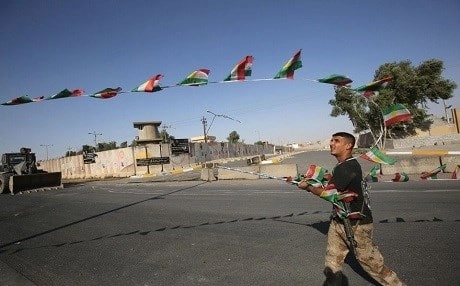
Kurds in Kirkuk and some political parties have called on the two largest parties from the Kurdistan region, the Kurdistan Democratic Party (KDP) and the Patriotic Union of Kurdistan (PUK), to come to an agreement and install a Kurdish governor to reverse the policies of the current acting governor.
However, the KDP and PUK aren’t on good terms. The KDP is unwilling to give the post back to the PUK. The PUK is reportedly trying to make concessions to Arabs and Turkmen in return for the position.
Kirkuk is a diverse area, inhabited by Kurds, Arabs, Turkmen, and Assyrians. Daquq, south of Kirkuk city, is historically home to Kakai Kurds who have been killed, kidnapped, and robbed by ISIS remnants in the area. A prominent Kakai, Farhad Agha, was kidnapped in Daquq in June.