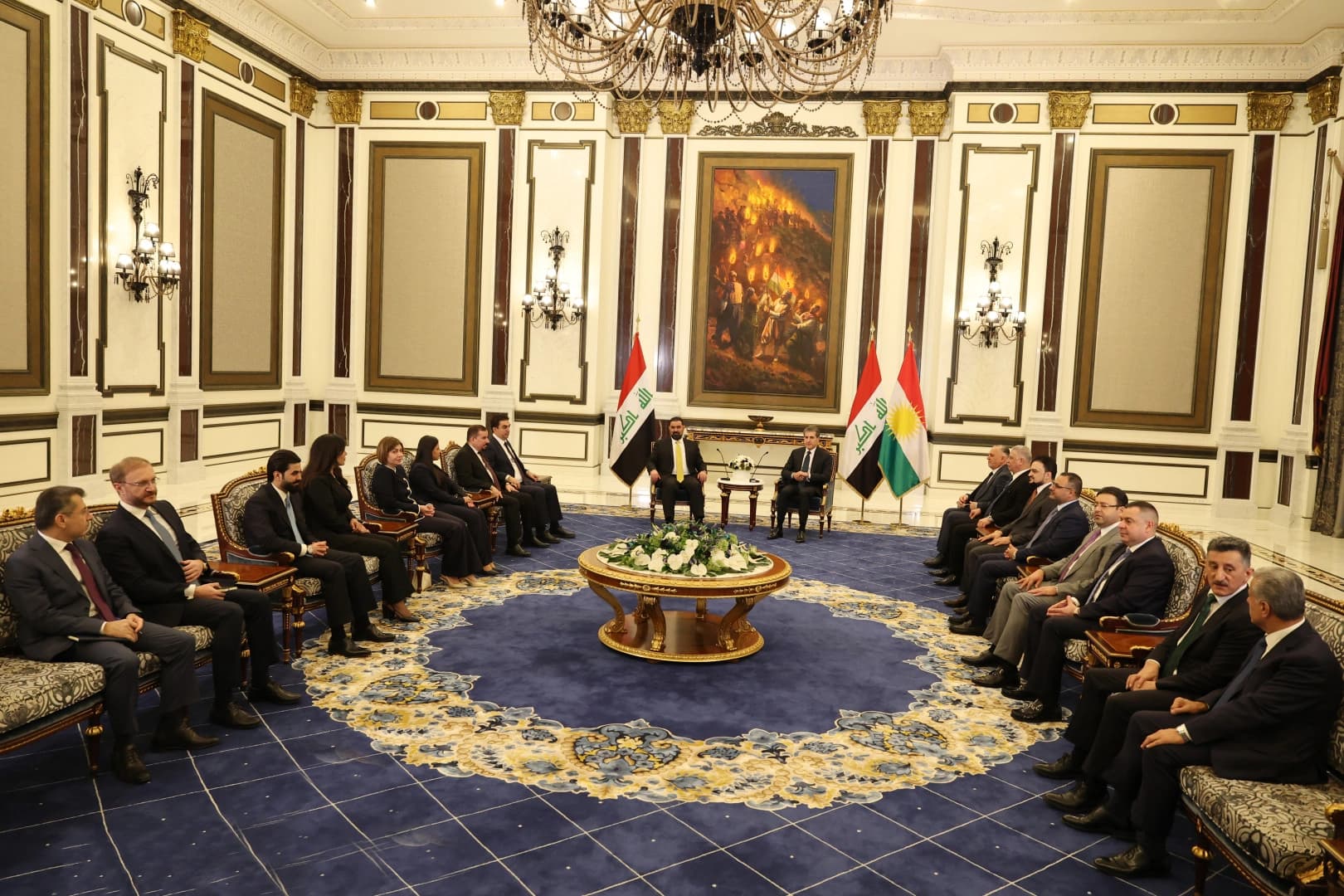
ERBIL, Kurdistan Region - French President Emmanuel Macron on Saturday “strongly condemned” a drone attack on Kurdistan Region President Nechirvan Barzani’s residence in Duhok during a phone call with the Kurdish president, according to a statement from the Kurdistan Region Presidency, as Iraqi and Kurdish leaders called for accountability.
“President Macron strongly condemned the drone attack that was carried out today on President Nechirvan Barzani's house in Duhok, and also reiterated his country's continued support for the Kurdistan Region and Iraq,” read a statement from the Kurdistan Region Presidency.
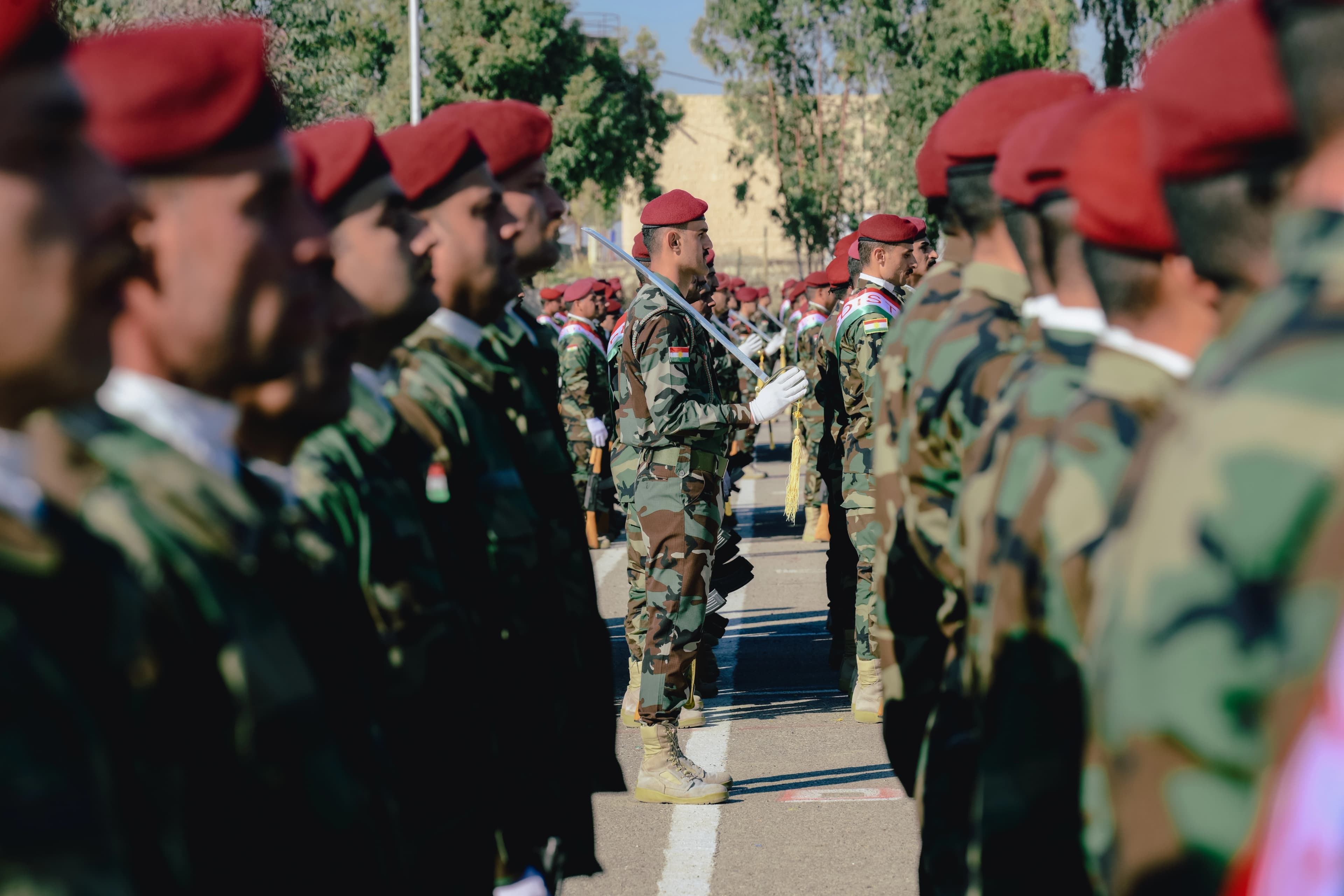
The attack came as the Kurdistan Region was targeted by more than half a dozen drone strikes on Saturday, nearly a week after a ballistic missile attack launched by Iran killed six Peshmerga fighters and wounded 30 others in Erbil’s Soran district.
“President Macron reiterated his country’s support for the Kurdistan Region and Iraq, and offered condolences for the tragic loss of Peshmerga lives in an Iranian missile attack in Erbil’s Soran district,” the statement added.
For his part, President Barzani expressed gratitude to Macron for the call and “France's continued support and international stance for Iraq and the Kurdistan Region.”
Both sides also discussed the latest regional escalations, stressing the importance of ending the war through diplomatic means.
The Kurdistan Democratic Party (KDP) parliamentary bloc in Baghdad also “strongly” condemned the “cowardly” attack, saying it aimed to “undermine the security and stability of the Kurdistan Region.” President Barzani is the party's deputy leader.
“We reaffirm that such futile attempts will not weaken the resolve of the people of Kurdistan to safeguard their constitutional status. We call upon the relevant authorities to act swiftly to identify the perpetrators of these crimes and bring them to justice,” the party said.
The Iraqi Sunni Azm Alliance also condemned the attack, saying it “considers this a serious transgression that threatens the country’s security and stability and undermines efforts to de-escalate tensions and maintain internal peace.”
Khamis al-Khanjar, a senior Sunni Iraqi leader, condemned “in the strongest terms the terrorist attack” and said it “once again reveals the extent of the threat posed by non-state actors to the country's institutions and symbols."
Khanjar hailed President Nechirvan Barzani as being "a voice for dialogue, a bridge for political rapprochement between Baghdad and Erbil, and a key figure in consolidating the concepts of national unity and coexistence."
Osama al-Nujaifi, a senior Iraqi Sunni leader and head of the Salvation and Development Front, condemned “the brutal attack” and called for “the perpetrators to be pursued and punished” in a post on X.
Second Deputy Parliament Speaker Farhad Atrushi also condemned the attack, saying the targeting of President Barzani’s residence and Peshmerga bases “will not go unpunished,” describing it as “a criminal act unacceptable by all standards and a blatant violation of the country's security and stability.”
Iraqi Prime Minister Mohammed Shia’ al-Sudani was among the first to condemn “the brutal attack” and ordered the formation of “a joint security and technical team from the relevant security agencies in the federal government and the regional government to investigate the incident, identify the perpetrators, and take all necessary legal measures against them,” according to his office.
Kurdistan Region Deputy Prime Minister Qubad Talabani also “strongly condemned” the targeting of President Barzani’s residence, calling it “a dangerous escalation,” and warned that outlawed armed groups have become “a source of threat” to the security of Iraq and the Kurdistan Region.
The Kurdistan Region has for weeks been caught in the crosshairs of the Iran-Israel-US conflict, with Iraqi pro-Iran armed groups aligned with the Tehran-led “Axis of Resistance” carrying out more than 460 strikes on alleged American targets in the Region since the onset of the conflict on February 28, according to Rudaw tracking.
The assaults have continued despite repeated assurances from Kurdish leaders that the Region is not a party to the conflict and will not allow its territory to be used as a launchpad for attacks against neighboring countries, including Iran.
Iraqi Foreign Minister Fuad Hussein told Rudaw on Sunday that Baghdad has been unable to curb pro-Iran armed groups, citing their military and political influence. “They also have power; they have military power, organizational power, and parliamentary power,” he said.