کوردیKURDÎENGLISHTÜRKÇEعربي
Rudaw Logo
Live
Kurdistan
Middle East
OpinionsAnalysisWorldECONOMYInterviewCultureMultimedia
Live
Rudaw

Download the Rudaw app

App StoreGoogle Play
Privacy Policy•Terms of Use

© 2026 All rights reserved.

Rudaw

Download the Rudaw app

App StoreGoogle Play
Privacy PolicyTerms of Use

© 2026 All rights reserved.

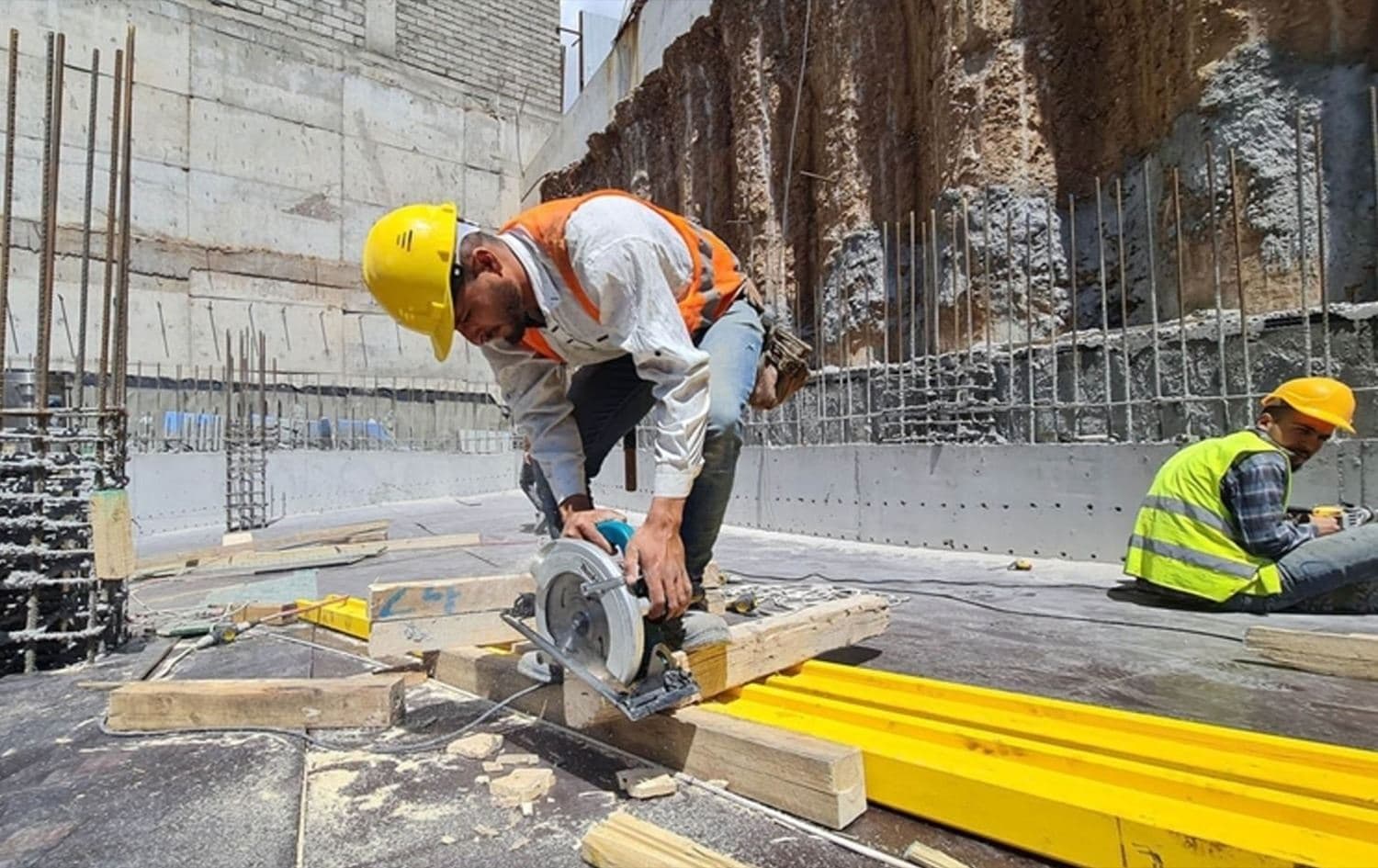
A worker at a working site in Erbil. Photo: Rudaw

A worker at a working site in Erbil. Photo: Rudaw

Kurdistan

18 construction workers die in Kurdistan in first four months of 2026: Official

RUDAW English

RUDAW English

30-04-2026
Listen
0:00
0:00
Text Size
RUDAW English
RUDAW English30-04-2026

Related Articles

Germany pledges continued support for Kurdistan, Iraq despite troop withdrawal
Kurdistan18-11-2026

Germany pledges continued support for Kurdistan, Iraq despite troop withdrawal

Iran strikes PJAK positions with drone in Sulaimani province
Kurdistan17-11-2026

Iran strikes PJAK positions with drone in Sulaimani province

Sulaimani separate status requires popular vote, not party decisions: Coordination Framework official
Kurdistan17-11-2026

Sulaimani separate status requires popular vote, not party decisions: Coordination Framework official

ERBIL, Kurdistan Region - At least 18 construction workers have died in the Kurdistan Region in the first four months of 2026 due to unsafe working conditions, a senior member of Kurdistan Workers’ Syndicate said on Thursday.

Ten of the workers died in Sulaimani, five in Duhok, two in Erbil, and one in Halabja province, Abdulqadir Nawprdani, a member of the syndicate’s executive office, told Rudaw.

He attributed the fatalities to employers’ failure to provide adequate safety equipment and maintaining safe working environments.

Nawprdani added that workers themselves do not always adhere to safety procedures.

In the past decade, 431 workers have died in workplace incidents across the Kurdistan Region, according to the official.

Workplace safety has long been a concern in both the Kurdistan Region and federal Iraq, where laborers frequently face hazardous conditions, particularly in the construction sector. Many employers do not formalize contracts with workers, allowing them to bypass obligations related to safety measures and compensation. As a result, injured workers often lose their only source of income without receiving adequate support.

Weak enforcement of labor regulations has further exacerbated the issue, leaving many workers without protective gear, insurance, or proper training.

Under Iraq’s Labor Code of 1987 (Act No. 71), employers are required to ensure safe working conditions and implement measures to protect workers on the job, but enforcement remains inconsistent.

The figures come ahead of Labour Day on May 1, when many laborers in the Kurdistan Region continue to work despite the public holiday.
Related Articles

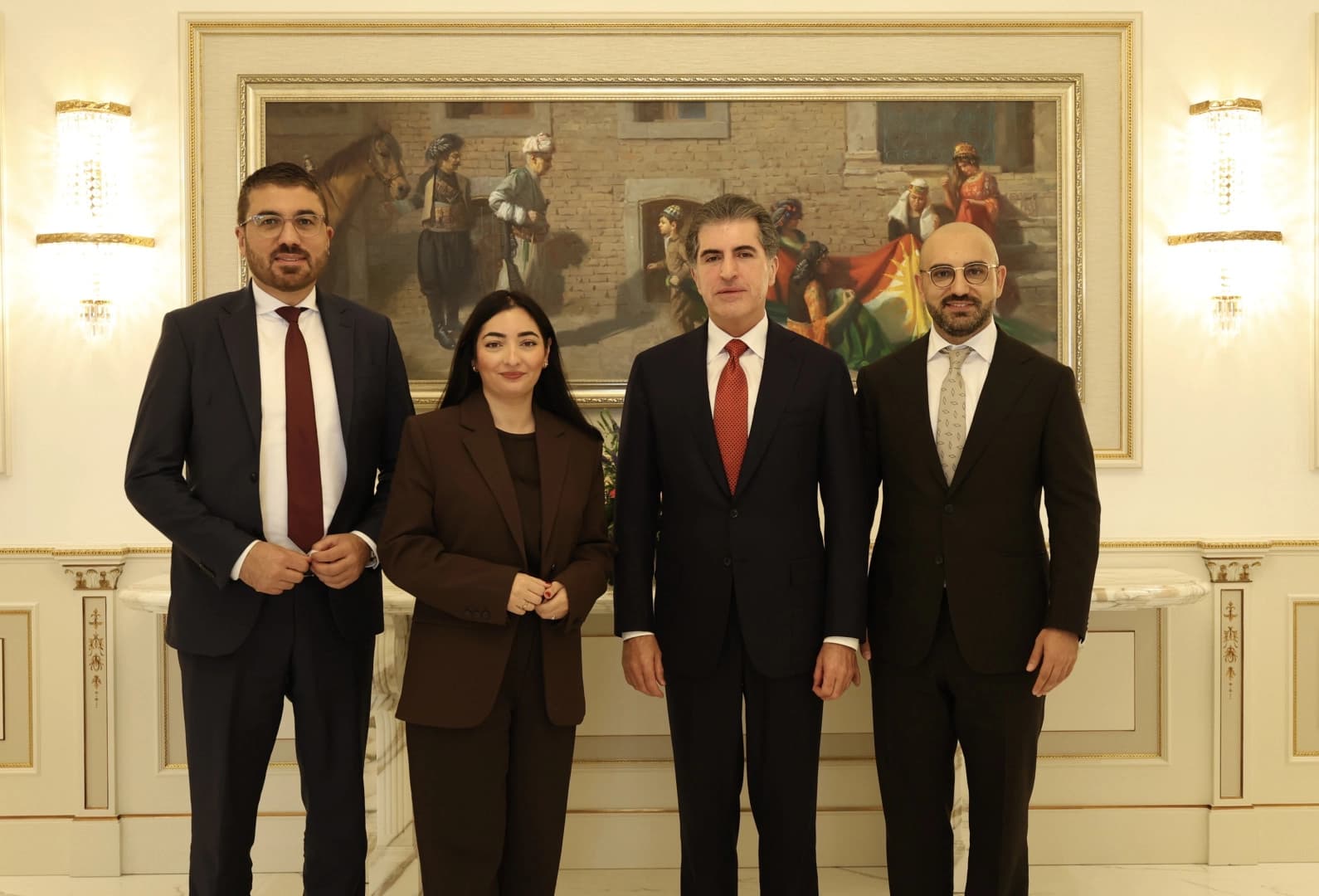
Germany pledges continued support for Kurdistan, Iraq despite troop withdrawal
Kurdistan18-11-2026

Germany pledges continued support for Kurdistan, Iraq despite troop withdrawal

Iran strikes PJAK positions with drone in Sulaimani province
Kurdistan17-11-2026

Iran strikes PJAK positions with drone in Sulaimani province

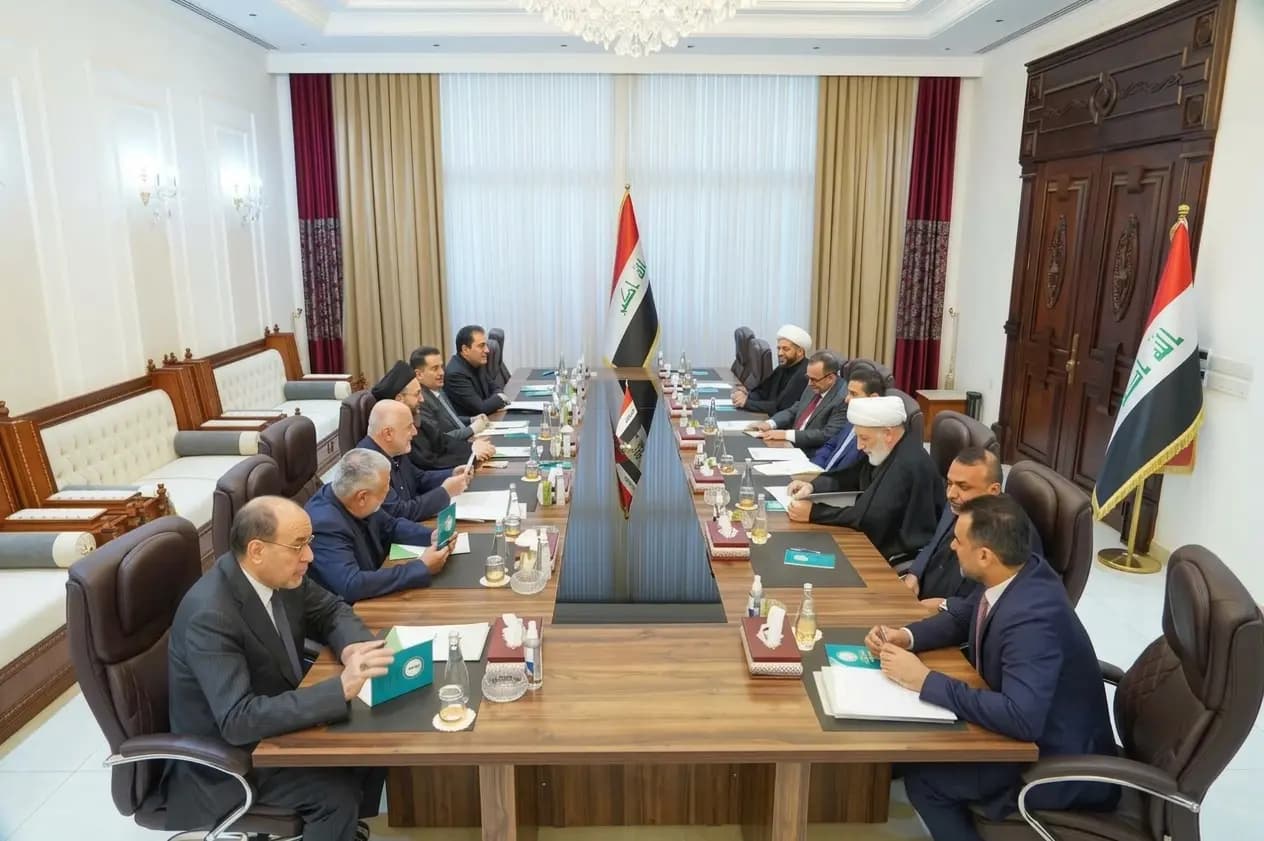
Sulaimani separate status requires popular vote, not party decisions: Coordination Framework official
Kurdistan17-11-2026

Sulaimani separate status requires popular vote, not party decisions: Coordination Framework official

Questions