ERBIL, Kurdistan Region - Tens of thousands of Syrians in Lebanon have returned to their homeland over the past three days via the main border crossing between the two countries, Damascus’ state-run news agency reported Wednesday, amid renewed hostilities on the Lebanese-Israeli front since Monday and the widening regional escalation.
The Syrian Arab News Agency (SANA) reported that the Jdeidet Yabous border crossing - known as the Masnaa crossing on the Lebanese side, located along the Damascus-Beirut highway - “witnessed heavy traffic over the past 72 hours due to the return of many Syrian citizens prompted by recent developments in the region.”
SANA added that “the number of returnees has exceeded 25,000 people.”
For his part, Director of Public Relations at the General Authority for Border Crossings and Customs, Mazen Aloush, told the agency that movement at the vital crossing saw “a temporary suspension” on Wednesday following an advisory warning from the Lebanese side, “calling for evacuation to protect the area from the repercussions of Israeli strikes on Lebanon.”
The development comes amid renewed conflict on the Israel-Lebanon front that began Monday after the Iran‑aligned Hezbollah movement launched an initial attack on northern Israel to “avenge” the killing of Iran’s long‑time supreme leader Ayatollah Ali Khamenei (1939-2026).
Since Saturday, the United States and Israel have been engaged in a large‑scale military campaign against Iran, including coordinated air and missile strikes that killed Khamenei along with several senior commanders.
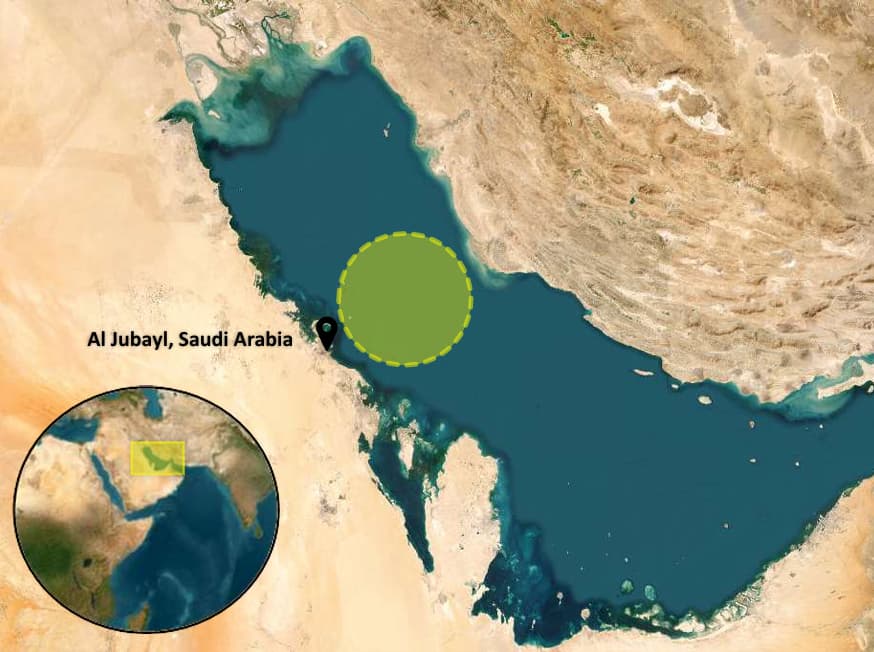
For its part, Tehran has launched a massive, multi-front offensive involving over 1,200 drones and nearly 500 ballistic and cruise missiles striking targets in all six Gulf Cooperation Council states - Bahrain, Kuwait, Oman, Qatar, Saudi Arabia, and the United Arab Emirates - as of early Wednesday.
Hezbollah-Israel Escalation
In Lebanon, Hezbollah on Monday launched a barrage of precision missiles and a swarm of drones at a missile defense site south of the Israeli port city of Haifa.
Tel Aviv responded with a massive wave of airstrikes - over 70 in a single day - targeting the Hezbollah powerbases in Beirut's southern suburb - widely known as Dahieh - south Lebanon and the Bekaa region.
The violence intensified further on Tuesday when Hezbollah fired more than 120 rockets toward the Upper Galilee and Haifa Bay, resulting in one fatality and at least 18 injuries in the cities of Acre and Haifa.
Simultaneously, the Israeli Defense Forces on the same day began a limited ground incursion, with troops and armored vehicles crossing into "strategic high ground" in southern Lebanese border towns.
On Wednesday, Hezbollah targeted three major Israeli military installations: the Ramat David airbase, the Meron aerial surveillance base, and Camp Yitzhak (Nafah base) in the Golan Heights.
The first direct ground engagements were also reported on Wednesday that saw Hezbollah utilize anti-tank missiles against Israeli troops operating inside Lebanese territory, causing the first two confirmed IDF injuries of the week.
Hezbollah defies ban
Lebanese health officials reported early Thursday that the death toll from over a 100 Israeli strikes across Lebanon had risen to at least 72 people, with over 83,000 civilians displaced by the ongoing bombardment and evacuation orders against more than 80 towns and villages.
Importantly, Hezbollah’s latest intervention prompted the Lebanese government on Monday to take the unprecedented step of banning the Iran-backed group’s military and security activities.
Following an emergency cabinet meeting, Lebanese Prime Minister Nawaf Salam said, “The Lebanese state declares its absolute and unequivocal rejection of any military or security actions launched from Lebanese territory outside the framework of its legitimate institutions.
“This necessitates the immediate prohibition of all of Hezbollah's security and military activities, considering them to be outside the law, and obliging it to hand over its weapons,” the Lebanese premier added.
Despite this, the Iran-aligned group on Wednesday vowed to confront the “Israeli-American aggression” and will not surrender despite the “imbalance in capabilities,” said Hezbollah leader Naim Qassem in a televised speech.
"We are facing aggression... our choice is to confront it until the ultimate sacrifice, and we will not surrender," the Hezbollah leader declared in his first speech since the confrontations renewed on Monday.