ERBIL, Kurdistan Region - Millions still require support six months since the devastating earthquake that rocked Turkey and Syria, humanitarian agencies and NGOs warned on Sunday, as victims struggle to rebuild their lives from the rubble.
A report published by the United Nations country representative in Turkey on Saturday said that nine million people, including at least four million children, are still in need of urgent support in the country.
“The UN and its agencies have been on the ground since day one to support the earthquake response by the Turkish Government. Today, we continue our strong commitment to assist recovery efforts” UN Resident Coordinator Alvaro Rodriguez said and called on the international communities to provide the funds pledged to support the earthquake response.
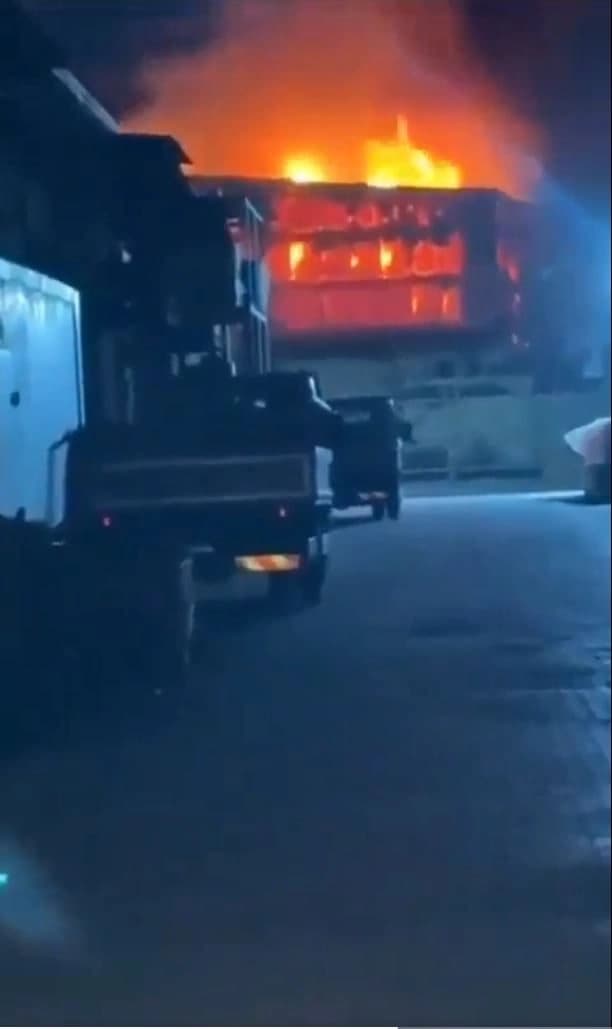
On February 6, two devastating double tremors rocked provinces across the Turkish-Syrian border, killing and injuring over 100,000 people and destroying thousands of homes. The Turkish interior ministry revealed in April that 58,783 people lost their lives in the quake in the country.
Following the February quakes, Turkish President Recep Tayyip Erdogan promised compensation and restoration of the collapsed buildings, as well as new residential units within a year.
On Sunday, Turkish Minister of Environment and Urbanization, Mehmet Ozhaseki said on Twitter that they hope to build 319 thousand residential units within a year, and a total of 680 thousand units to be distributed over the victims of the quake, adding that over 155 thousand people applied for governmental financial support to reconstruct their house and workplaces in their original place.
On the Syrian side of the quake, millions of women and children find themselves without vital humanitarian lifelines and risk losing access to basic food supplies and life-saving healthcare according to the International Rescue Committee (IRC).
Based on the IRC’s report, there are around 4.1 million individuals in northwest Syria who require ongoing humanitarian aid, with women and children constituting the majority. More than half of these individuals have been receiving aid through the cross-border mechanism every month. The earthquakes that occurred six months ago have worsened the situation for these already vulnerable communities, further stretching the humanitarian response.
Last month, the UN Security Council failed to extend a crucial cross-border aid lifeline into rebel-held northwest Syria after Russia vetoed the vote, endangering the future of millions of aid-dependent residents in the area.
“The earthquake destroyed already fragile infrastructure, caused further displacement, killing and injuring over 13,000 people,” Tanya Evans, the IRC’s Country Director in Syria said.
“Now 6 months on, instead of looking to rebuild their lives, these already devastated communities are left worrying about where their next meal will come from in the absence of the UN Security Council resolution,” she added.
The earthquake in Syria killed over 8,000 people, but due to the conflicts within the country, it is possible that the number of dead is more than the reported numbers.
The Bab al-Hawa cross-border mechanism is the only way UN aid, including food, medicine, water, and other critical resources, can be delivered to northwest Syria without having to traverse through areas controlled by the Syrian government.