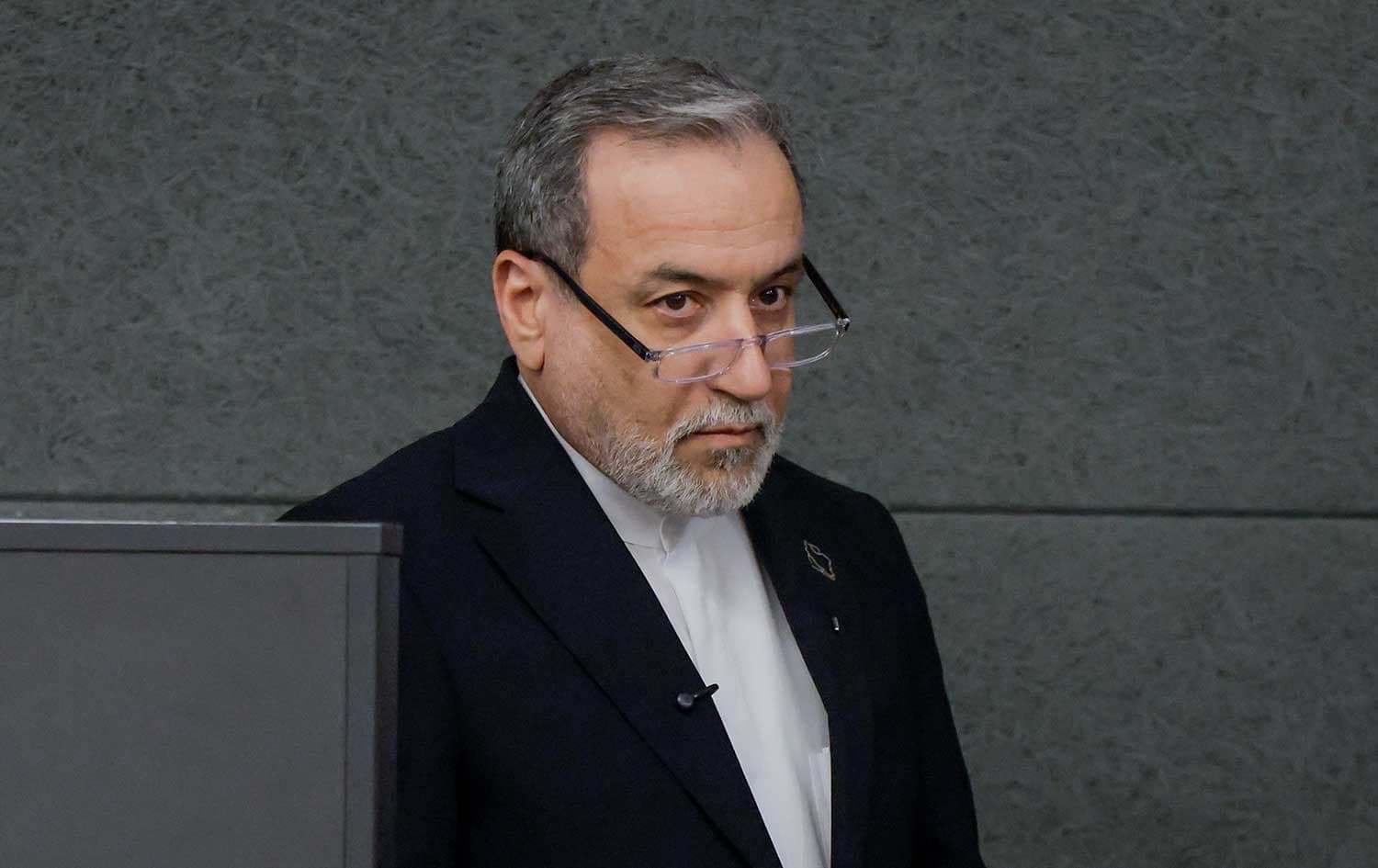
ERBIL, Kurdistan Region - Iranian Foreign Minister Abbas Araghchi on Tuesday accused Washington of entering a “war of choice” on behalf of Israel, after US Secretary of State Marco Rubio said the United States struck Iran preemptively to protect American forces from an anticipated retaliation.
“Mr. Rubio admitted what we all knew: U.S. has entered a war of choice on behalf of Israel. There was never any so-called Iranian ‘threat’,” Araghchi said in a post on X.
“Shedding of both American and Iranian blood is thus on Israel Firsters," Araghchi stated, adding that the American people "deserve better and should take back their country.”
Araghchi’s remarks came after Rubio told reporters Monday that Washington acted after learning Israel was preparing to strike Iranian targets and assessing that Tehran would respond against US forces in the region.
“We knew that there was going to be an Israeli action. We knew that that would precipitate an attack against American forces, and we knew that if we didn't preemptively go after them before they launched those attacks, we would suffer higher casualties,” Rubio said.
He added that Iranian field commanders had been instructed to respond automatically if attacked. “If we stood and waited for that attack to come first before we hit them, we would suffer much higher casualties. And so the president made the very wise decision” to act alongside Israel.
Pressed on whether the US faced an imminent threat - a key legal threshold as Congress holds the constitutional power to declare war - Rubio said, “There absolutely was an imminent threat… We were not going to sit there and absorb a blow.”
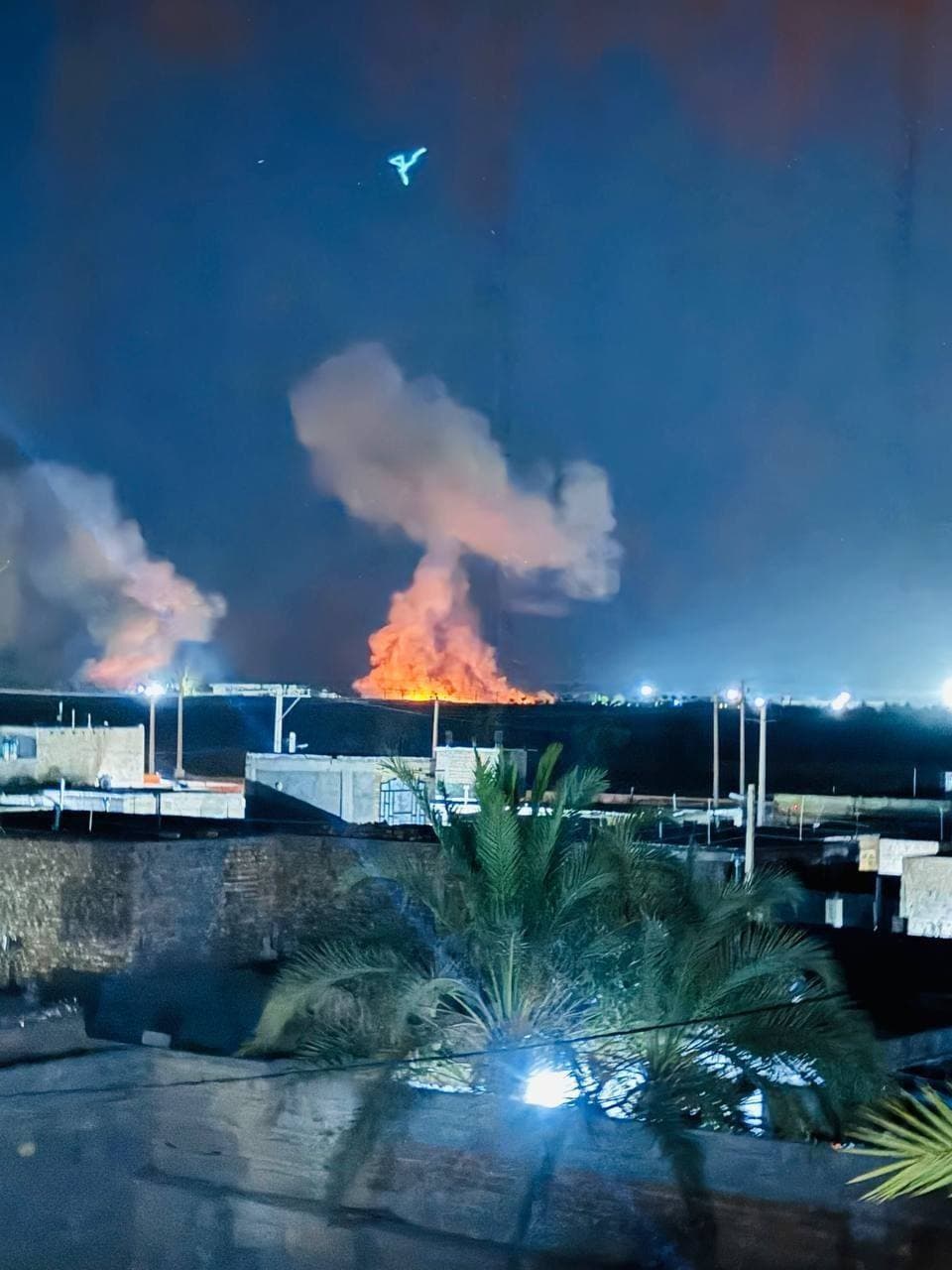
The exchange follows an escalation after Israeli strikes in Tehran killed Iran’s Supreme Leader Ayatollah Ali Khamenei and other senior officials on Saturday.
While Rubio said Washington ultimately believed “this operation needed to happen,” he stressed that “the objective of this mission is the destruction of their ballistic missile capabilities and of their naval capabilities,” not the government change, even as he said the US would welcome the Iranian people to "overthrow" it.