ERBIL, Kurdistan Region - On Sunday, US and Israeli attacks on Tehran were less intense compared to previous days, but Iran’s energy and fuel infrastructure became a primary target. Iran’s Khatam al-Anbiya Headquarters warned that if attacks on Iran’s energy infrastructure continue, it will target energy facilities in other countries, which could drive global oil prices sharply higher.
On the ninth day of the war between the United States, Israel, and Iran, several military targets in and around Tehran were bombed with aircraft and missiles, but the focus of the attacks shifted largely to the energy sector, oil depots, and fuel storage facilities.
Attacks on Iran’s energy sector
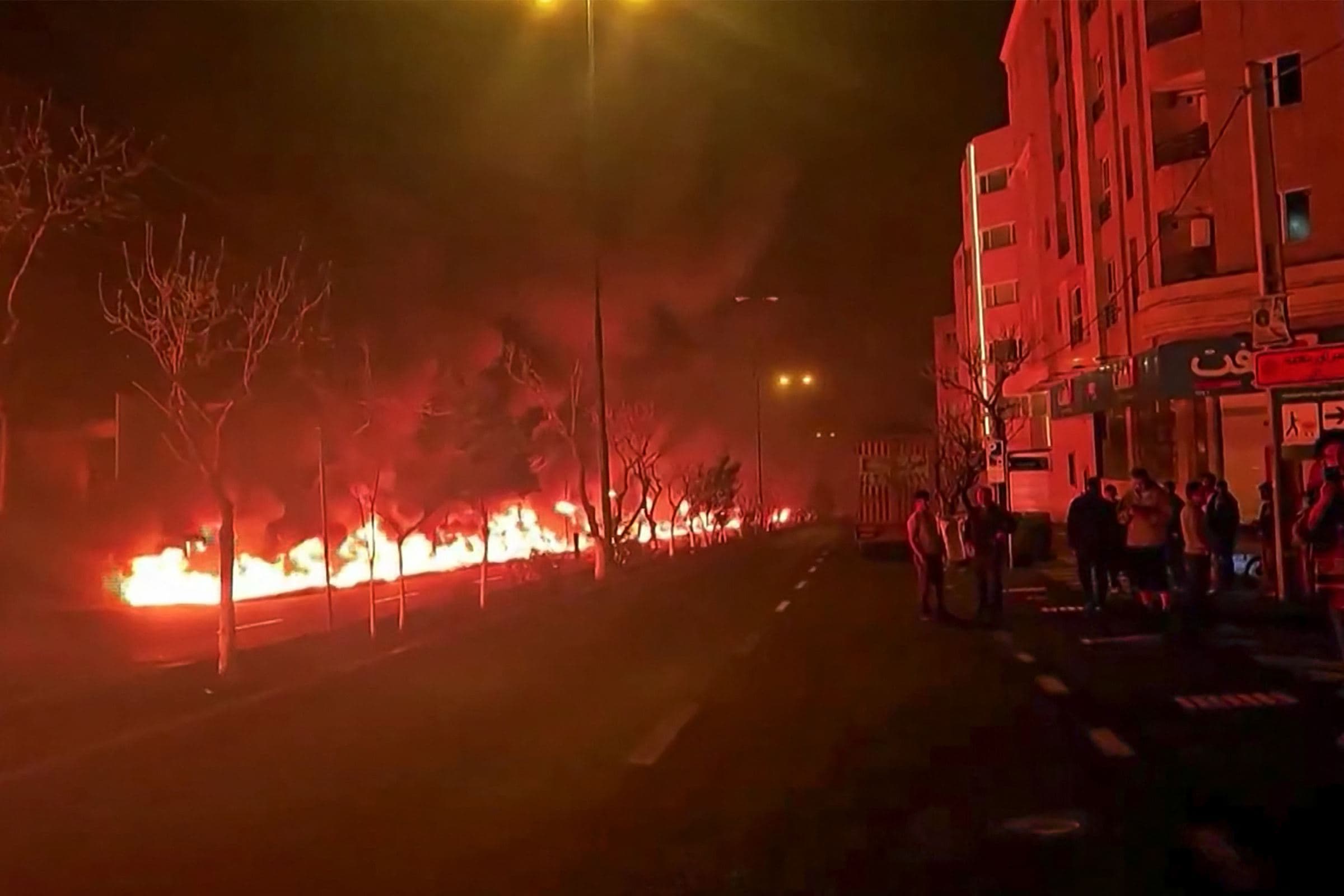
On Saturday night and early Sunday morning, Israeli aircraft struck fuel depots and Iran’s oil and gas transportation lines.
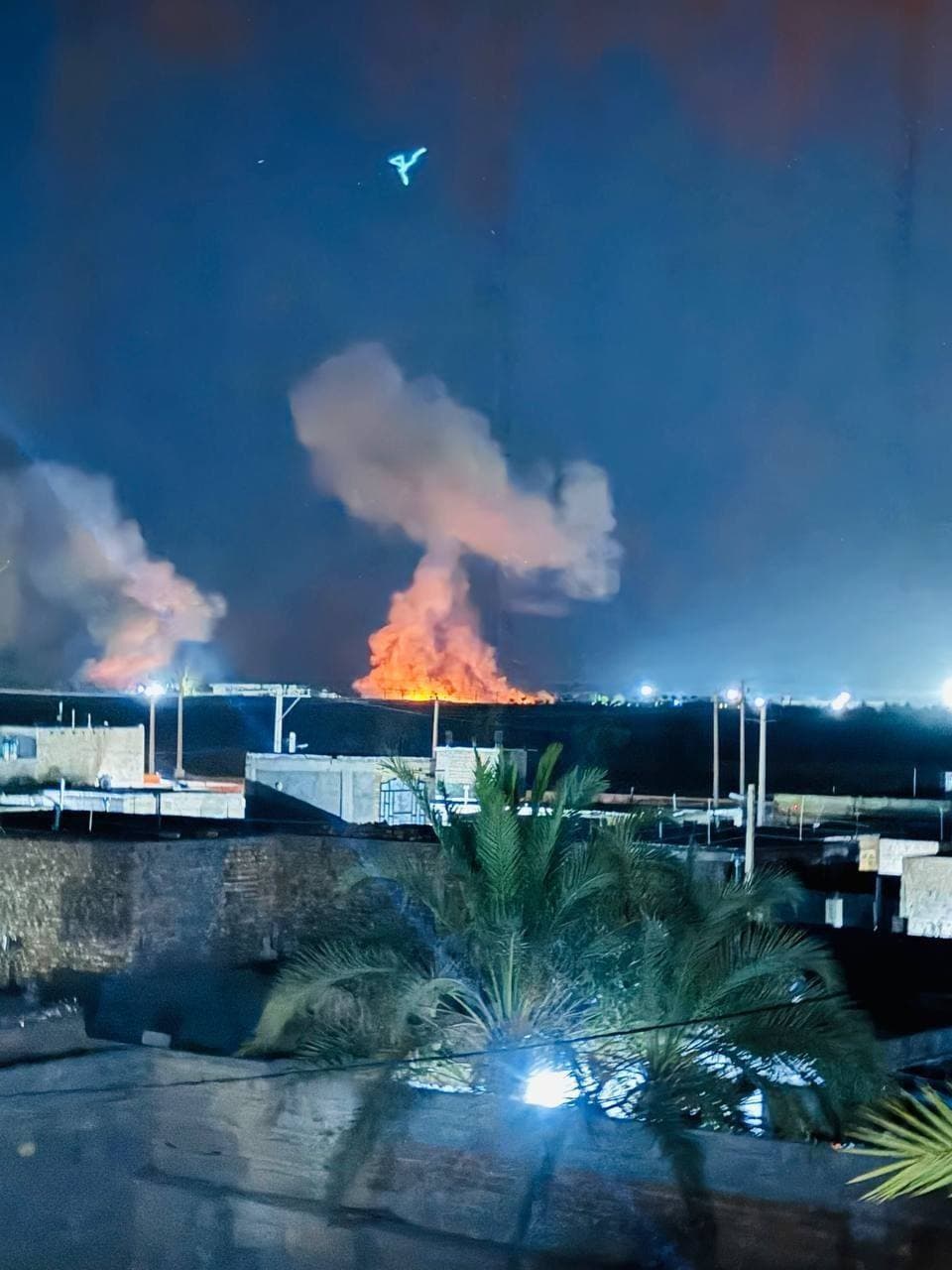
On Saturday night, oil depots south of Tehran were targeted. Early Sunday, a refinery and the Aghdasiyeh oil depot in eastern Tehran, the Shahran oil depot in western Tehran, and the Fardis oil depot in Karaj were also attacked. On Sunday evening, a fuel storage facility at Qeshm Island airport in southern Iran was bombed.
The deputy governor of Alborz province said the attack in Karaj killed six people and wounded 21 others.
The Israeli military said it targeted several fuel storage facilities belonging to the Islamic Revolutionary Guard Corps (IRGC). It added that the bombed locations were fuel supply sites for Iran’s military institutions.
Iran’s National Iranian Oil Products Distribution Company confirmed that oil depots in Tehran and Karaj provinces and fuel pipelines were targeted and damaged. It also said four employees of the Oil Ministry were killed in the attacks.
Iran’s Oil Minister Mohsen Paknejad said the goal of targeting Iran’s energy infrastructure and fuel depots was to create problems for the public, but added that authorities have taken the necessary measures to prevent fuel shortages.
A spokesperson for Iran’s Khatam al-Anbiya Headquarters warned that if attacks on Iran’s infrastructure continue, Iran will carry out similar strikes. Ibrahim Zolfaghari said such retaliation could push the price of a barrel of oil above $200.
Axios reported on Sunday that the US is dismayed by Israel’s strikes on energy infrastructure.
Continued attacks on security and military bases
On Sunday, several locations in the city of Isfahan were attacked, including the IRGC’s 22 Bahman base in northeastern Isfahan, a police station, and other sites.
The Israeli military also announced on Sunday that it bombed several Iranian F-14 fighter jets at Isfahan airport.
In Najafabad, also in Isfahan province, the IRGC Intelligence Organization command center, the police headquarters, and two IRGC bases—Ashura and Imam Ali—were bombed. The deputy governor of Isfahan said 19 people were killed in Najafabad and many others were wounded.
Early Sunday morning, a target in the Vahdat industrial town, five kilometers from Behbahan in Isfahan province, was bombed. Some residents of Behbahan wrote on social media that the IRGC had established a missile launch base in the industrial town, which was then targeted.
IRGC and police bases were also bombed in the Isfahan cities of Falavarjan, Fooladshahr, and Shahinshahr.
On Sunday afternoon, the mountainous areas surrounding Yazd, known as the Koohestan Park mountains, were bombed again for the second time in recent days. An IRGC missile and military base located in the area was reportedly targeted.
In the Zanbilabad neighborhood of Qom, the main headquarters of Qom province’s intelligence directorate was bombed. The IRGC Intelligence Organization in the city was also targeted.
Morteza Heidari, deputy governor of Qom for political and security affairs, said several locations in the Zanbilabad, Shahab town, and Safaiyeh neighborhoods were struck.
In Zanjan, two government buildings were attacked. According to Iran’s official news agency, eight people were killed in the city.
At 4:00 pm Sunday, several targets in Ahvaz, the capital of Khuzestan province, were struck by missiles. So far, the bombing of two main police headquarters, an army ground forces base, and a site on Wahhabi Street in the Kianpars neighborhood has been confirmed.
The Israeli military said on Sunday that it has struck more than 400 targets in western and central Iran. Western Iran includes Rojhelat (Iranian Kurdistan) and Khuzestan province. Targets included the central air defense command of the IRGC, 50 ammunition depots belonging to the army and IRGC, several police bases, and infantry shelters of the IRGC.
The Israeli military also said that on Saturday in Tehran, it killed Abolghasem Babaei, head of the Supreme Leader’s military office and chief of Iran’s Khatam al-Anbiya central command headquarters.