Erbil, Kurdistan Region - Iranian authorities are expected to fast-track trials for thousands of detainees held during the six-week war, raising concerns among rights watchdogs over a potential wave of executions under wartime conditions, as many face vague accusations of spying or collaborating “with the enemy.”
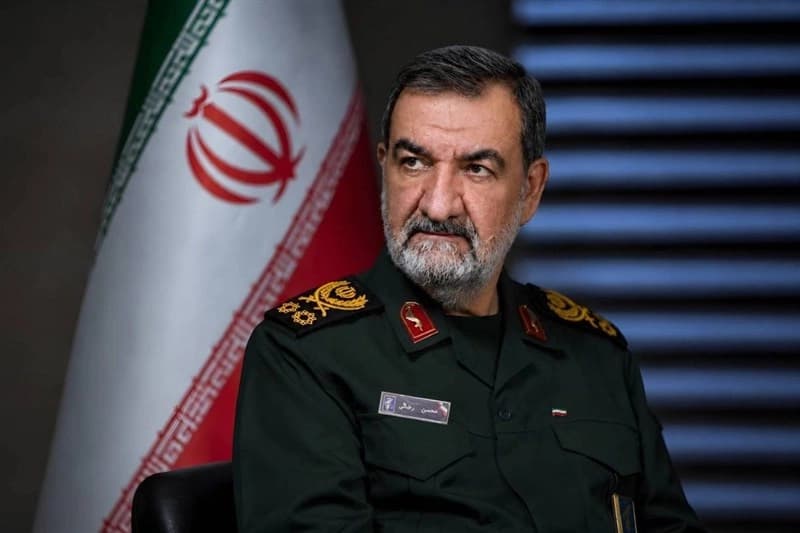
“In dealing with spies, traitorous elements, and foot soldiers of the aggressor, our posture is fully combative and aligned with wartime requirements,” Chief Justice Gholam-Hossein Mohseni-Ejei said in a Monday post on X.
He added that “the judiciary, in its proceedings on cases involving collaborators with the enemy, maintains a wartime posture until further notice,” and that this approach is purportedly “fully in compliance with the law, and we are committed to it.”
The US and Israel in late February launched a joint aerial campaign striking thousands of targets across Iran. A Pakistan-brokered two-week ceasefire announced last week has shown signs of strain as US President Donald Trump on Monday announced a blockade of all Iranian ports after talks between the warring sides in Islamabad collapsed a day earlier.
During the six-week war, Iranian authorities detained thousands of people, accusing them of photographing strike sites and sharing the material on social media “in service of the enemy,” or of allegedly collaborating with Israel and the US.
In early April, the United Nations High Commissioner for Human Rights Volker Turk criticized the arrests, saying, “As if the pain and suffering brought on by the war is not enough, some Iranians are being arbitrarily rounded up, jailed, prosecuted without due process and, in some cases, even executed by their own government.”
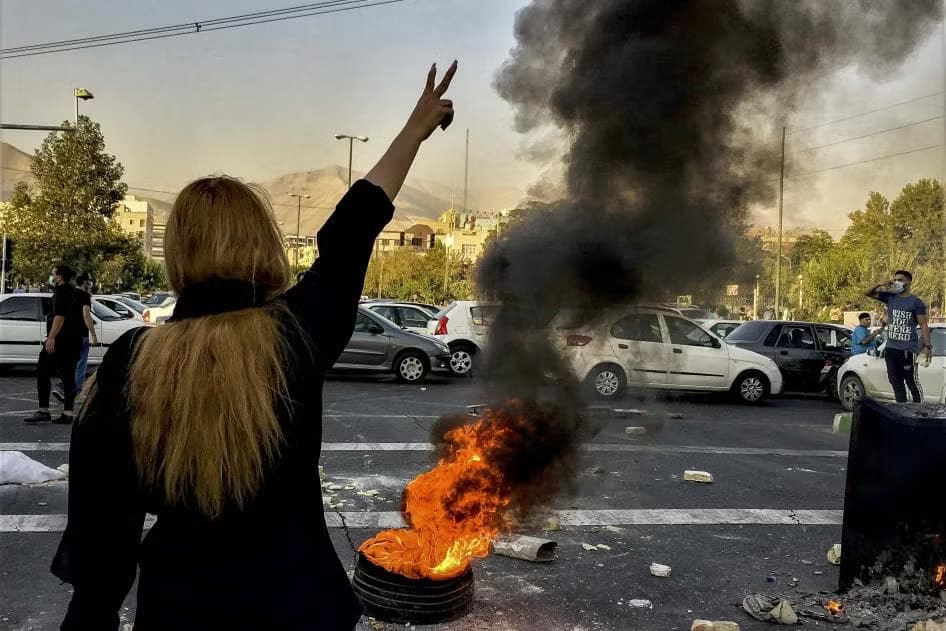
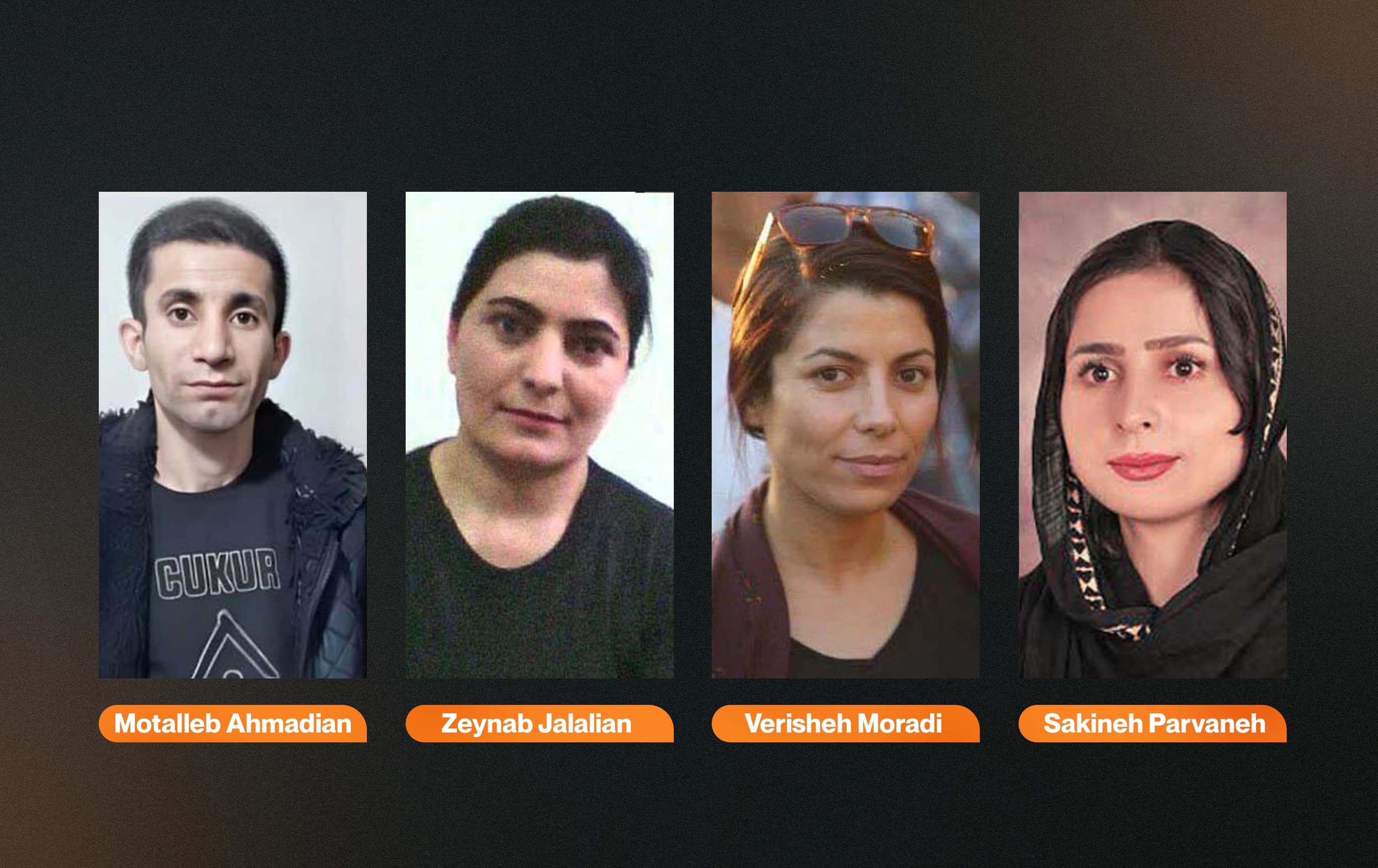
During the conflict, several Iranian dissidents - including individuals linked to the January anti-establishment protests - were executed, prompting rights groups to question whether Tehran was carrying out wartime reprisals.
Iran has long been accused by human rights groups of using the death penalty as a tool of political repression, with thousands executed over the past five decades.
In their 2025 annual report published Monday, Iran Human Rights (IHR) and Together Against the Death Penalty (ECPM) said Tehran carried out 1,639 executions last year, some in public squares in the presence of children. This marked a 68 percent increase from the 975 executions recorded in 2024.
However, official sources acknowledged only 113 executions in 2025 - about 7 percent of the reported total.
In their 2025 report, IHR and ECPM further noted that “the future of the Islamic Republic remains uncertain” as “it has no legitimacy among the absolute majority of the Iranian population.” The rights monitors warned that if the establishment “survives the current crisis, its reliance on fear and repression will most certainly increase,” adding that “there is a serious risk that executions will be used even more extensively as a tool of oppression and repression.”