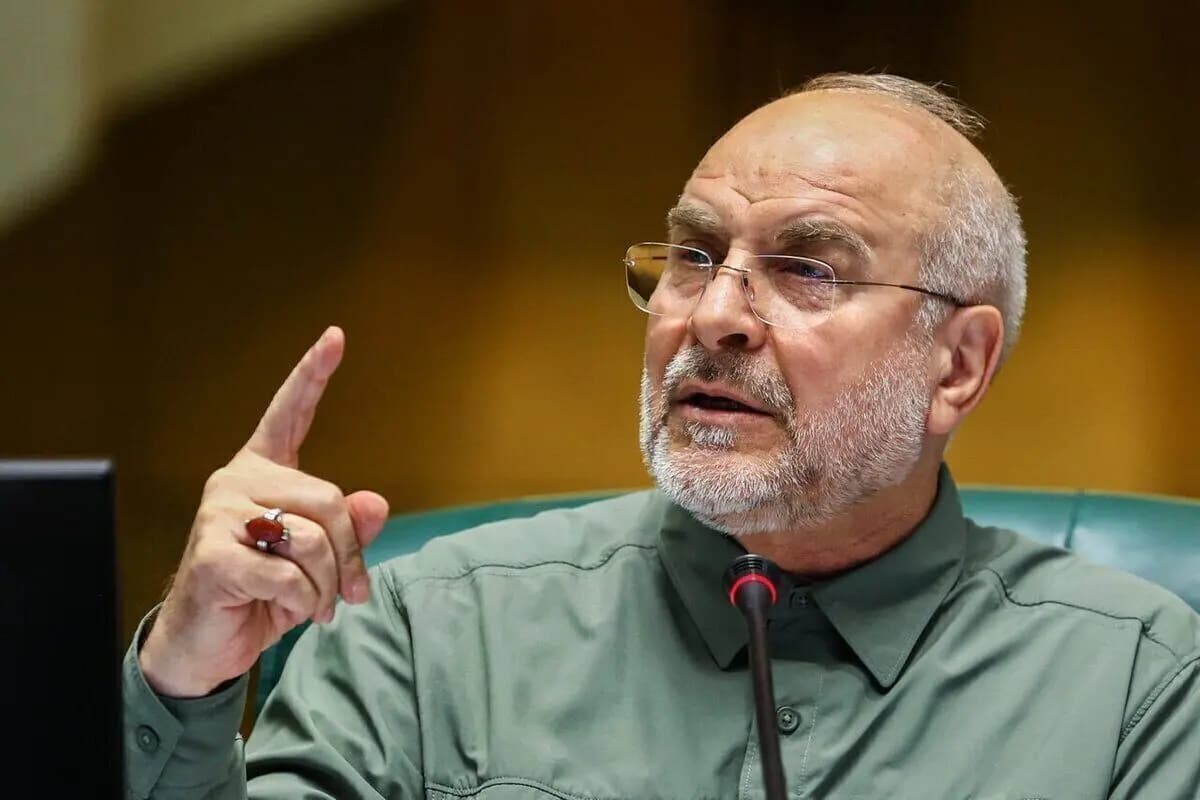
Farhad Tajari, an MP representing the westernmost region of Iran, said “reconstruction and assistance projects have come to a standstill due to rising prices,” Radio Farda reported Sunday.
Rising prices have caused private contractors to stop working, he said. Government agencies have also run into problems.
His comments came just hours before a 6.3 magnitude quake struck the Iran-Iraq border region on Sunday evening.
The Iranian rial has been losing value since the US announced its withdrawal from the 2015 Iran nuclear deal in May and began drafting a raft of new economic sanctions.
The year-to-year inflation rate reached 35 percent last month according to a report by Iran’s Statistical Center released this week.
On November 12, 2017, a massive 7.3 magnitude earthquake struck areas around the Iraq-Iran border, leaving 620 people dead and another 12,000 injured on the Iranian side alone.
Tajari also said gas services have not been restored in Kermanshah, where many people remain in temporary housing containers. Temperatures often dip below freezing in the winter months.
Some 70,000 people were left homeless in the days following the earthquake.
The city of Sarpol-e Zahab in Kermanshah suffered the highest numbers of casualties with many houses and other infrastructure destroyed.
Ten cities and 1,930 villages were affected across the province. Poor quality construction of low-income housing in the Kurdish-majority community is widely seen as a contributing factor for the high death toll.