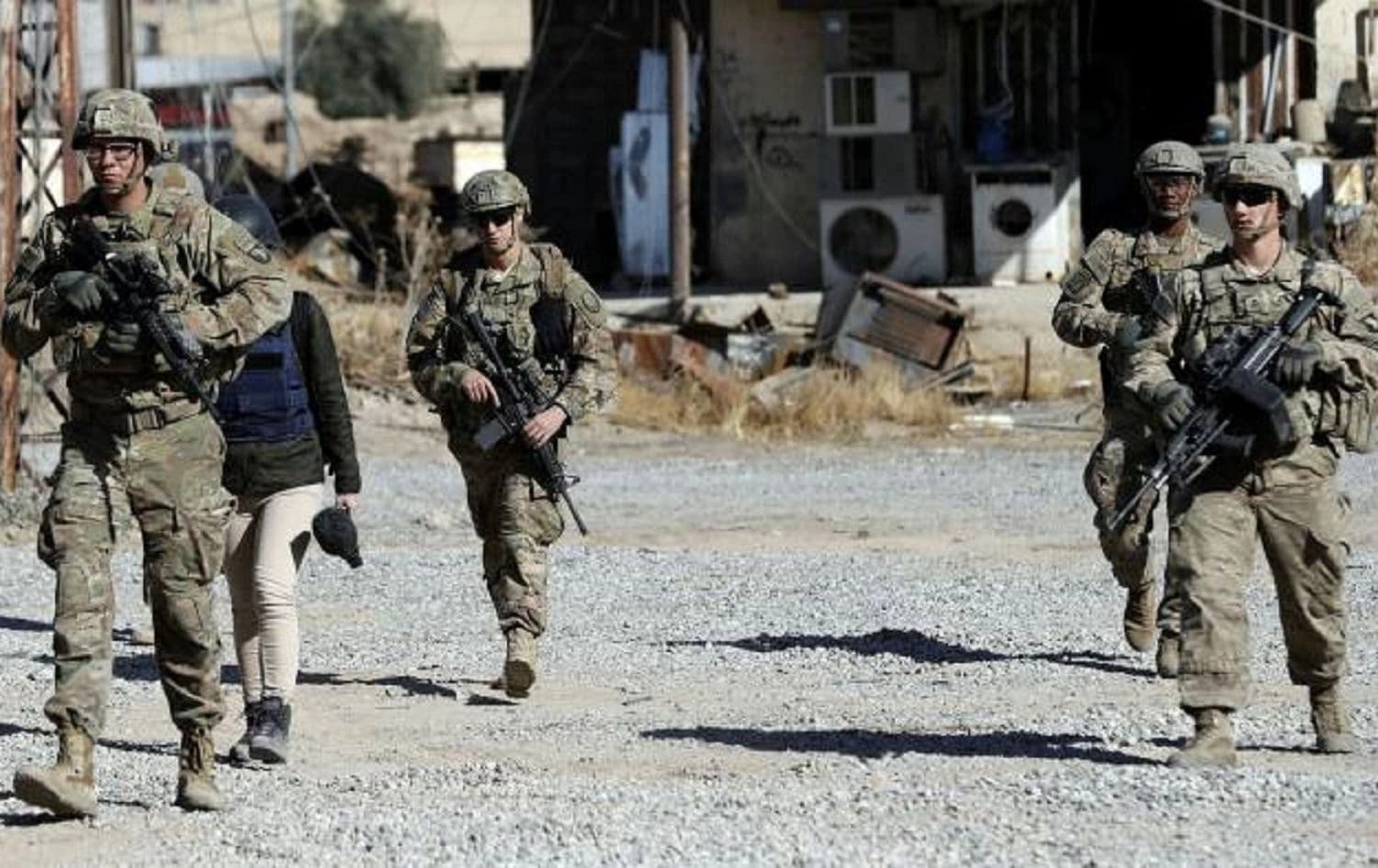
ERBIL, Kurdistan Region — Iraqi leaders are voicing their support for the outcomes of the latest US-Iraq strategic dialogue session, which resumed on Wednesday, including the decision to withdraw foreign combat forces from Iraq. Prime Minister Mustafa al-Kadhimi on Thursday said that the results of the third round of the strategic dialogue are a gateway to solve Iraq’s problems. "Dialogue is the right way to solve crises, not conflicts, wars, fugitive weapons, and recklessness," the PM tweeted. Iraqi Foreign Minister Fuad Hussein and his US counterpart Antony Blinken resumed the strategic dialogue on Wednesday, continuing discussions on US military disengagement, Iraq’s economy, and other issues. The talks this week are the first under the administration of the current US President Joe Biden. Kadhimi has ordered the formation of a “technical committee” to implement the outcomes of the strategic dialogue, especially mechanisms and timings related to withdrawal of foreign forces, according to Major General Yehia Rasool, spokesperson to Kadhimi as Iraq’s commander-in-chief. A timeline for the withdrawal of combat troops will be decided upon in upcoming technical talks, according to the joint statement released after the Wednesday’s session. The head of Iraq's National Wisdom Movement (Hikma) political bloc Ammar al-Hakim stressed the need to follow up on the outcomes of the strategic dialogue between Iraq and the US. "We urge the necessity of seriousness in following up the outcomes of the dialogue … in order to end the presence of combat forces in Iraq," Hakim tweeted. Iraq’s foreign ministry confirmed that foreign combat forces will be leaving the country, state media reported on Wednesday. "The remaining foreign forces will merely be in Iraqi bases," said ministry spokesperson Ahmed al-Sahaf, stressing that Baghdad and Washington have agreed that there will be no combat forces in Iraq. Hours before the strategic dialogue was held, Iran-backed armed factions affiliated with the Popular Mobilization Forces (PMF or Hashd al-Shaabi in Arabic), threatened in a statement on Telegram to direct "large and precise strikes" against American forces in Iraq if Baghdad and Washington do not announce a clear deadline for the withdrawal of US troops. The leader of the Iranian-backed militia Asaib Ahl al-Haq leader Qais al-Khazali, criticized the idea that Iraq needs foreign forces to defend itself, saying it “disregards” Iraqi military and security institutions, including the PMF. "Iraq should stop relying on the international coalition aircraft to fight ISIS by accelerating the repair and maintenance of the Iraqi F-16 planes to rely on the Iraqi army's aviation,” Khazali tweeted. US forces have come under repeated attack since the US assassination of Iranian general Qasem Soleimani in Baghdad in January 2020, leading to a spate of rocket attacks on bases hosting coalition troops and a non-binding parliamentary resolution to expel all foreign troops from the country. In March, Iraqi Shiite militia Rab’Allah paraded through Baghdad denouncing the US presence and threatening to cut off Kadhimi’s ears. On Wednesday, two Iraqi officials told Associated Press that Kadhimi asked Iran’s leaders to restrain Iran-backed militias in Iraq, threatening to “announce clearly who backs these groups,” they said. A senior Iraqi Shiite politician told the agency that Kadhimi’s message led to a two-day visit by the Iranian Revolutionary Guard’s Quds Force chief Ismail Qaani to Baghdad this week, where he called for calm after meeting with militia and Shiite political leaders. In an interview with the BBC in early January, Hadi al-Amiri, the head of Iran-backed militia Badr said that Iraq and the PMF are open to a relationship with the US, but not a military one. “We want economic, political, cultural and trade relations with America, but not military. We will not tolerate occupation,” Amiri said.