Iraq
Leaders of the Shiite Coordination Framework hold a periodic meeting. File photo: Iraqi News Agency (INA)
ERBIL, Kurdistan Region - Iraq’s ruling Shiite Coordination Framework is set to begin discussions to select a nominee for the premiership on Monday, politicians from the bloc confirmed to Rudaw, amid reports that former candidate and ex-premier Nouri al-Maliki (2006-2014) - who was seemingly vetoed by US President Donald Trump - remains among those considered for the post traditionally held by a Shiite.
“Maliki’s nomination has yet to be officially revoked [by the Coordination Framework] and neither have one-third majority of the lawmakers who first supported his candidacy withdrawn their backing,” said Ahmed al-Issawi, a senior member of the Hikmah Movement - one of twelve blocs under the umbrella of the alliance.
Under Iraq’s post-2003 informal power-sharing system, the presidency has traditionally gone to a Kurd, the parliamentary speakership to a Sunni Arab, and the premiership to a Shiite nominated by the largest bloc, which in this instance is the Coordination Framework.
Issawi noted that caretaker Prime Minister Mohammed Shia’ al-Sudani and former premier Haider al-Abadi (2014-2018) are also among the names being circulated as possible candidates, but added that “Maliki or the Coordination Framework might present a [new] consensus candidate.
Meanwhile, Aqeel al-Rudaini, spokesperson for the Abadi-led Victory Alliance, told Rudaw that the Coordination Framework is keen on naming another candidate for the premiership, adding, “I believe Maliki is out of the nomination circle.”
The Coordination Framework hd in late January nominated Maliki, who also heads the State of Law Coalition, for the premiership. However, the move was swiftly criticized by US President Trump, who called his candidacy a “very bad choice” and warned that Washington would “no longer help Iraq” if the former prime minister returns to office.
Maliki, a longtime ally of Iran, then criticized Trump’s remarks as “blatant American interference” in Iraq’s internal affairs and rejected any divisions within the Coordination Framework over his nomination.
Amer al-Fayez, head of the Tasmim Alliance, another faction within the Coordination Framework, told Rudaw on Monday that the alliance still has “enough time to settle the prime ministerial candidate issue,” noting that “discussions will begin this evening [Monday] on whether Maliki will remain the candidate or whether another name will be put forward,” and adding that any nominee “must secure two-thirds of the members’ votes.”
Fayez added that if Maliki’s candidacy for the premiership is withdrawn, other names - alongside Sudani and Abadi - include Basim al-Badri, head of the Supreme National Commission for Accountability and Justice, former planning minister Ali al-Shukri, and Mohammed Sahib al-Darraji, a technical advisor to Sudani.
Meanwhile, Mohammed al-Khalidi, a senior member of the Sudani-led Reconstruction and Development Coalition, told Rudaw that the incumbent premier has the “strongest chance” among the candidates, affirming the bloc’s rejection of “a consensus or compromise candidate.”
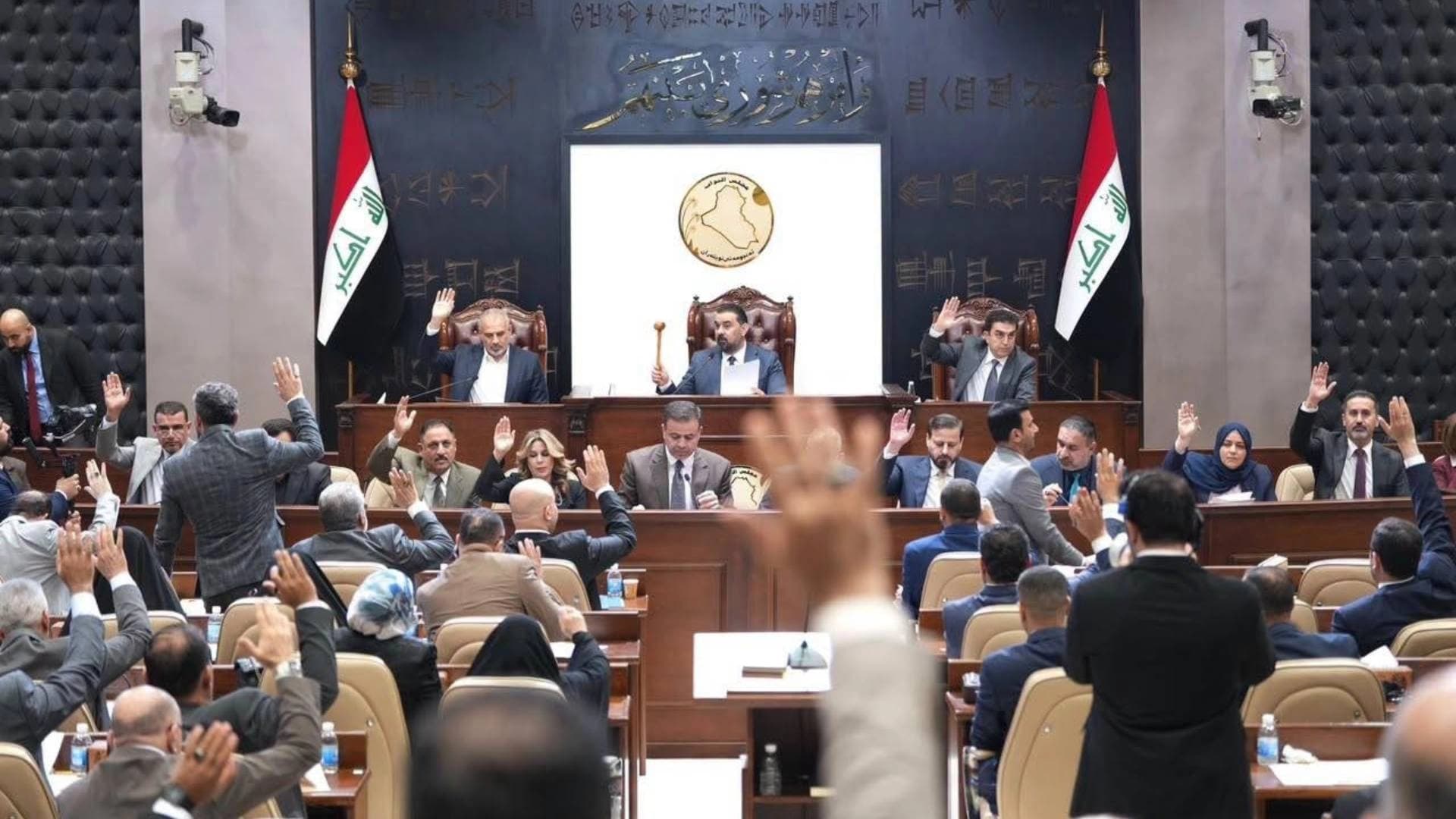
Iraq held legislative elections in early November and in late December, parliament elected its speaker and two deputies. On Sunday, parliament elected the Patriotic Union of Kurdistan's (PUK) nominee, Nizar Amedi, as president in a vote contested by the Kurdistan Democratic Party (KDP).
Under the constitution, once sworn in, the president has up to 15 days to task the nominee of the largest parliamentary bloc - the Coordination Framework - with forming a government.
“Maliki’s nomination has yet to be officially revoked [by the Coordination Framework] and neither have one-third majority of the lawmakers who first supported his candidacy withdrawn their backing,” said Ahmed al-Issawi, a senior member of the Hikmah Movement - one of twelve blocs under the umbrella of the alliance.
Under Iraq’s post-2003 informal power-sharing system, the presidency has traditionally gone to a Kurd, the parliamentary speakership to a Sunni Arab, and the premiership to a Shiite nominated by the largest bloc, which in this instance is the Coordination Framework.
Issawi noted that caretaker Prime Minister Mohammed Shia’ al-Sudani and former premier Haider al-Abadi (2014-2018) are also among the names being circulated as possible candidates, but added that “Maliki or the Coordination Framework might present a [new] consensus candidate.
Meanwhile, Aqeel al-Rudaini, spokesperson for the Abadi-led Victory Alliance, told Rudaw that the Coordination Framework is keen on naming another candidate for the premiership, adding, “I believe Maliki is out of the nomination circle.”
The Coordination Framework hd in late January nominated Maliki, who also heads the State of Law Coalition, for the premiership. However, the move was swiftly criticized by US President Trump, who called his candidacy a “very bad choice” and warned that Washington would “no longer help Iraq” if the former prime minister returns to office.
Maliki, a longtime ally of Iran, then criticized Trump’s remarks as “blatant American interference” in Iraq’s internal affairs and rejected any divisions within the Coordination Framework over his nomination.
Amer al-Fayez, head of the Tasmim Alliance, another faction within the Coordination Framework, told Rudaw on Monday that the alliance still has “enough time to settle the prime ministerial candidate issue,” noting that “discussions will begin this evening [Monday] on whether Maliki will remain the candidate or whether another name will be put forward,” and adding that any nominee “must secure two-thirds of the members’ votes.”
Fayez added that if Maliki’s candidacy for the premiership is withdrawn, other names - alongside Sudani and Abadi - include Basim al-Badri, head of the Supreme National Commission for Accountability and Justice, former planning minister Ali al-Shukri, and Mohammed Sahib al-Darraji, a technical advisor to Sudani.
Meanwhile, Mohammed al-Khalidi, a senior member of the Sudani-led Reconstruction and Development Coalition, told Rudaw that the incumbent premier has the “strongest chance” among the candidates, affirming the bloc’s rejection of “a consensus or compromise candidate.”
Iraq held legislative elections in early November and in late December, parliament elected its speaker and two deputies. On Sunday, parliament elected the Patriotic Union of Kurdistan's (PUK) nominee, Nizar Amedi, as president in a vote contested by the Kurdistan Democratic Party (KDP).
Under the constitution, once sworn in, the president has up to 15 days to task the nominee of the largest parliamentary bloc - the Coordination Framework - with forming a government.
Comments
Rudaw moderates all comments submitted on our website. We welcome comments which are relevant to the article and encourage further discussion about the issues that matter to you. We also welcome constructive criticism about Rudaw.
To be approved for publication, however, your comments must meet our community guidelines.
We will not tolerate the following: profanity, threats, personal attacks, vulgarity, abuse (such as sexism, racism, homophobia or xenophobia), or commercial or personal promotion.
Comments that do not meet our guidelines will be rejected. Comments are not edited – they are either approved or rejected.
Post a comment