
ERBIL, Kurdistan Region – The bodies of 31 victims of ‘enforced disappearance’ were buried in a Karbala cemetery by a Hashd al-Shaabi affiliated organization on Tuesday, a move panned by Iraqi politicians.
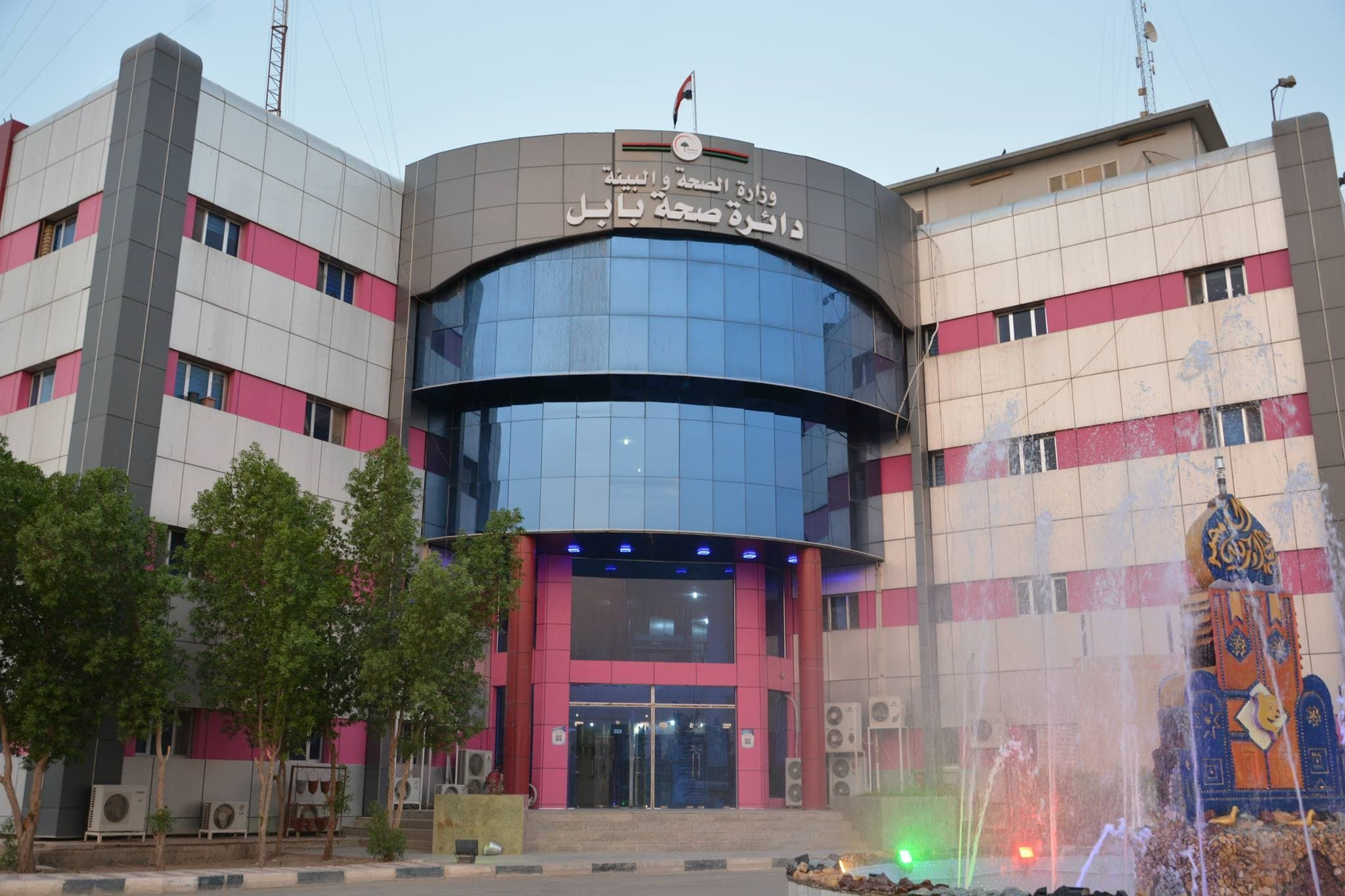
The bodies had been stored in a hospital in the nearby city of Hillah since 2014, according to an official letter by the forensic medicine division of Babel governorate's health department issued on July 29. They were taken from Hillah hospital in northern Babel to Karbala by Raad al-Shook, head of the Fatima al-Zahra organization.
Fatima al-Zahra claim to provide “logistical support” to Hashd al-Shaabi (otherwise known as the Popular Mobilization Forces, or PMF), for which they have received awards from Hashd leaders.
Monday’s burial is one of a series that have been conducted by the organization.
Hadi al-Shimari, a Fatima al-Zahra member, said the organization has buried a total of 231 bodies that had been stored in Hillah hospital’s forensic medicine facility.
“We buried 125 bodies in the first stage, 75 bodies in the second stage, while the 31 bodies is the [current] third stage of the project,” al-Shimari stated in an interview with al-Jazeera on Monday.
The bodies are believed to belong to civilians disappeared from the town of Jurf al-Sakhir in northern Babel province in 2014 after the town was recaptured by the Iraqi army and PMF paramilitias.
Strategically located between Sunni insurgent strongholds in Anbar governorate and the Shiite holy city of Karbala, Jurf al-Sakhir witnessed heavy fighting between ISIS and Iraqi government forces for months.
The Iraqi military, backed by Shiite militias, recaptured Jurf al-Sakhir from ISIS in October 2014.
A September 2018 Human Rights Watch report accused notorious Hashd branch Kata’ib Hezbollah of arbitrary detention and the enforced disappearances of mostly Sunni men and boys in and around Jurf al-Sakhir between July 2014 and October 2017.
Government silence and inaction in the burying of unidentified bodies as sparked anger among Iraqi officials.
Former Iraqi parliament speaker Osama al-Nujaifi threatened to invite international delegations to supervise a re-exhuming of the buried bodies in Karbala if government silence continued.
Former Iraqi defense minister Khalid al-Obaidi on Monday condemned the “barbaric” burials for occurring without DNA testing to identify the individuals and to give the victims’ families closure.
A Tuesday statement by the predominantly Shiite Al-Nasr coalition, led by former Iraqi Prime Minister Haider al-Abadi, also condemned the burials, but asked all political parties to avoid stoking sectarian tension when discussing the incident, and for government measures to prevent any potential sectarian violence in its wake.
All three statements claimed that some of the bodies had been partially dismembered, including those of women and children.
The Iraqi government has come under criticism for procedures surrounding mass grave excavation in Samawa, southern Iraq, where DNA testing is not taking place on the recently exhumed remains of Kurdish civilians killed during the Saddam Hussein-orchestrated Anfal genocide.
“I have criticized the Iraqi government several times, demanding there should be DNA tests for the mass graves by the Iraqi government to help the families identify the graves of their relatives because that is their right and that is the duty of the Iraqi government,” Anfal survivor Hedar Zubir Barzani, whose father was taken away during the Anfal campaign, told Rudaw on July 23.