کوردیKURDÎENGLISHTÜRKÇEعربي
Rudaw Logo
Live
Kurdistan
Middle East
OpinionsAnalysisWorldECONOMYInterviewCultureMultimedia
Live
Rudaw

Download the Rudaw app

App StoreGoogle Play
Privacy Policy•Terms of Use

© 2026 All rights reserved.

Rudaw

Download the Rudaw app

App StoreGoogle Play
Privacy PolicyTerms of Use

© 2026 All rights reserved.

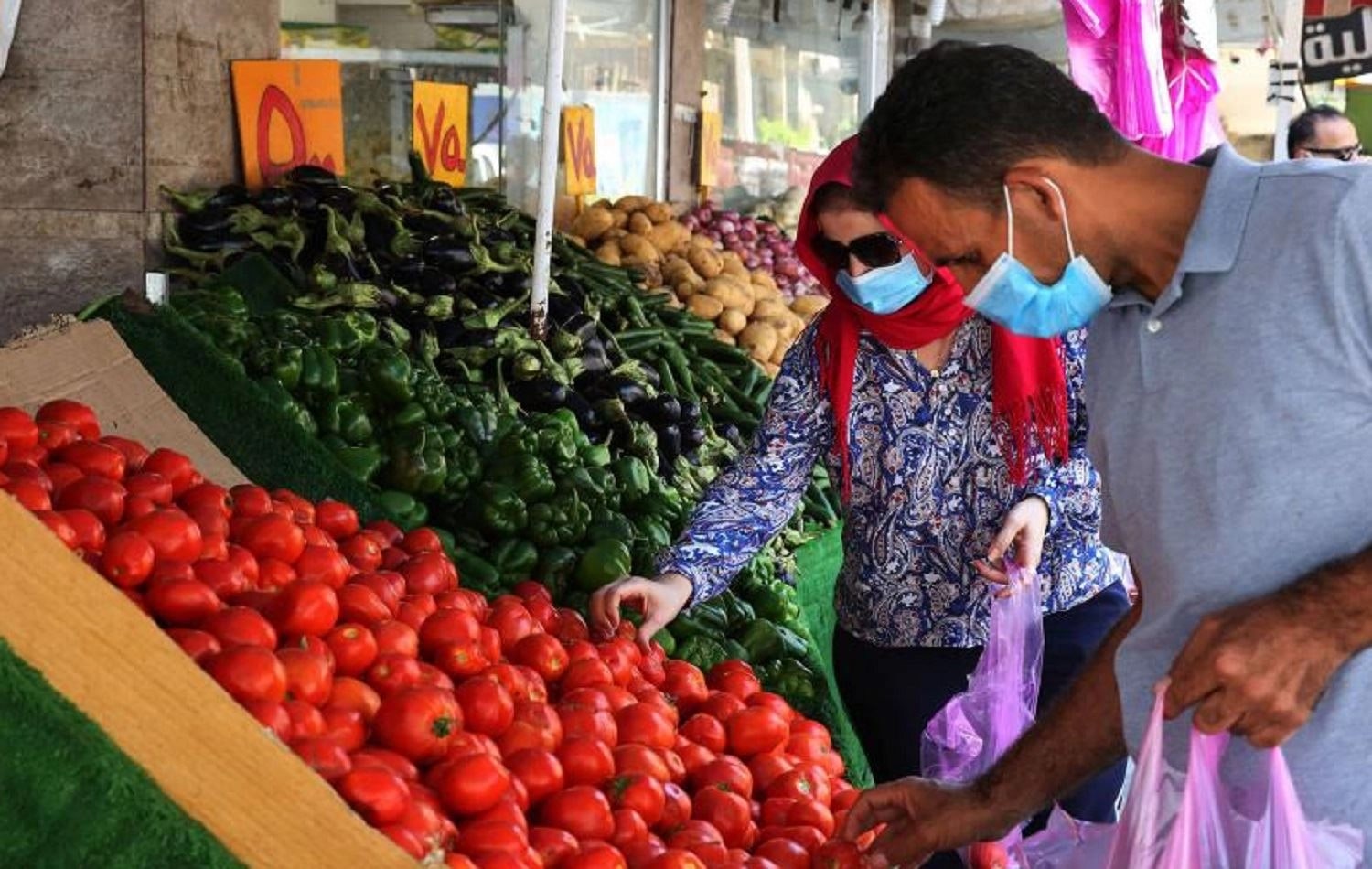
Iraqis buy fresh produce from a street seller at a market in Karrada, Baghdad in July 2020. Photo: AFP

Iraqis buy fresh produce from a street seller at a market in Karrada, Baghdad in July 2020. Photo: AFP

Iraq

Three million Iraqis don't have enough to eat: WFP rep

Sura Ali

Sura Ali

14-01-2021
Listen
0:00
0:00
Text Size

Sura Ali holds a degree in English literature from the American University of Iraq, Sulaimani. She covers Iraq, reporting from Erbil and Baghdad.

Sura Ali
Sura Ali14-01-2021

Sura Ali holds a degree in English literature from the American University of Iraq, Sulaimani. She covers Iraq, reporting from Erbil and Baghdad.

Related Articles

Iraq steps up meningitis prevention measures as cases surpass 4,300 in 2026
Iraq28-11-2026

Iraq steps up meningitis prevention measures as cases surpass 4,300 in 2026

Iraqi PM says Baghdad committed to curbing oil smuggling in Macron call
Iraq28-11-2026

Iraqi PM says Baghdad committed to curbing oil smuggling in Macron call

US reiterates support for federal Iraq, urges dialogue between Erbil and Baghdad
Iraq28-11-2026

US reiterates support for federal Iraq, urges dialogue between Erbil and Baghdad

ERBIL, Kurdistan Region — About three million Iraqis are not consuming enough food, the World Food Programme (WFP) representative in Iraq told state media on Thursday.

"About 3 million people in Iraq suffer from insufficient food consumption, and this includes 731,000 food-insecure IDPs and returnees,"  Abdulrahman Mejaj said.

The figures provided by Mejaj mean that almost half of the estimated 1.3 million Iraqis who are currently internally displaced are suffering from food insecurity.

WFP's Hunger Monitoring System found in November 2020 that around 2.6 million people – roughly seven percent of Iraq’s total population – had “insufficient levels of food consumption”.

Food insufficiency is usually due to poverty or difficulty in accessing food. Insufficient food intake can inhibit growth and cognitive development in children, who make up over 40 percent of the Iraqi population.

Iraq’s poverty rate stood at about 20 percent before the coronavirus pandemic – but UNICEF warned in July 2020 that and additional 11.7 percent of Iraqis were at risk of falling below the poverty line, because of further economic hardship caused by the coronavirus pandemic.

The World Bank warned towards the end of 2020 that the poverty rate in Iraq will increase by seven to 14 percent in the short-term because of the fall in oil prices and the negative economic effects of the pandemic – putting up to 5.5 million Iraqis are at risk of falling below the poverty lines.


Related Articles

Iraq steps up meningitis prevention measures as cases surpass 4,300 in 2026
Iraq28-11-2026

Iraq steps up meningitis prevention measures as cases surpass 4,300 in 2026

Iraqi PM says Baghdad committed to curbing oil smuggling in Macron call
Iraq28-11-2026

Iraqi PM says Baghdad committed to curbing oil smuggling in Macron call

US reiterates support for federal Iraq, urges dialogue between Erbil and Baghdad
Iraq28-11-2026

US reiterates support for federal Iraq, urges dialogue between Erbil and Baghdad

Questions