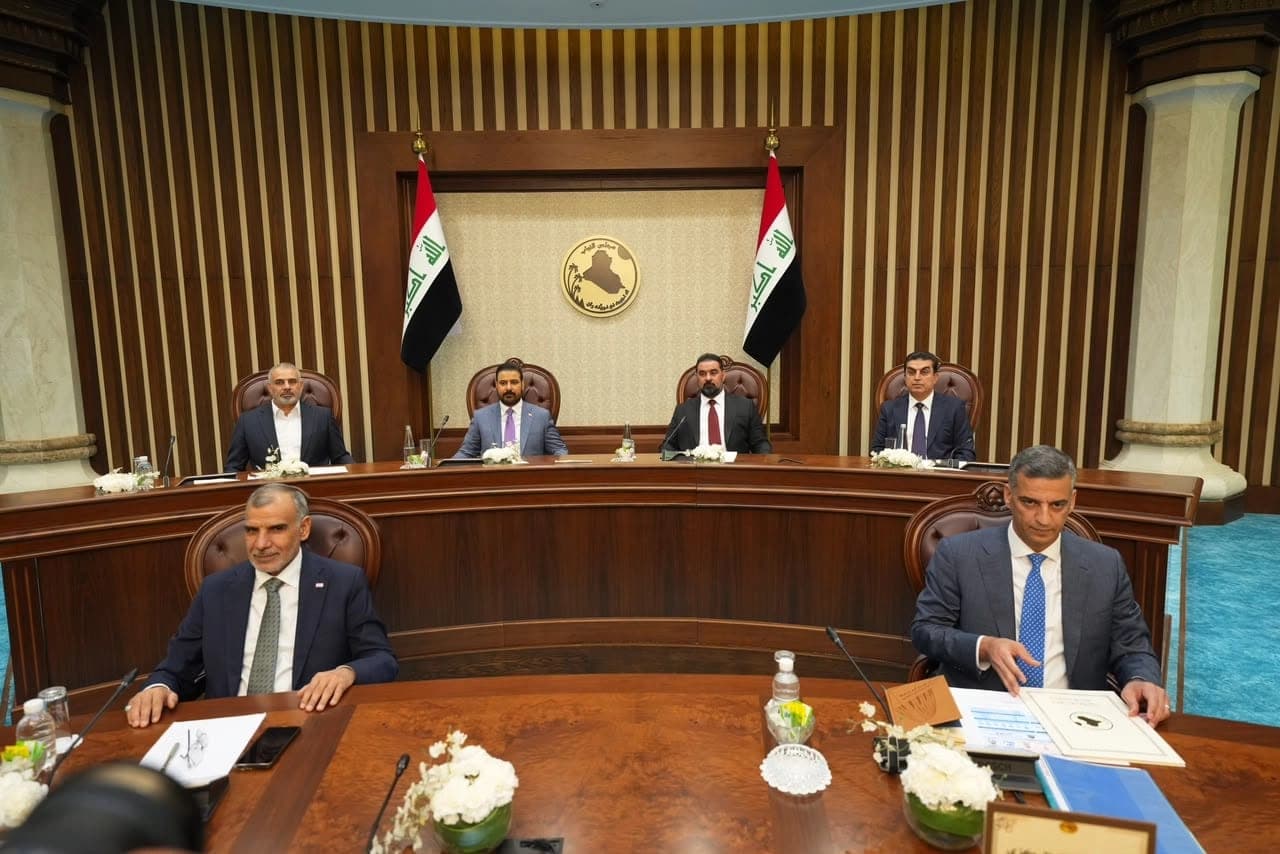
ERBIL, Kurdistan Region - The attack targeting the residence of Kurdistan Region President Nechirvan Barzani represents “worrying indicators” and attempts to destabilize Iraq, the country’s ruling Shiite Coordination Framework said late Sunday, rejecting "violations of Iraqi sovereignty" and calling for "greater vigilance."
In a statement following its regular meeting held late Sunday, the Coordination Framework highlighted the attack on President Barzani’s residence in Duhok on Saturday, warning that such acts point to efforts by external actors to create instability in the country.
“The targeting of the residence of the President of the Kurdistan Region, along with other locations, represents worrying indicators and attempts by external parties to sow confusion and destabilize the country,” the statement read.
The coalition stressed that the situation “necessitates greater vigilance and national coordination,” amid rising tensions and a series of attacks across Iraq and the Region.
The Framework’s remarks come amid the regional escalation following the February 28 US-Israeli joint military campaign against Iran, which has triggered a wave of retaliatory strikes by Tehran and its aligned armed groups across the region.
Addressing broader security and political developments, the Framework renewed its “strong rejection of the violations of Iraqi sovereignty, particularly the use of Iraqi airspace for hostile acts against neighboring countries,” the statement read.
"It emphasized the necessity of neutralizing Iraq from regional conflicts and safeguarding its independent national decision-making."
The coalition also condemned attacks on Iraq's security and military units that resulted in significant casualties over the past few weeks, noting the loss of “more than 100 martyrs.” The statement emphasized the importance of reinforcing Iraq’s security institutions and protecting key infrastructure, including diplomatic missions.
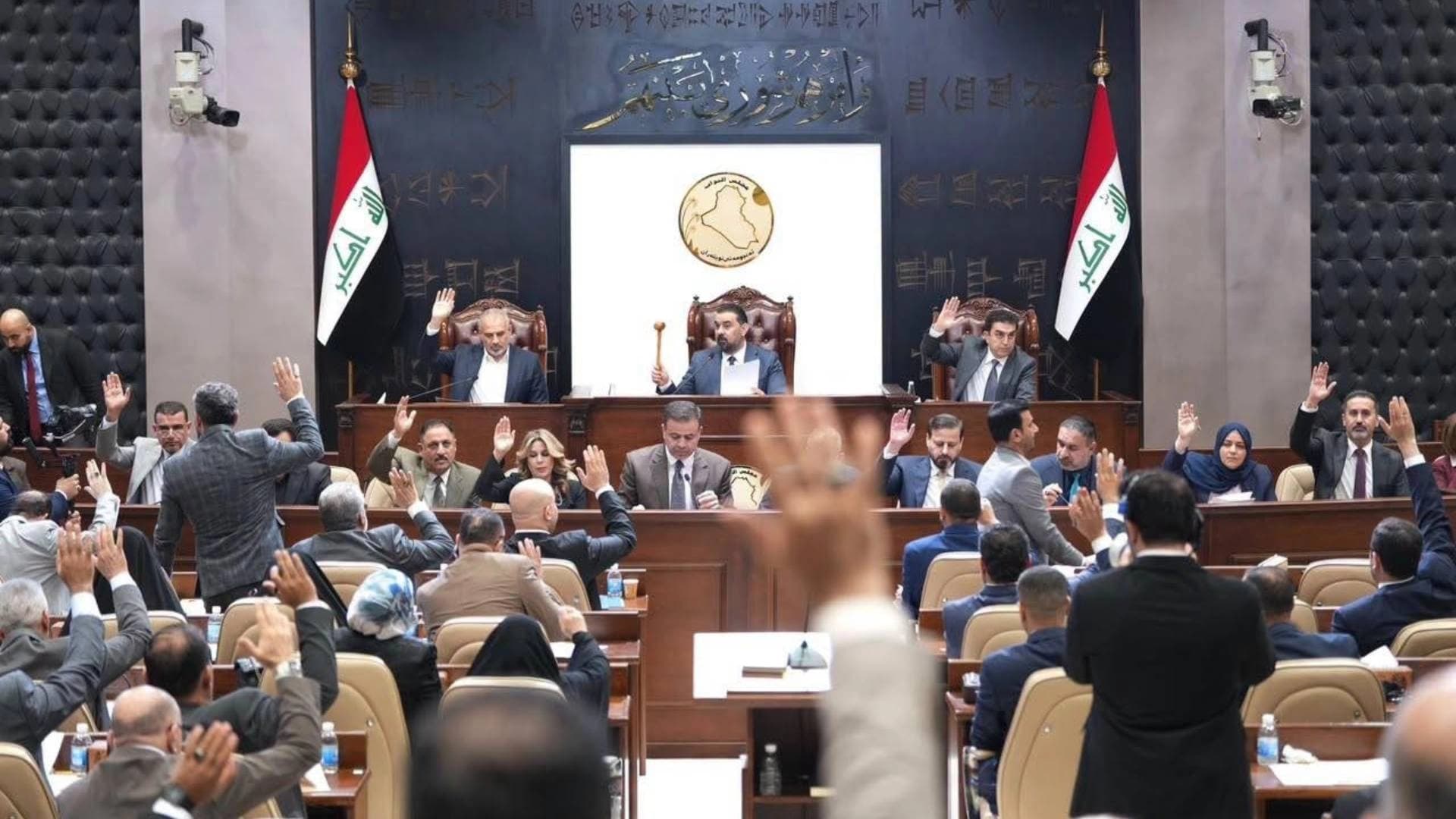
On the political front, the Coordination Framework welcomed ongoing efforts in parliament to resolve the long-delayed presidency issue, urging political forces to act swiftly. It called for finalizing the matter within the constitutional timeframe to end what it described as a “state of political paralysis.”
Iraq held parliamentary elections in November, but political parties have since failed to elect both a president and a prime minister due to ongoing disagreements.
The presidency has traditionally been held by a Kurdish figure for over two decades. The Kurdistan Democratic Party (KDP) and the Patriotic Union of Kurdistan (PUK), which secured the majority of Kurdish votes in the latest elections, are competing for the largely ceremonial post.
.jpg&w=3840&q=75)