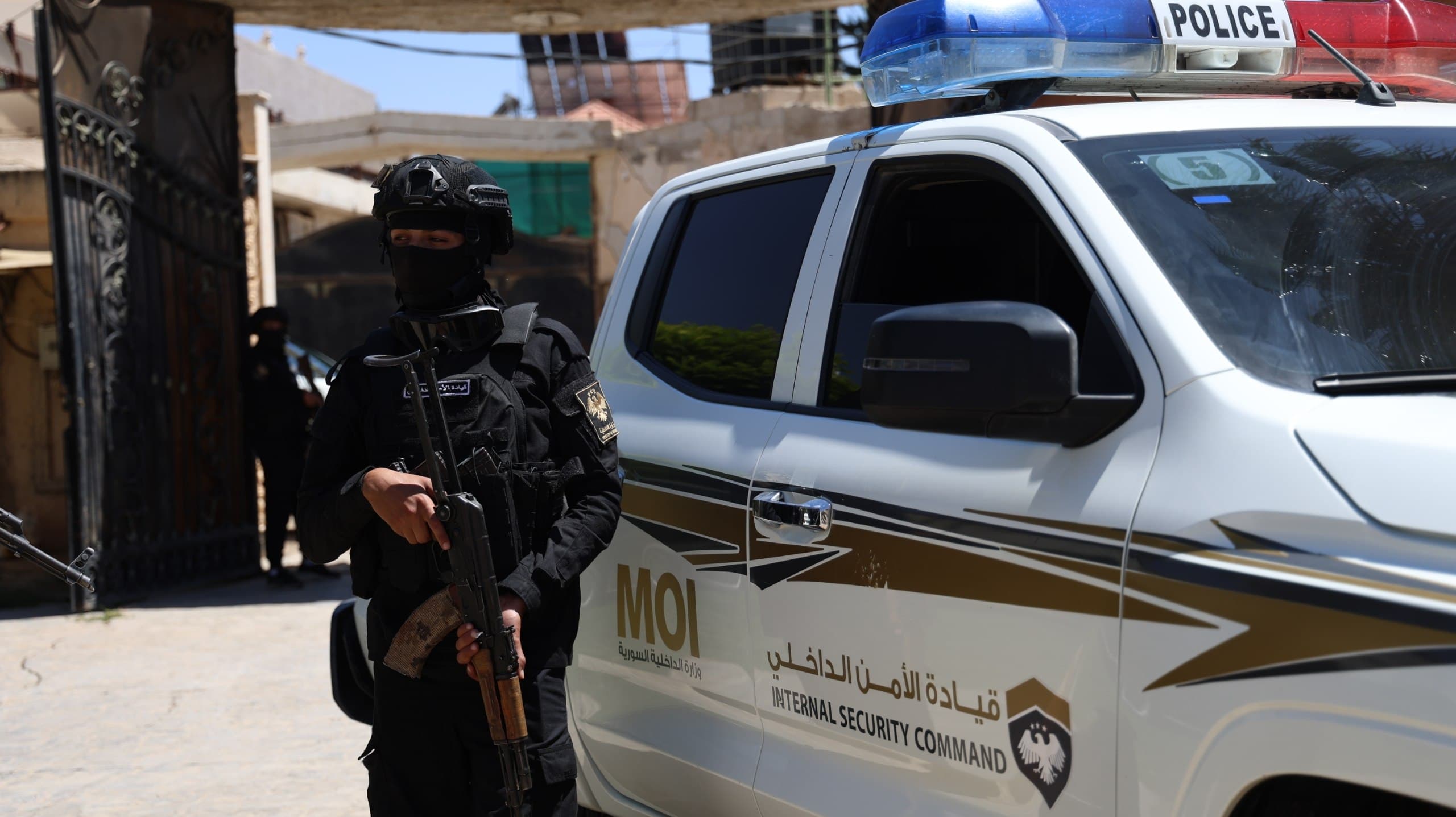
NEW YORK - UN Secretary-General Antonio Guterres told Rudaw on Tuesday that he will discuss the issue of Syria’s minorities in an upcoming meeting with interim President Ahmed al-Sharaa, stressing the need to preserve Syria’s unity and territorial integrity.
“Of course, I would raise those issues,” Guterres said, responding to a question about Syria’s minorities being on the agenda. “It is absolutely essential to preserve the unity of Syria, of course, and the territorial integrity of Syria.”
Guterres further stressed the importance that all communities in Syria “feel that their identity is respected and at the same time, they have full rights of participation in the country as a whole.”
“So this will be serious, certainly, in the center of our discussions,” he stressed.
Following a swift offensive in early December, a coalition of opposition forces - led by the now-dissolved jihadist Hay’at Tahrir al-Sham (HTS), then headed by Sharaa - toppled the regime of longtime Syrian dictator Bashar al-Assad. In late January, Sharaa was appointed interim president and pledged commitment to an inclusive political process.
However, in the following months, the interim government came under fire for several controversial decisions.
In March, Sharaa signed a constitutional declaration that centered on Islamic jurisprudence, drawing criticism from Syria’s Christian, Druze, Kurdish, and Alawite communities, who viewed it as exclusionary and centralized.
In more violent events, clashes broke out in mid-July between Druze fighters and Sunni Bedouin tribes in Syria’s southern Suwayda province. The conflict escalated further with the involvement of Syrian government forces before a ceasefire was announced on July 19.
The UK-based Syrian Observatory for Human Rights reported in late August that the death toll from the Suwayda violence had neared 2,000, including around 765 Druze civilians who were “executed in the field by defense and interior ministry forces.”
Earlier, in March, violence broke out in Alawite-majority coastal regions after Assad loyalists attacked security forces aligned with the country’s interim leadership. According to SOHR, the clashes resulted in approximately 1,700 deaths, most of them Alawite civilians. Many casualties were attributed to government or pro-government forces.
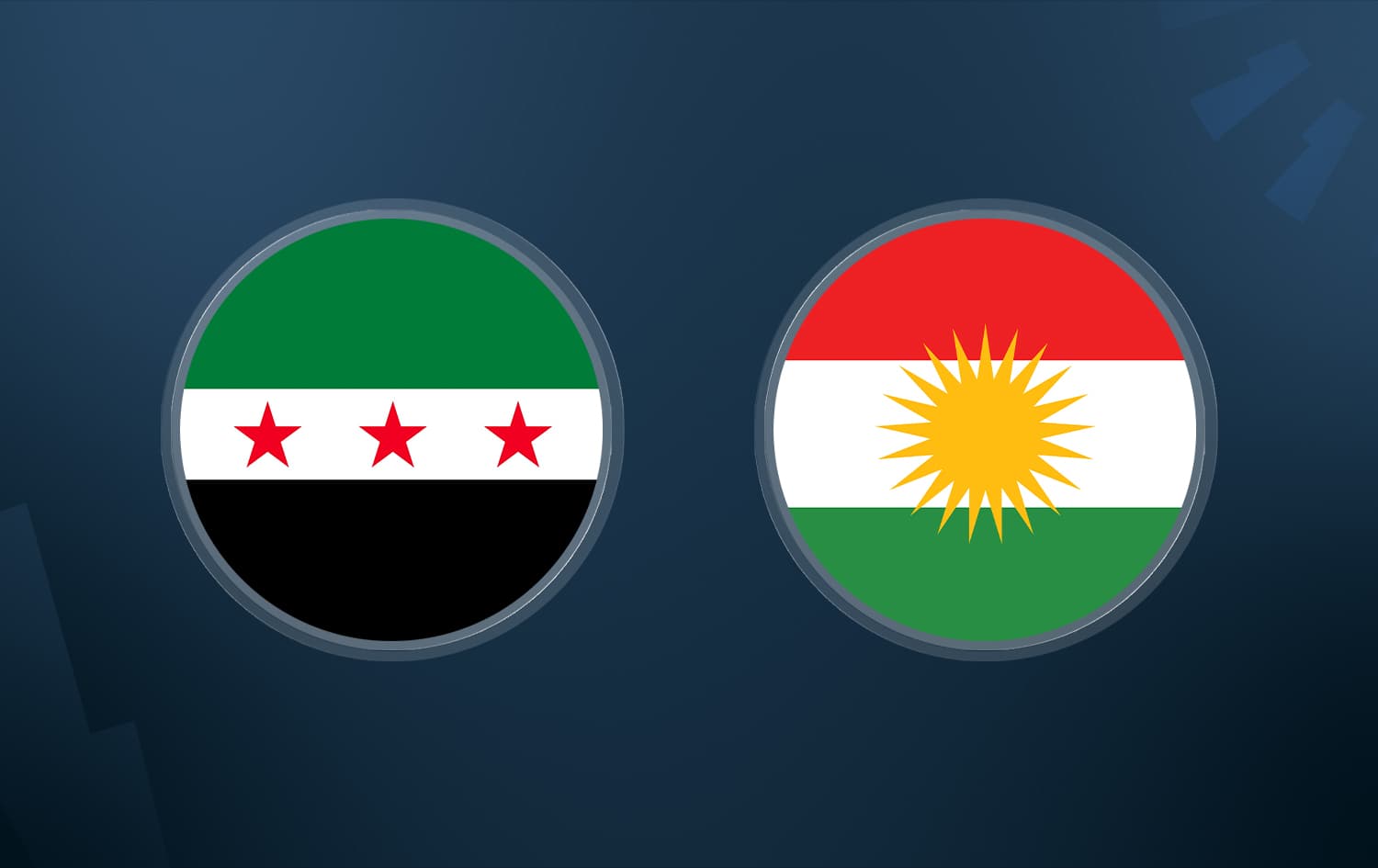
“Of course, I would raise those issues,” Guterres said, responding to a question about Syria’s minorities being on the agenda. “It is absolutely essential to preserve the unity of Syria, of course, and the territorial integrity of Syria.”
Guterres further stressed the importance that all communities in Syria “feel that their identity is respected and at the same time, they have full rights of participation in the country as a whole.”
“So this will be serious, certainly, in the center of our discussions,” he stressed.
Following a swift offensive in early December, a coalition of opposition forces - led by the now-dissolved jihadist Hay’at Tahrir al-Sham (HTS), then headed by Sharaa - toppled the regime of longtime Syrian dictator Bashar al-Assad. In late January, Sharaa was appointed interim president and pledged commitment to an inclusive political process.
However, in the following months, the interim government came under fire for several controversial decisions.
In March, Sharaa signed a constitutional declaration that centered on Islamic jurisprudence, drawing criticism from Syria’s Christian, Druze, Kurdish, and Alawite communities, who viewed it as exclusionary and centralized.
In more violent events, clashes broke out in mid-July between Druze fighters and Sunni Bedouin tribes in Syria’s southern Suwayda province. The conflict escalated further with the involvement of Syrian government forces before a ceasefire was announced on July 19.
The UK-based Syrian Observatory for Human Rights reported in late August that the death toll from the Suwayda violence had neared 2,000, including around 765 Druze civilians who were “executed in the field by defense and interior ministry forces.”
Earlier, in March, violence broke out in Alawite-majority coastal regions after Assad loyalists attacked security forces aligned with the country’s interim leadership. According to SOHR, the clashes resulted in approximately 1,700 deaths, most of them Alawite civilians. Many casualties were attributed to government or pro-government forces.
Comments
Rudaw moderates all comments submitted on our website. We welcome comments which are relevant to the article and encourage further discussion about the issues that matter to you. We also welcome constructive criticism about Rudaw.
To be approved for publication, however, your comments must meet our community guidelines.
We will not tolerate the following: profanity, threats, personal attacks, vulgarity, abuse (such as sexism, racism, homophobia or xenophobia), or commercial or personal promotion.
Comments that do not meet our guidelines will be rejected. Comments are not edited – they are either approved or rejected.
Post a comment