
ERBIL, Kurdistan Region — Syria is going through a period of “growing humanitarian suffering,” the UN special envoy to Syria warned during a UN Security Council (UNSC) briefing on Wednesday, discussing water shortages, economic crisis, and situation at refugee camps.
“It is a tragic irony that this time of relative calm, compared with earlier years of the conflict, is also a period of immense and growing humanitarian suffering of the Syrian people,” the UN special envoy to Syria Geir O. Pedersen briefed the UNSC during a videoconference.
In regard to the humanitarian situation in the country, UN Emergency Relief Coordinator Mark Lowcock addressed the water shortages in northeastern Syria.
“Reduced levels in the Euphrates have impacted nearly 5.5 million people who rely on it for drinking water and the Tishreen dam in north-eastern Aleppo governorate, which stands at less than half of the operational minimum, faces a complete shutdown,” reads the UN report released on Wednesday.
“Meanwhile downstream in ar-Raqqa governorate, water levels at the emergency backup Tabqa dam are now 80 per cent depleted,” it added.
The source of the Euphrates River lies in Turkey. The waterway meanders through Syria before entering Iraq and dumping into the sea. Ankara and Damascus signed an agreement in 1987, which dictated Turkey would send 500 cubic metres of water per second down the Euphrates and across the border.
Now, the water flow is less than 200 cubic metres per second, according to Rojava’s General Administration of Dams. The low water levels have left many crops to die and worried farmers in the area.
Clean water scarcity has led many in northeastern provinces to resort to other unclean sources of water, oftentimes with a high risk of disease.
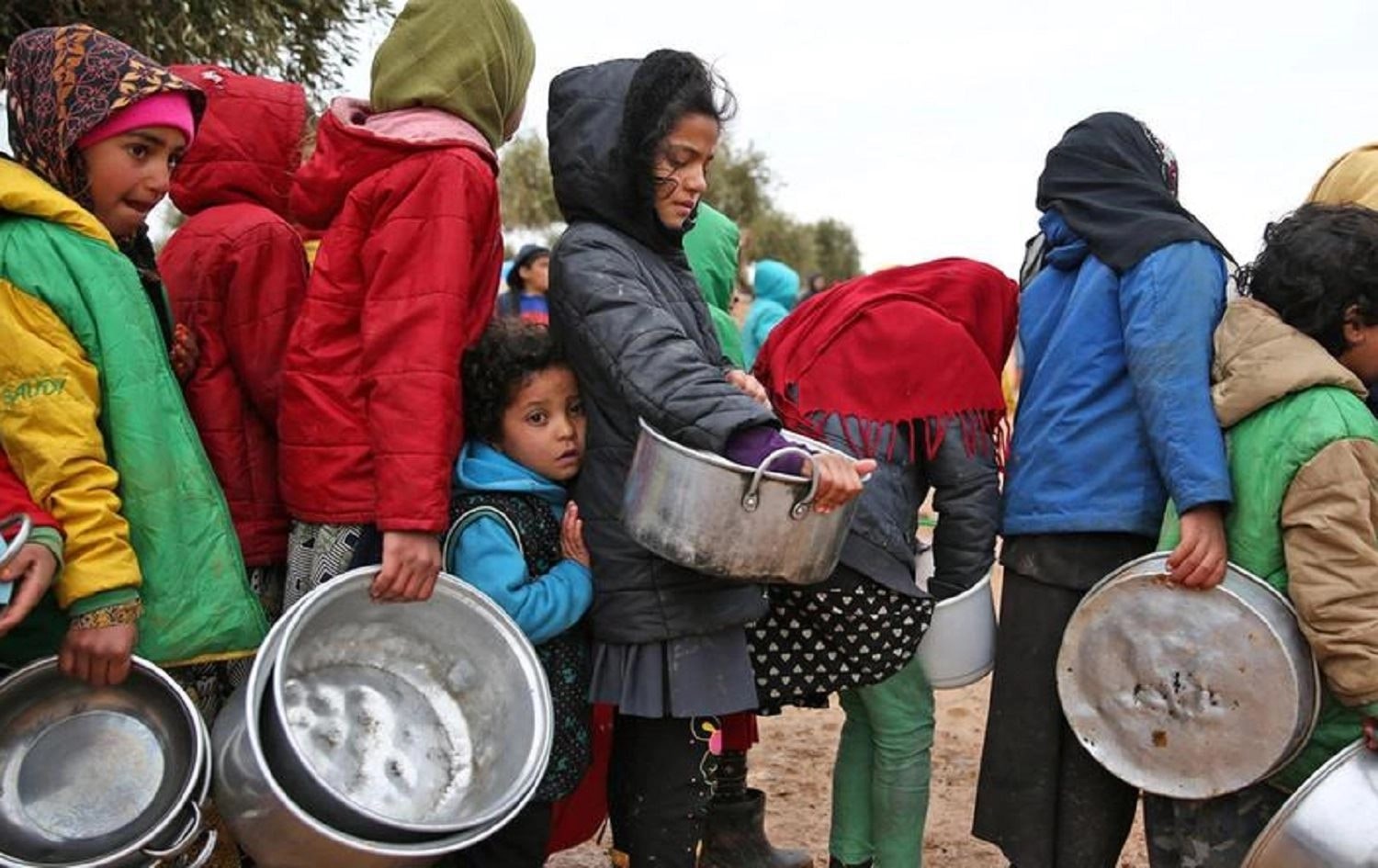
Lowcock also warned of the disastrous effects of high food prices, claiming it has left nearly 40 percent of the population unable to afford proper food “with nearly half of Syrian families surveyed saying that adults are eating less so children can eat.”
After a decade of conflict, and pummeled by US sanctions last year, the Syrian pound has plummeted in value and people are struggling to survive. According to the United Nations, nearly 90 percent of Syrians live below the poverty line and some 13.4 million people in the country need humanitarian aid.
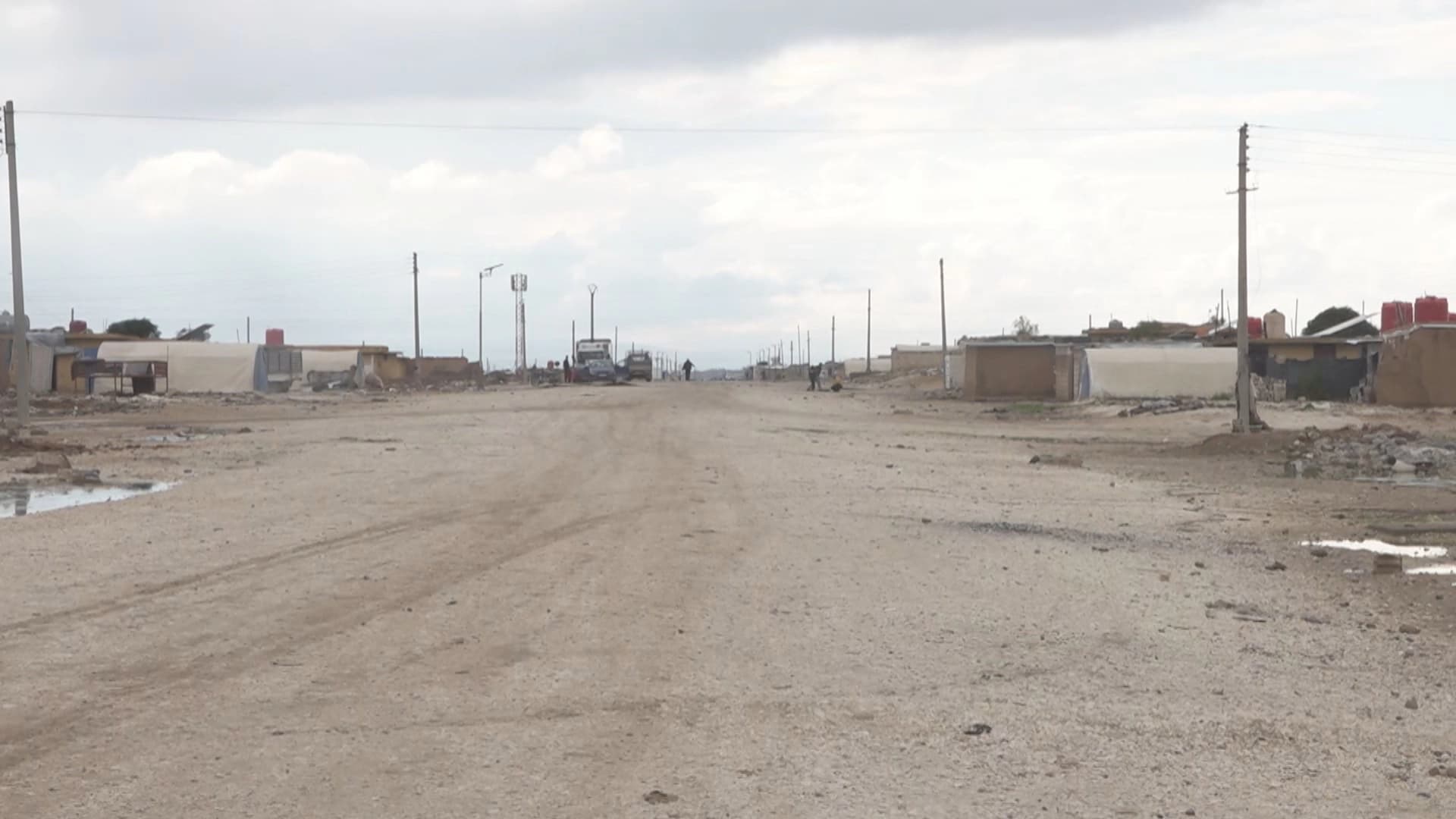
Lowcock also addressed the situation at the al-Hol camp.
While the camp has seen the exit of over 10,000 Syrian and non-Syrians over the past two years, “more than 60,000 remain, and they are living in unacceptable conditions,” the Emergency Relief Coordinator said.
“This is a camp of children,” he added. “They do deserve a future.”
Nearly one hundred ISIS-affiliated families were repatriated from al-Hol by the Iraqi government late Tuesday, despite criticism from locals and officials who see the families as a safety threat.