Dear Jeremy,
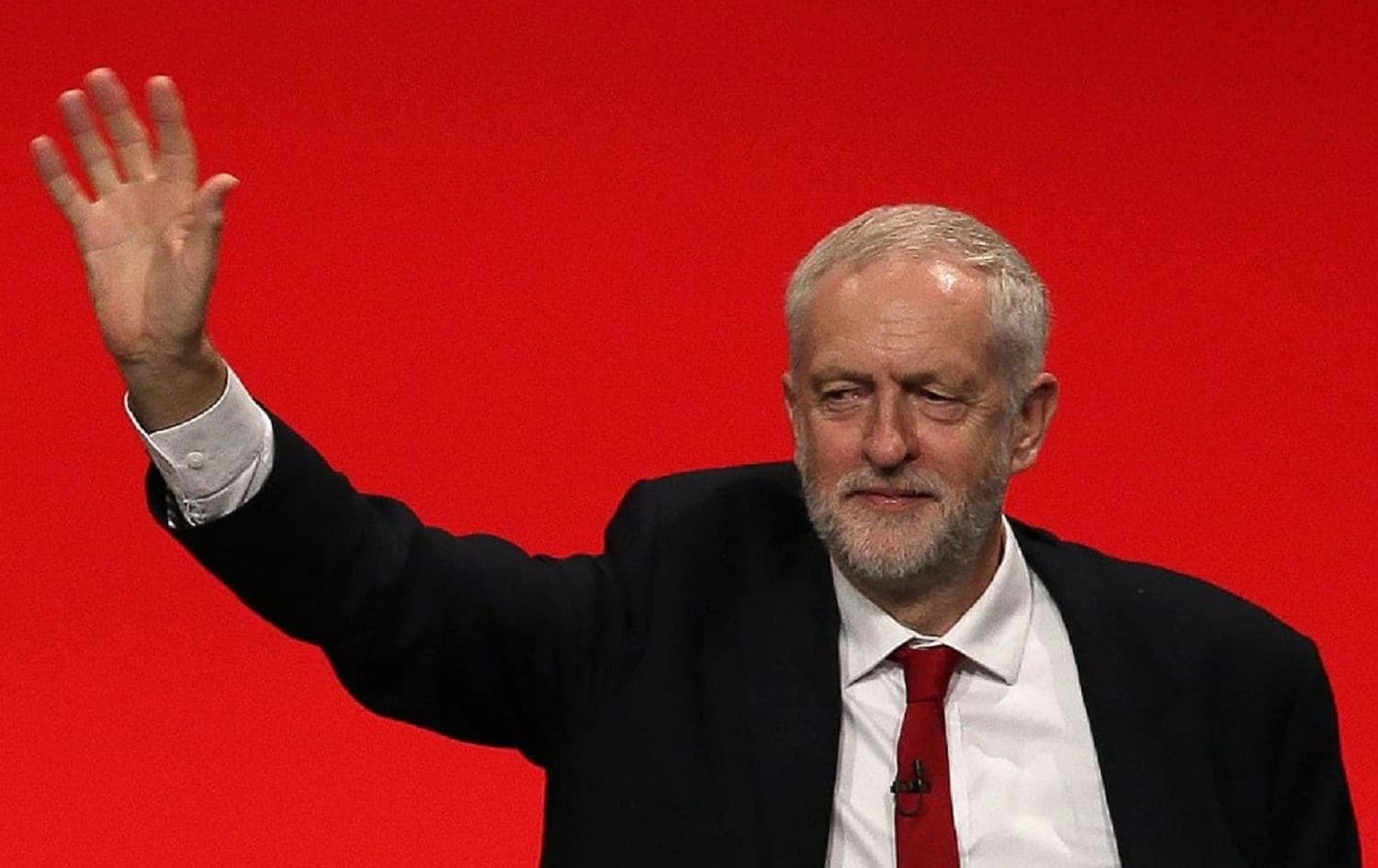
It is reported that you may visit Baghdad in your last weeks as Labour leader. As someone who has politely disagreed with you for thirty years, here are my constructive suggestions for your trip.
I don’t know if you’ve been to Baghdad since Saddam Hussein’s fall in 2003, but you did visit Kurdistan after its uprising against Saddam’s fascism in 1991. Before that, you exposed the massacre of Kurds at Halabja and later helped persuade Parliament to recognise the genocide against the Kurds.
Other interventions were less helpful for Iraq’s recovery from the legacy of dictatorship and the development of its democracy in difficult conditions. At the 2004 Labour Conference, you and the Stop the War Coalition called for the immediate withdrawal of British troops from Iraq. The main Iraqi union, of which I am an honorary member, opposed this because but they wanted a say about when troops left and feared a security vacuum.
Delegates dismissed Troops Out for a motion I helped draft that urged Labour Party members to support unions and Iraqi democracy. That remains vital.
Iraq made progress by adopting a federal constitution and peaceful, post-election transfers of power. That progress since has been limited is unsurprising, given the short time Iraq has had to transform its politics and economy. Things are much better in Kurdistan, which embraced democracy, universities, and openness to the world after Saddam’s eviction in 1991.
It would be statesmanlike to meet the widest range of people, not just those you support, and fully appraise modern Iraq. To just repeat that you were right in 2003 would be intellectually and politically useless.
Meet trade union leaders, whose huge movement was almost completely liquidated by Saddam. From 2003, unions challenged sectarianism despite great perils. Remember how terrorists tortured and executed union leader Hadi Saleh in January 2005. Sadly, Stop the War Coalition figures dismissed the “hullabaloo” about the murder of a “collaborator”, while the organisation scoffed at brave people building a new labour movement.
Visit young demonstrators in Tahrir Square who want social justice. Hundreds have been killed and injured by security forces and Shiite militias under the Iranian regime’s influence.
Troop expulsion another issue. Following the killing of Qasem Soleimani, an inquorate Iraqi parliament passed a non-binding motion on the matter - without the support of most Sunni and Kurdistani MPs. Iraqi leaders say that withdrawing foreign troops is unwise given the continuing predations of the Islamic State.
To visit Baghdad alone would deprive you of a wider understanding of today’s Iraq. Return to Kurdistan, where many respect John Major, for ensuring implementation of the no-fly zone in 1991, and Tony Blair, for what Kurdistani leaders call the “liberation” of Iraq in 2003.
A Labour Friends of Iraq delegation to Kurdistan in 2006 met union leaders from across the country, and a Communist leader also advised us to focus on encouraging British engagement. The Kurds need external skills and investment to reform and diversify their economy, and they value the UK’s political input, as I have heard repeatedly on 30 visits to Kurdistan since 2006.
They also need UK support to uphold Kurdistani rights under the federal constitution. You are seen as a supporter of the Kurds, and amplifying that message would solidify your positive image.
Iraq and the Kurdistan Region are hinges for the whole Middle East. Your visit could bolster them - not merely by rehashing past positions, but openly engaging with all views.
Gary
Gary Kent is the Secretary of the All Party Parliamentary Group (APPG) and a Fellow of Soran University. He writes this column for Rudaw in a personal capacity. The address for the all-party group is appgkurdistan@gmail.com. The views expressed in this article are those of the author and do not necessarily reflect the position of Rudaw.