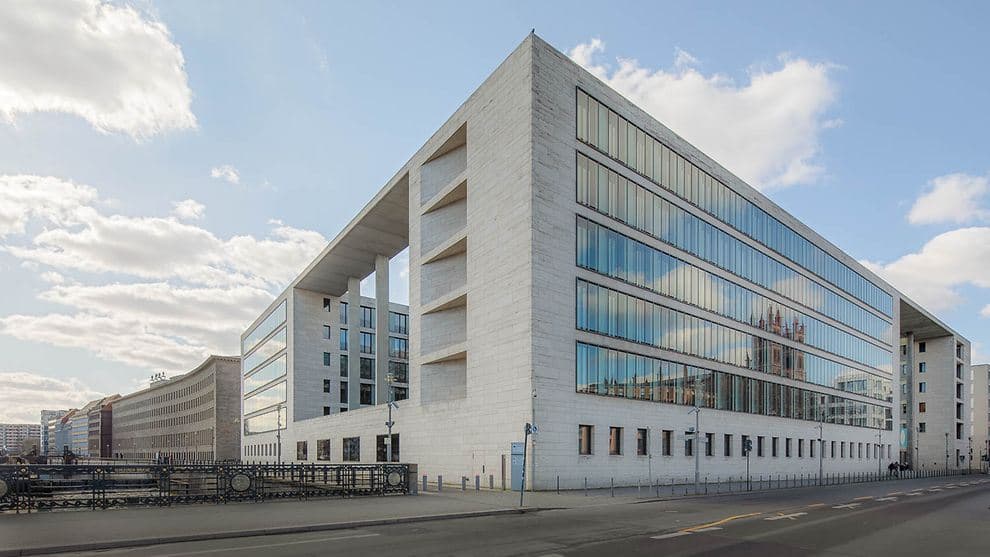

ERBIL, Kurdistan Region - Germany has ended its humanitarian aid to Iraq as of 2023, citing the country’s improved economic conditions and increased revenue from natural resources, the German foreign ministry told Rudaw on Thursday.
According to the ministry, between 2014 and 2022, Germany provided €800 million ($933 million) in humanitarian aid and €2.6 billion ($3 billion) for stabilization efforts, particularly in the aftermath of the conflict with the Islamic State (ISIS).
“Following the fall of ISIS, Germany provided extensive support to Iraq and the Kurdistan Region through humanitarian, development, and stabilization measures,” the ministry said. This included psychosocial services and rehabilitation programs for survivors of ISIS atrocities.
With the situation in Iraq now considered “improved,” Berlin no longer sees a need for continued humanitarian assistance. However, Germany remains a “close partner” to Iraq and the Kurdistan Region and will continue cooperation in key sectors such as economy and energy, the ministry asserted.
“Germany is currently supporting Iraq in the area of development and is pushing forward with civilian projects. We want to accelerate the pace of economic development and ensure energy security,” the ministry stated.
Moreover, the German government has identified climate change as a growing threat to Iraq and is working with Iraqi authorities to help the country adapt to its consequences. “We are supporting Iraq to adapt to the consequences of climate change,” the ministry noted.
According to the ministry, Berlin’s current approach now centers on transitioning from emergency humanitarian support to long-term development, with the aim of “giving more responsibility to Iraqi parties,” the ministry concluded.
Key German institutions such as the German Agency for International Cooperation (GIZ) and the Kreditanstalt fur Wiederaufbau (KfW) development bank will continue to operate in Iraq to support this transition.
Kehy Mahmoud contributed to this report.