
ERBIL, Kurdistan Region - US President Donald Trump announced on Thursday that Israel and Lebanon have agreed to a 10-day ceasefire “in order to achieve peace,” noting that the truce will begin at midnight.
“It has been my honor to resolve nine wars across the world, and this will be my tenth,” Trump said on Truth Social, adding that he held “excellent conversations” with Israeli Prime Minister Benjamin Netanyahu and Lebanese President Joseph Aoun.
Israel and Lebanon held their first high-level direct peace talks in more than 30 years on Tuesday, with the US, which mediated the meeting, describing the discussions as “productive.”
Ending Israel’s attacks on Lebanon has been a key sticking point in the Pakistan-brokered ceasefire between Iran and the United States. Washington and Tel Aviv have argued that Hezbollah - an Iranian-backed group - was not included in the scope of the agreement, while Tehran has maintained the opposite.
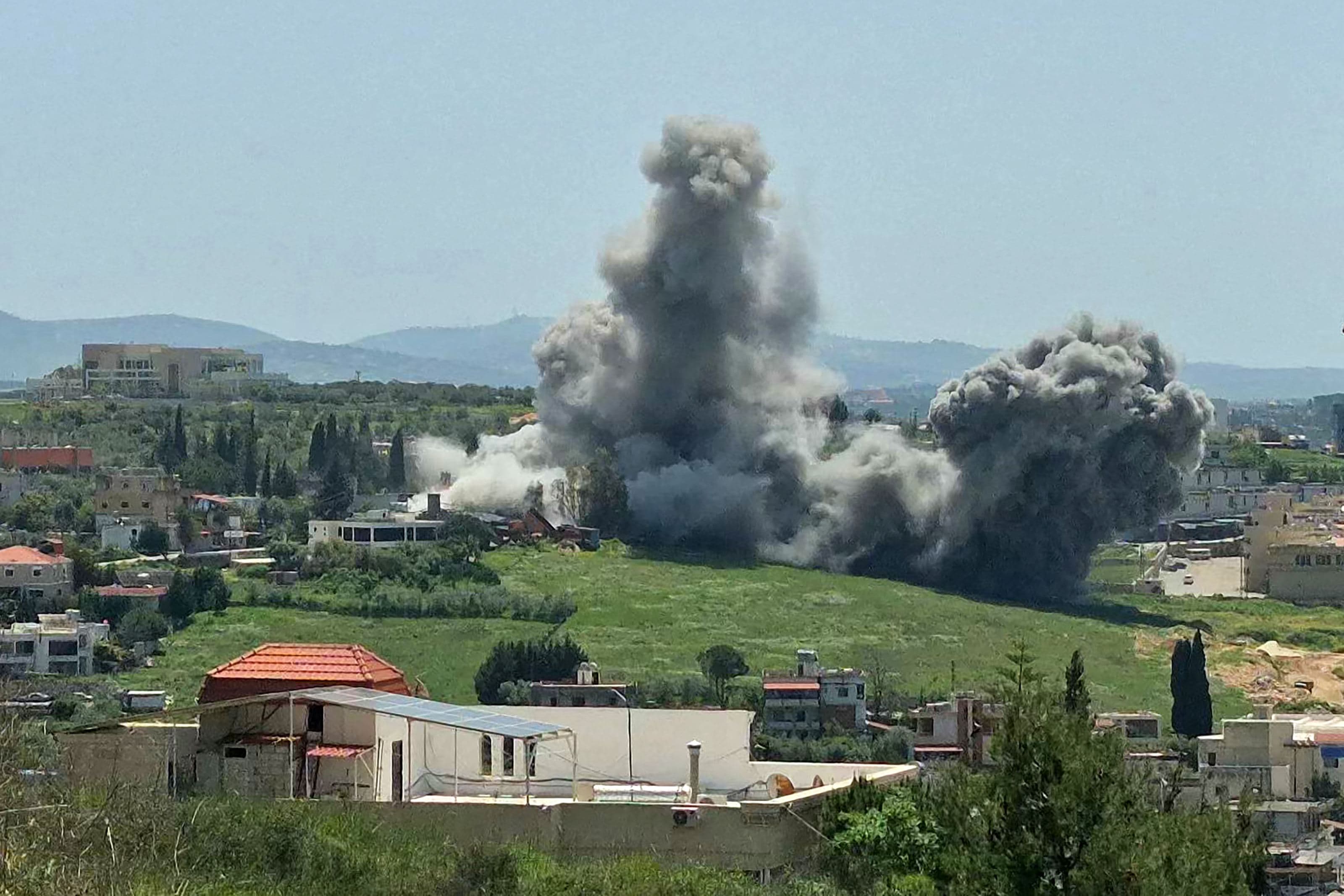
Hours after announcing the US-Iran ceasefire - which brought a fragile end to a six-week war - Israel launched Operation Eternal Darkness, carrying out around 100 airstrikes on southern Lebanon and the suburbs of Beirut. The strikes killed more than 350 people, according to Lebanon’s health ministry.
Israel has remained determined to disarm Hezbollah and establish a buffer zone in southern Lebanon.
“Israel is not a party to any agreement that prevents us from securing our northern border,” Netanyahu said on April 8, following the announcement of the US-Iran ceasefire.
Tel Aviv adopted this firm stance after Hezbollah launched approximately 200 rockets at Israel in the early days of the coordinated US-Israel campaign against Iran.
Meanwhile, Lebanese Prime Minister Nawaf Salam appealed to the “great powers” to halt what he described as “indiscriminate slaughter,” stressing that the Lebanese state does not control the military decisions of either Hezbollah or Israel.
International reaction has been tense. French President Emmanuel Macron issued a stern warning over Israeli strikes, cautioning that excluding Lebanon from the ceasefire risks setting a “dangerous precedent” in which civilian populations are sacrificed for regional political deals.
Updated at 07:40 pm