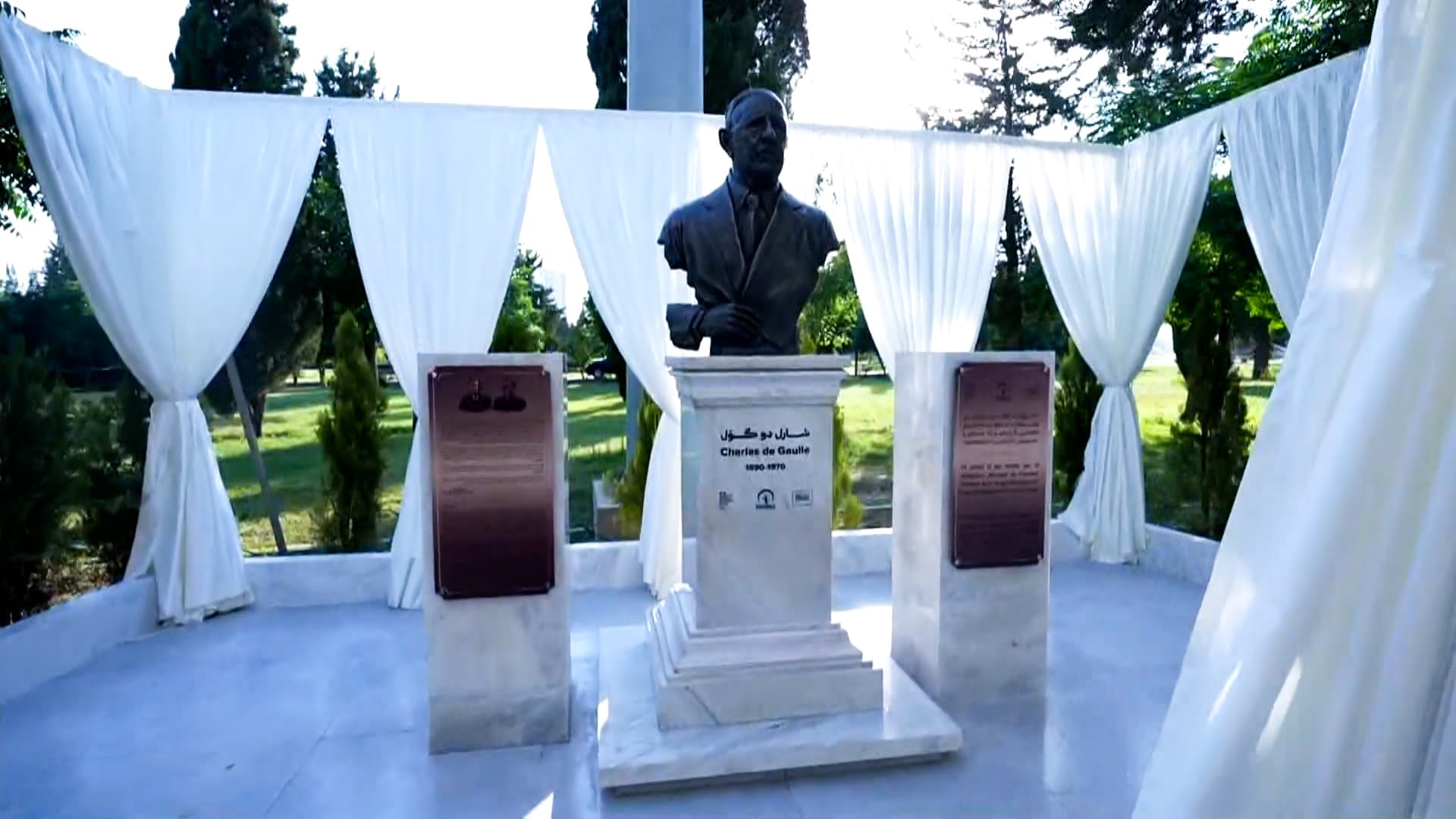
Many celebrated the holiday at the main public park in Sulaimani on Friday.
"No one is working on Fridays, because it's a public day off. Therefore, we all gather at this place to talk to each other and play around a little bit. It is also a chance to meet everyone here, it is like a meeting," said Roshene Kama, an expatriate from Nepal.
Many people from Nepal, China, Indonesia, India, Bangladesh and the Philippines live in the Kurdistan Region and follow different faiths including Christianity, Buddhism, Hinduism, and Islam.
This the holiday will be observed on Tuesday, February 5. It is also called the Chinese New Year.
"Today we are celebrating Losar and we all are dressed in Nepalese clothing. And it is our most important part of our festivals. We are out of our country, but we celebrate the festival because we all are Nepalese and that's why we celebrate. I think it is really entertaining people," said Nima Sherpa who is from Nepal.
The main city park is Bakhi Gshty. It is located in the shadows of the main bazaar and renowned for its statues of great Kurdish writers and intellectuals.
"Every Friday I come to the centre, to the public park to sit down and have a rest. The weather is nice here, for eating. Then, I walk to the market, and that's it. Only on Fridays," said Fang Yu, a Chinese expatriate.
Many from the East Asian countries share their cuisines, customs, and traditions. It is estimated that more than 20,000 expatriates reside in the Kurdistan Region.
Reporting by The Associated Press
.jpeg&w=3840&q=75)