


ERBIL, Kurdistan Region - The two major ruling parties in the Kurdistan Region are yet to decide on the post of Iraq's presidency, a position held by the Kurds since 2005.
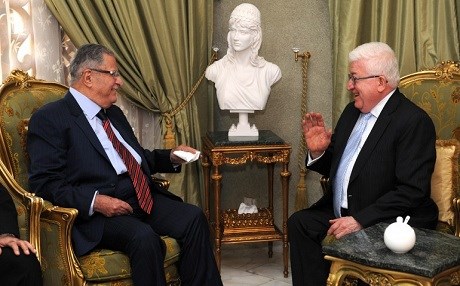
The Patriotic Union of Kurdistan (PUK) has been holding the presidency since 2005 through former President Jalal Talabani and his successor Fuad Masum.
Harem Kamal Agha, a member of PUK’s negotiations committee in Baghdad told Rudaw that his party intends to retain the post but through “agreements with KDP and other parties,”
Agha said that the priority for the PUK is not governmental posts in Baghdad but "Kurdish rights".
The position “has been for the Patriotic Union of Kurdistan in the past as a result of agreements with the KDP and other parties," Agha said. "To regain the post, the PUK will surely sign agreements with the KDP and other parties to create a balance in Baghdad and the Kurdistan Region."
"The important thing is that we prioritize our national rights,” he maintained.
Following the ratification of the results of the May 12 elections, Iraqi political parties have intensified their efforts to form a coalition though no party has succeeded so far.
Ali Hussein, a KDP leadership member, told Rudaw that the post of the president or others shouldn't be an issue for Kurdish parties in Baghdad so long as they enter negotiations with their Iraqi counterparts on a united agenda.
“The KDP and PUK have discussed are a number of principles for negotiations and their doors are open to other parties as well," he said. "Fortunately some of these parties have shown readiness to resume talks after Eid."
"I do not think that positions will be an issue between KDP, PUK or other parties," Hussein said. "We can reach a conclusion through dialogue and understanding taking into consideration our interests in Iraq.”
Comments
Rudaw moderates all comments submitted on our website. We welcome comments which are relevant to the article and encourage further discussion about the issues that matter to you. We also welcome constructive criticism about Rudaw.
To be approved for publication, however, your comments must meet our community guidelines.
We will not tolerate the following: profanity, threats, personal attacks, vulgarity, abuse (such as sexism, racism, homophobia or xenophobia), or commercial or personal promotion.
Comments that do not meet our guidelines will be rejected. Comments are not edited – they are either approved or rejected.
Post a comment