


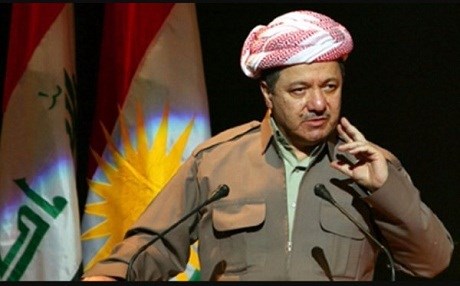
ERBIL, Kurdistan Region - Kurdish leader Masoud Barzani, in a message commemorating the 33rd anniversary of the Barzanian genocide, said that the only way to pay true tribute to those who were killed is the "fulfillment of independence and freedom for the Kurdish nation."
"The most suitable answer to the sacrifices and consecutive catastrophes against our nation and the truest loyalty to the blood of our martyrs is the fulfillment of independence and freedom for the Kurdish nation."
The regime of Saddam Hussein in 1983 forcefully took 8,000 elderly and young members of the Kurdish Barzani tribe between the ages of 9 and 90 to the central and southern deserts of Iraq and killed them. This crime was one in a series of atrocities the Kurdish people have suffered, said Barzani in his message released on Sunday.
Kurds have suffered many other tragedies over the years, Barzani noted. Among them "the missing 12,000 Feyli Kurds, Garmyan Anfal, Halabja chemical bombardment, Arabization process, relocation of Kurdish families, and terrorist attacks against our Yezidi sisters and brothers."
He described these catastrophes as outrageous, but "freedom and independence deserves our sacrifices and to achieve independence, sacrifice is the least" we can offer.
"As a Barzani, I feel proud that the Barzanis have sacrificed for the freedom and independence of the Kurdish nation. They have suffered plights and persecutions. I am proud of this creed that I have grown up on. It is a creed which never accepts tyranny or subjugation."
On the anniversary of the Barzanian Anfal, the Kurdish president said, "I find it necessary to extend my gratitude to the people of the Erbil plain, Harir and Soran, who during the dark days shared the Barzanis’ plights with them and have considered the Barzanis’ suffering as their own."
The Anfal campaign is the genocide carried out against the Kurdish people by the now-outlawed Baath regime in the final stages of the Iran–Iraq War in the 1980s. The campaign takes its name from Surat al-Anfal in the Qur'an, which was used as a code name by the former Iraqi Baathist government for a series of systematic attacks against the Kurdish population of northern Iraq.
Comments
Rudaw moderates all comments submitted on our website. We welcome comments which are relevant to the article and encourage further discussion about the issues that matter to you. We also welcome constructive criticism about Rudaw.
To be approved for publication, however, your comments must meet our community guidelines.
We will not tolerate the following: profanity, threats, personal attacks, vulgarity, abuse (such as sexism, racism, homophobia or xenophobia), or commercial or personal promotion.
Comments that do not meet our guidelines will be rejected. Comments are not edited – they are either approved or rejected.
Post a comment