کوردیKURDÎENGLISHTÜRKÇEعربي
Rudaw Logo
Live
Kurdistan
Middle East
OpinionsAnalysisWorldECONOMYInterviewCultureMultimedia
Live
Rudaw

Download the Rudaw app

App StoreGoogle Play
Privacy Policy•Terms of Use

© 2026 All rights reserved.

Rudaw

Download the Rudaw app

App StoreGoogle Play
Privacy PolicyTerms of Use

© 2026 All rights reserved.

An Iraqi man walks on a dry field in an area affected by drought in the Mishkhab region, central Iraq, some twenty-five kilometres from Najaf. Photo: Haidar Hamdani / AFP

An Iraqi man walks on a dry field in an area affected by drought in the Mishkhab region, central Iraq, some twenty-five kilometres from Najaf. Photo: Haidar Hamdani / AFP

middleeast

Water crisis: Iraqi farmers cultivate 50% less land than previous summer

RUDAW English

RUDAW English

04-08-2018
Listen
0:00
0:00
Text Size
RUDAW English
RUDAW English04-08-2018

Related Articles

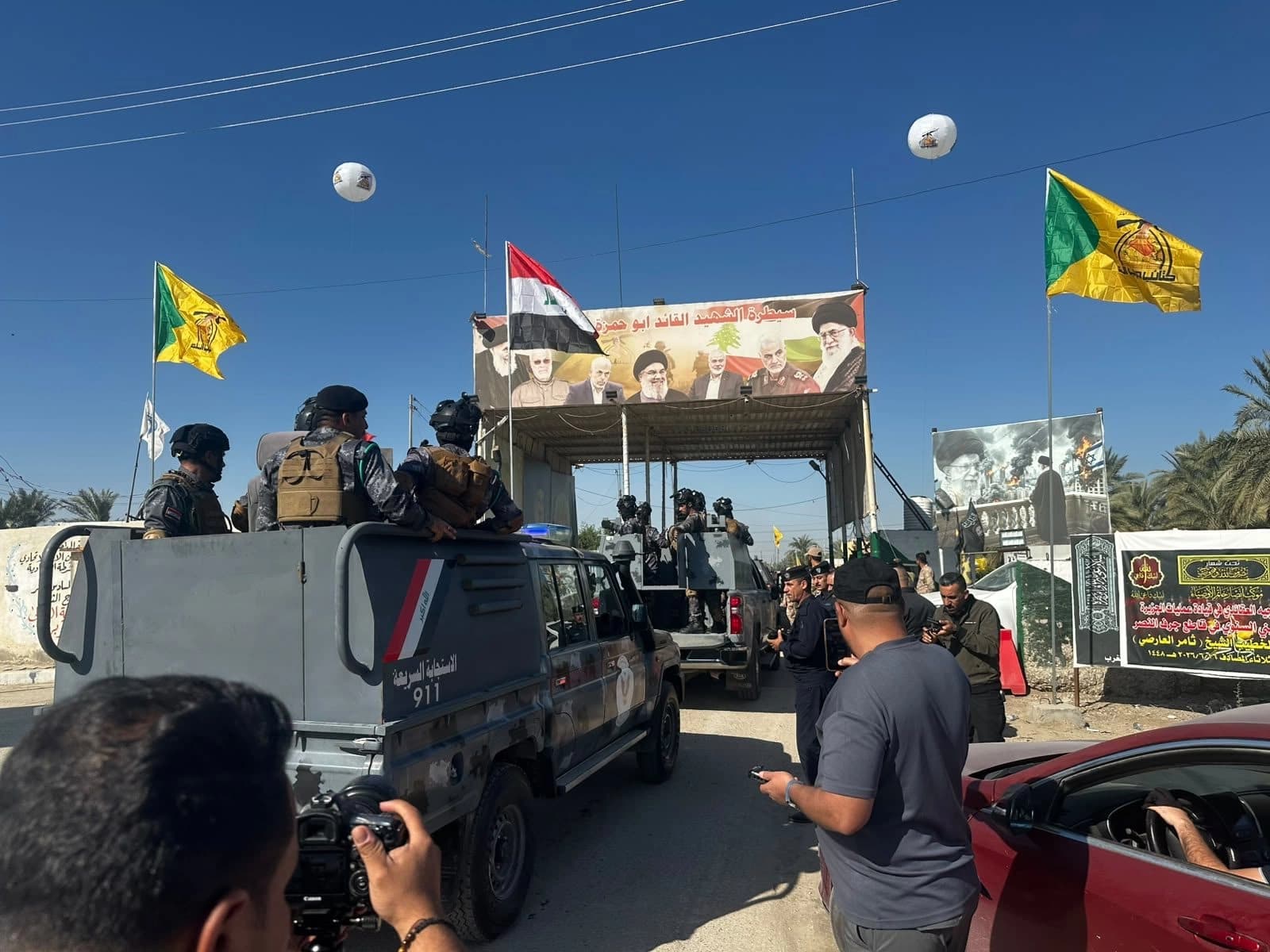
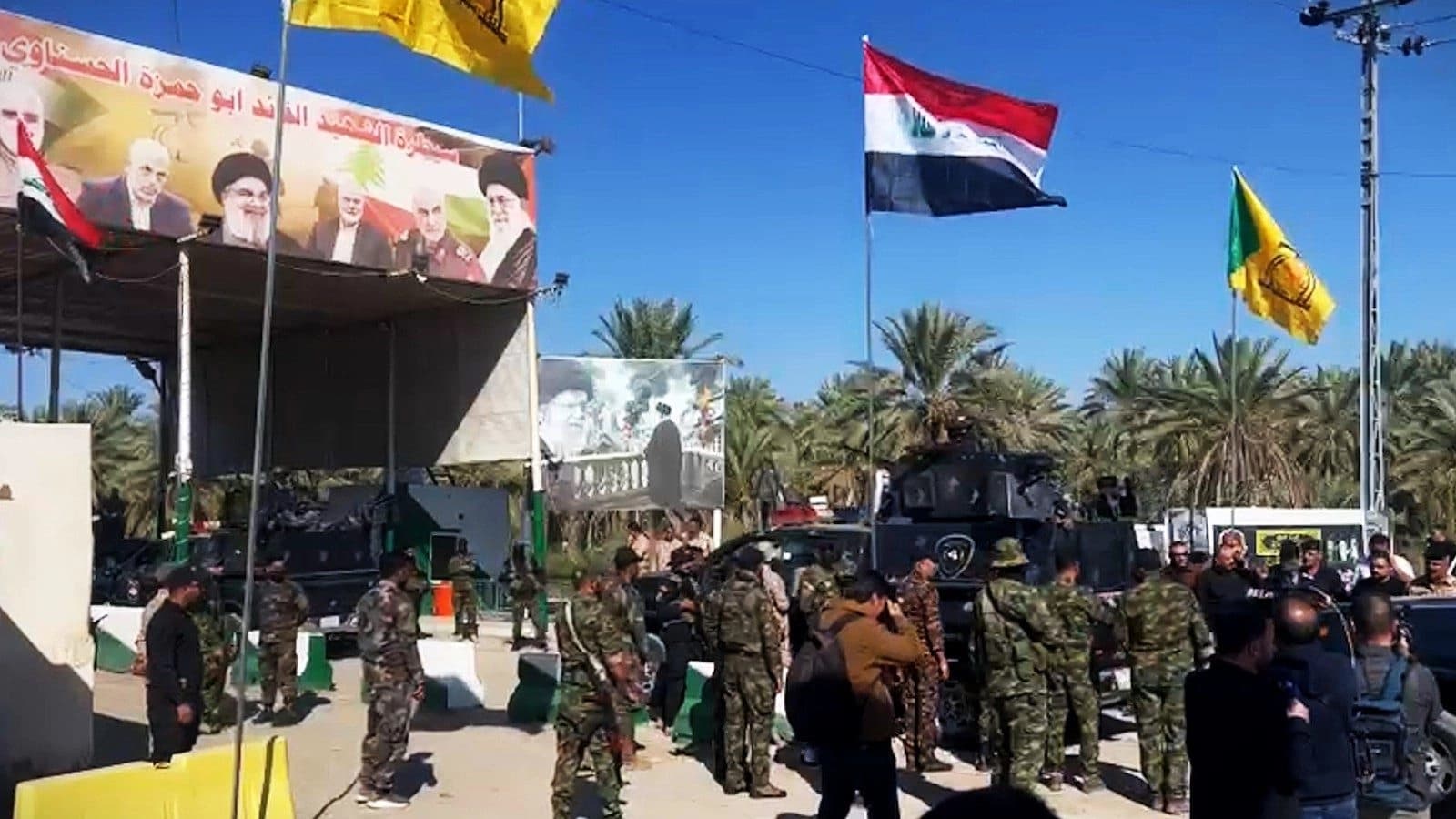
Why Kata’ib Hezbollah backed away from confrontation over Jurf al-Sakhr
Analysis20-11-2026

Why Kata’ib Hezbollah backed away from confrontation over Jurf al-Sakhr

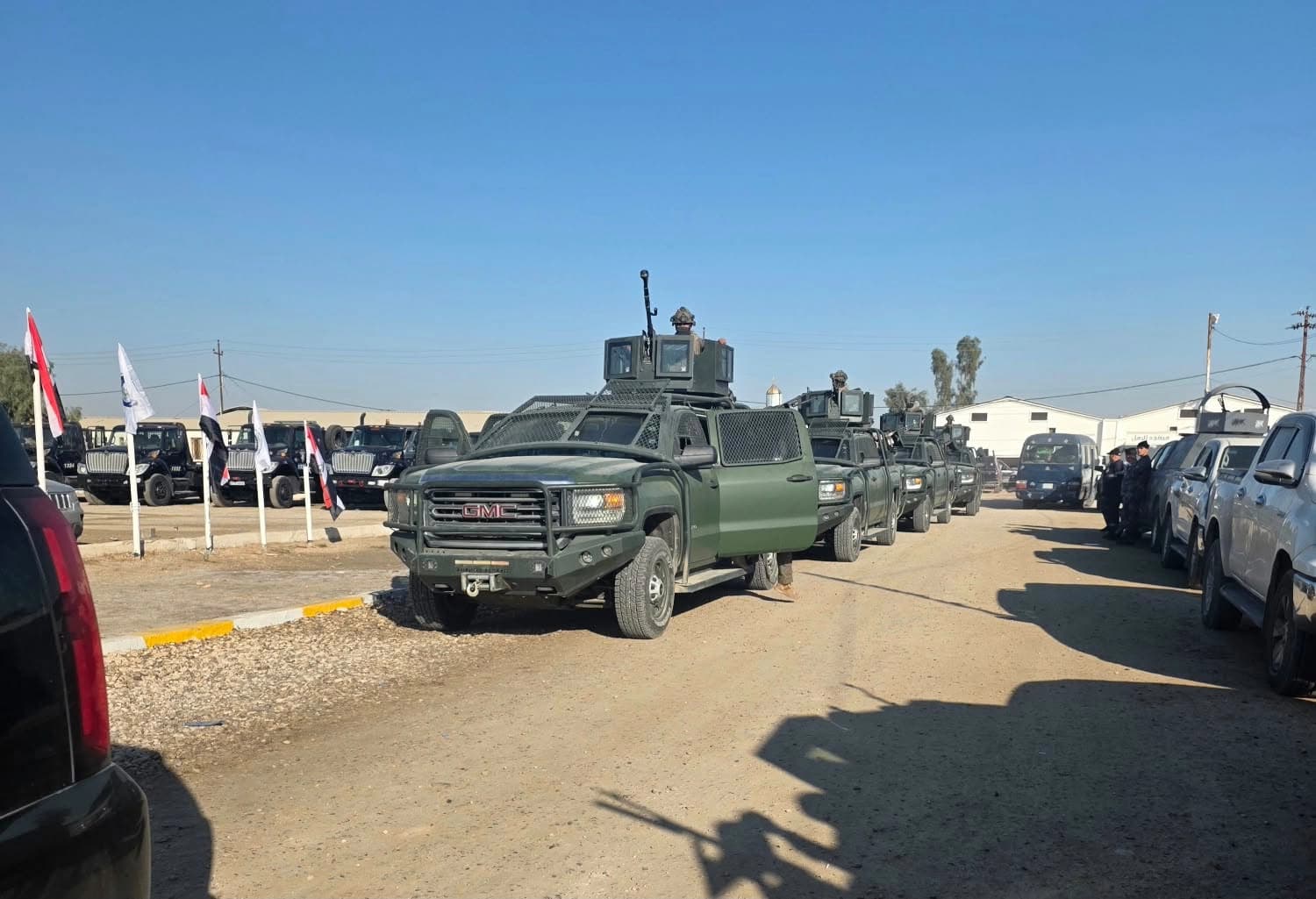
Iraqi forces enter Kata’ib Hezbollah stronghold
Iraq20-11-2026

Iraqi forces enter Kata’ib Hezbollah stronghold

Iraqi forces establish command center in Kata’ib Hezbollah stronghold, road to reopen Saturday
Iraq20-11-2026

Iraqi forces establish command center in Kata’ib Hezbollah stronghold, road to reopen Saturday

ERBIL, Kurdistan Region – Iraq’s water crisis, caused by natural and manmade factors, has led to a 50 percent fall in cultivated land this summer compared to the same period in 2017, according to an agriculture ministry official. 

“If we take the cultivated area for 2018, it is down 50 percent compared to 2017,” Deputy Agriculture Minister Mahdi al-Qaisi told AFP on Saturday. 

This summer, Iraq’s agriculture ministry called for a temporary ban on water-intensive crops like rice, corn, sesame, and sunflowers because “the quantities of water needed for these cereals are not available”.

Kurdistan Region officials have not abided by the ban, pointing out the Region is not suffering shortages to the same extent as southern provinces. 


The water shortages are largely blamed on Turkey’s controversial Ilisu Dam project on the Tigris River. The massive hydropower dam has been under construction for over two decades.

Iraq is heavily dependent on water sources that originate from beyond its borders, yet it uses significantly more water than its neighbors in Syria and Turkey – largely because of poor infrastructure after decades of conflict, outmoded irrigation, and the prevalence of water-intensive crops.

About 70 percent of Iraq’s water comes from the Euphrates and Tigris rivers. 

The Middle East is an inherently dry zone. It has been in severe drought for at least seven years and climate change is making the situation worse. 

Protests over water shortages among other grievances in southern Basra province this summer have turned deadly.
Related Articles

Why Kata’ib Hezbollah backed away from confrontation over Jurf al-Sakhr
Analysis20-11-2026

Why Kata’ib Hezbollah backed away from confrontation over Jurf al-Sakhr

Iraqi forces enter Kata’ib Hezbollah stronghold
Iraq20-11-2026

Iraqi forces enter Kata’ib Hezbollah stronghold

Iraqi forces establish command center in Kata’ib Hezbollah stronghold, road to reopen Saturday
Iraq20-11-2026

Iraqi forces establish command center in Kata’ib Hezbollah stronghold, road to reopen Saturday

Questions