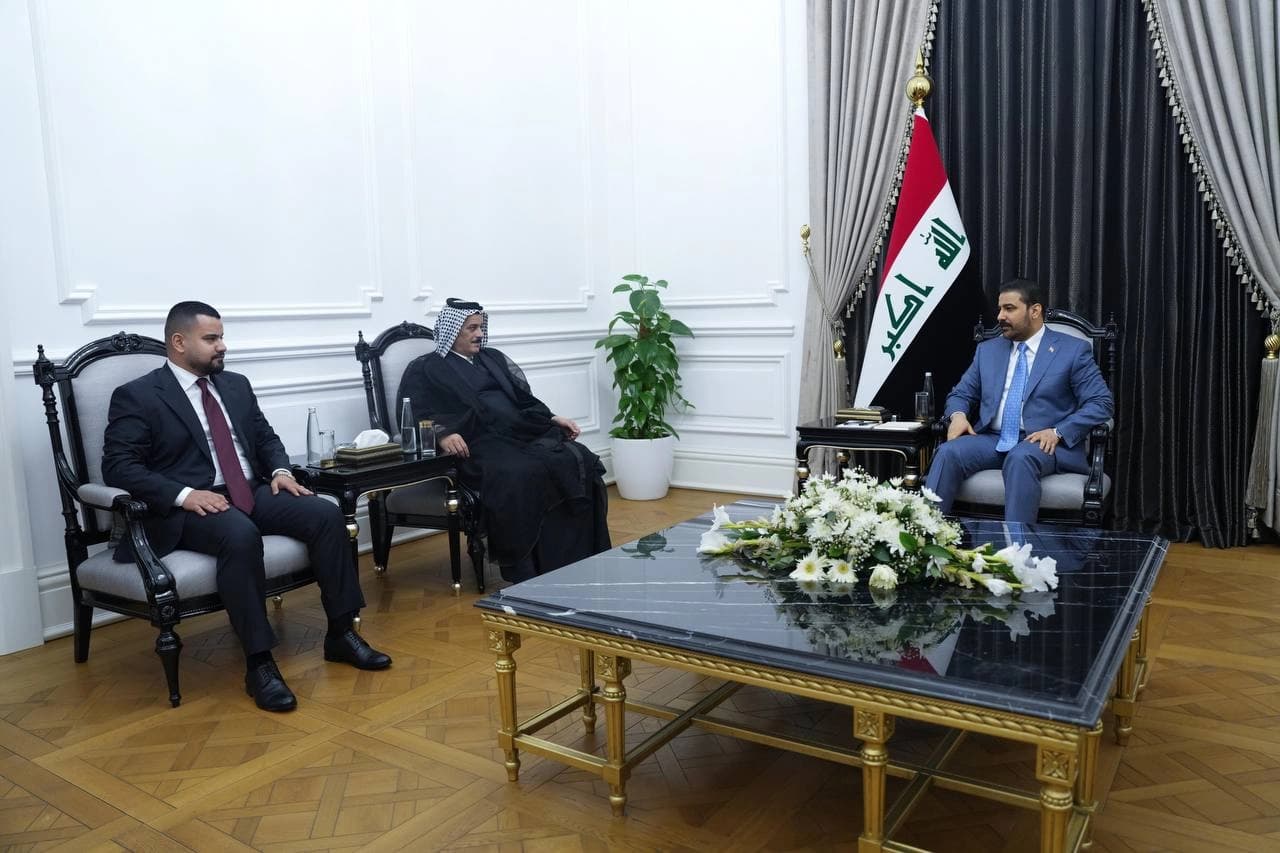
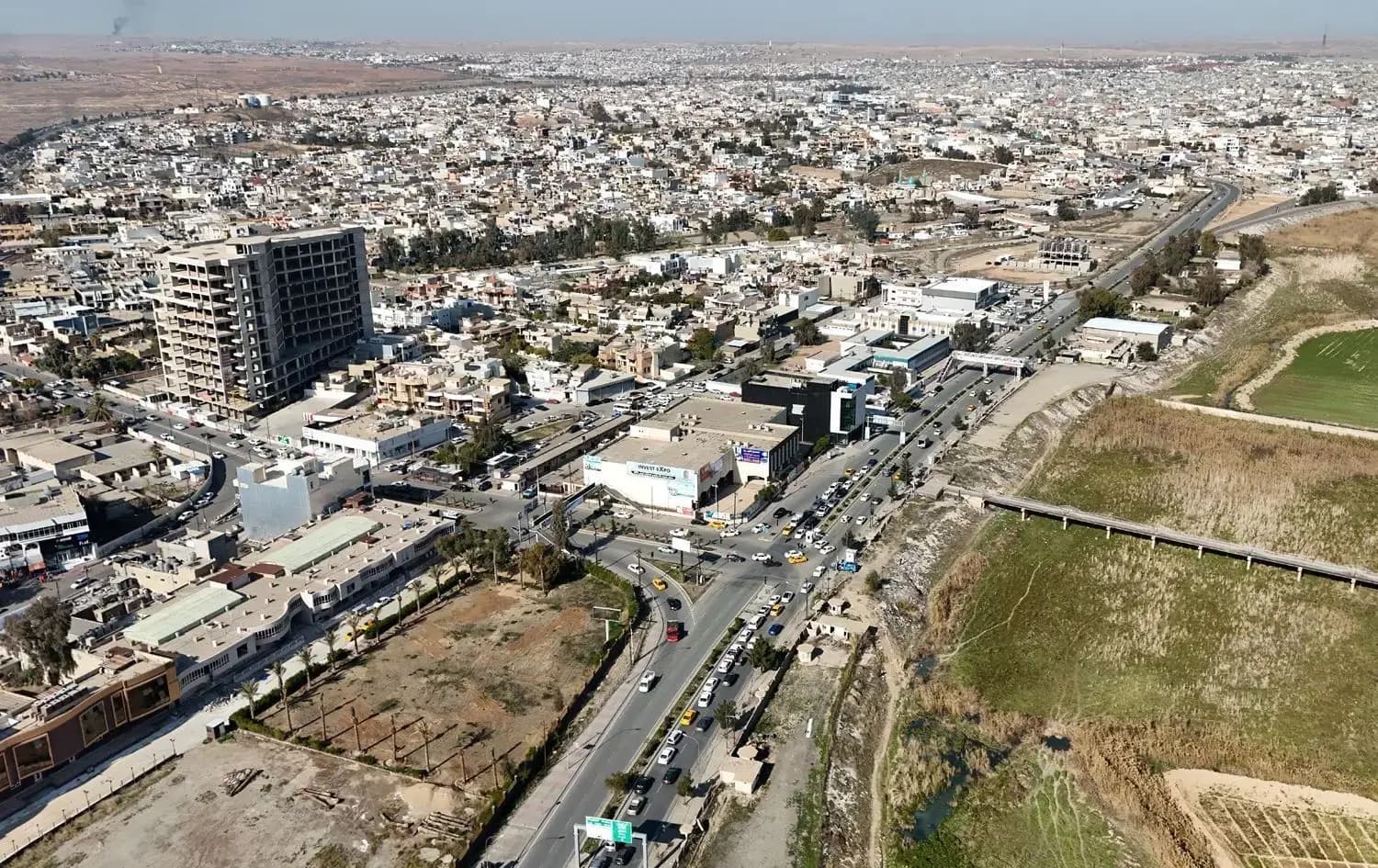
BAGHDAD, Iraq – American officials are working with the Iraqi government to decentralize power in order to enhance delivery of services to the people. A transfer of power to local provinces, which was approved by the parliament in 2008 but has not been fully implemented yet, focuses on the service ministries, including the Ministries of Housing, Municipalities and Public Works, and Education. The governor of Anbar province told Rudaw said this makes it easier for local governments to perform their duties. Governor Suhaib al-Rawi described this transfer of powers as one of the most important laws to be issued by the Iraqi Council of Representatives. He pointed out that "these powers will greatly assist the local governments in performing their duties and obligations towards citizens as they are the direct powers that enable them to take quick decisions reflected on services and affect the living conditions of citizens as well as the development of the performance of the central departments in the province." The United States is supporting Iraqi decentralization efforts through its Taqadum project, working with local elected officials across the country “to improve government service delivery to citizens” through strengthening provincial institutions and empowering local elected officials, USAID detailed on its website. Stephanie Williams, Deputy Chief of Mission at the US Embassy in Baghdad, told Rudaw that the US participation is “symbolic of the type of deep partnership that we enjoy with the Iraqi government and with the people of Iraq.” She hailed Iraqi progress in “connecting citizens with their government” and providing vital services, despite the many challenges the country is currently facing. The US is providing technical assistance and training, as well as $106 million in funding. The US-appointed head of the project is a Kurd, Kamaran Berkoti. “This is a great step forward to develop shared power in Iraq but it should not weaken the central government,” said Ammar al-Hakim, leader of the Islamic Supreme Council of Iraq and head of the Shiite National Alliance in the Iraqi parliament. Governor al-Sawi said this decentralization will provide “great potential” to the provinces. "All provinces are covered by the transfer of powers," he confirmed, adding that implementation of the law is being done through coordination between the prime minister, affected ministries, and a coordination committee.