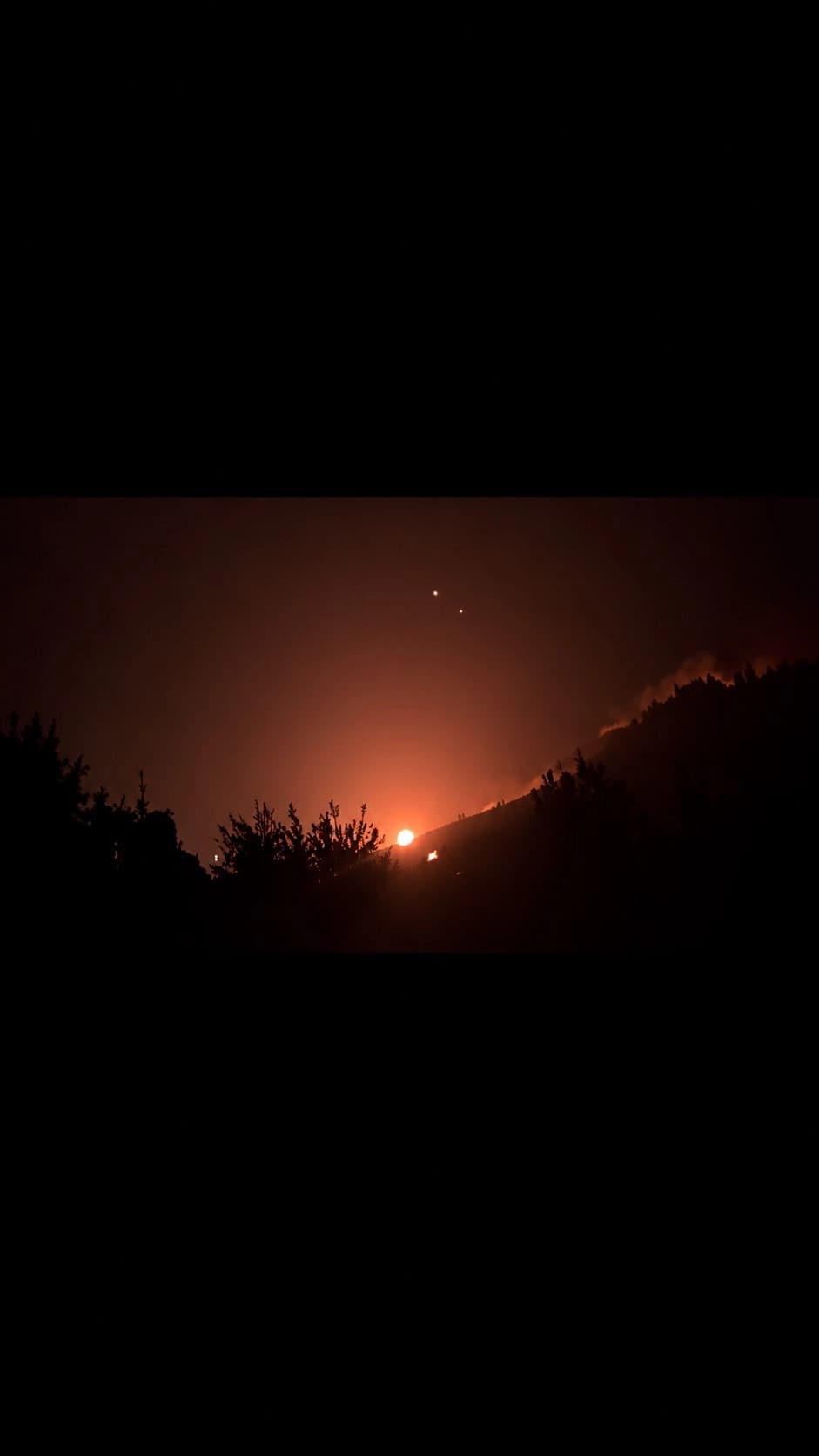
ERBIL, Kurdistan Region — A military helicopter crashed in Istanbul’s Sancaktepe district on early Monday, killing four soldiers and injuring one. The cause of the accident is unknown.
“A military helicopter which was undergoing training flights at the Samandira [air base] crashed and the reason is unknown,” Ali Yerlikaya, the governor of Istanbul, said in a statement, according to run Anadolu Agency.
The governor also said that an investigation is underway.
The helicopter crashed into a residential area in the middle of Istanbul. According to videos shared on social media, the victims were taken to hospital by the residents of the area.
President Recep Tayyip Erdogan sent his condolences to the killed and wished speedy recovery for the injured during an event in Istanbul, without giving details on what caused the crash.
Turkey ended its state of emergency in July which was in effect for two years following a failed military coup that Ankara blames on followers of US preacher Fethullah Gulen.
Despite the formal end of the state of emergency, the country is under heightened security.
“A military helicopter which was undergoing training flights at the Samandira [air base] crashed and the reason is unknown,” Ali Yerlikaya, the governor of Istanbul, said in a statement, according to run Anadolu Agency.
The governor also said that an investigation is underway.
The helicopter crashed into a residential area in the middle of Istanbul. According to videos shared on social media, the victims were taken to hospital by the residents of the area.
President Recep Tayyip Erdogan sent his condolences to the killed and wished speedy recovery for the injured during an event in Istanbul, without giving details on what caused the crash.
Turkey ended its state of emergency in July which was in effect for two years following a failed military coup that Ankara blames on followers of US preacher Fethullah Gulen.
Despite the formal end of the state of emergency, the country is under heightened security.
Comments
Rudaw moderates all comments submitted on our website. We welcome comments which are relevant to the article and encourage further discussion about the issues that matter to you. We also welcome constructive criticism about Rudaw.
To be approved for publication, however, your comments must meet our community guidelines.
We will not tolerate the following: profanity, threats, personal attacks, vulgarity, abuse (such as sexism, racism, homophobia or xenophobia), or commercial or personal promotion.
Comments that do not meet our guidelines will be rejected. Comments are not edited – they are either approved or rejected.
Post a comment