


Small events can change the course of history. This is very true for Kurdish history. Because Kurds are stateless, the moods of others have always influenced and directed events.
It’s important for a leader to be a person of vision. Bitter events recur in Kurdish history when leaders fail to see into the future or misread the implications of their decisions.
The radical changes made to the Turkish governance system are expected to pose a threat to the Kurdish cause in the country. The way Kurds responded to events in Turkey and their shortsighted vision paved the way for Recep Tayyip Erdogan to achieve his goal easier and earlier.
The AK party didn’t win enough votes in 2015 elections to form a government. They turned to the Kurds to form the government together and form committees to make the constitutional changes Erdogan wanted to bring about.
Where would Turkey be if the Kurds had made a contrary decision? What roles would they have in running the country and designing its future? What constitutional changes would have been made? What would the constitution have to offer Kurds?
We didn’t make a contrary decision at the time. Hence, events took another course, one that paved the way for AKP and MHP to form an alliance that made Erdogan sultan and would later lead to more hardship for the Turkish nation as a whole, especially for the Kurds. Progress made with respect to the Kurdish question may be reversed and Turkey might again relapse into the days where it denied the rights of the Kurds.
If the Turkish governance system was changed during the peace process in alliance with the Kurds and Erdogan, it would have been a lot different than changes made during the alliance between Erdogan and MHP.
The alliance between Erdogan’s party and MHP, an alliance that represents Turkish chauvinism, puts at risk the future of Kurds in Turkey. The more influence and stronger position this party has in the government, the more Kurdish rights will be restricted.
If Turkey’s Kurds realize that a decision made at the wrong time helped the project of their foes succeed, they will probably adopt a better policy. They cannot now go back to the past and change the direction of events, but they can rectify or at least prevent the repetition of these mistakes by adopting the right policy now.
If we fail to see and learn from these bitter realties, we will continue making the same mistakes. The Turkish fascist agenda will realize its goals and Kurds will consequently be oppressed more.
Kurds live in a stronger Turkey with darker days in sight, although there are still chances for the Kurdish question to be hotly debated.
HDP remained strong and Selahattin Demirtas rivaled Erdogan from prison despite all the injustices done against the Kurds.
Kurds can still rise despite anticipated dangers if they pursue the right policy.
The stance the PKK will be taking on these matters will be critical. Will they allow at least tactically the Kurdish question to be moved from mountains to cities, especially now with the failure of the PKK’s strategy following the collapse of the peace process – a policy that drew Turkish forces to Rojava and the Kurdistan Region.
The strategy ended up undermining the Kurdish position and strengthening Turkish hegemony. PKK’s military might has now weakened. They can regroup and reverse the situation by taking the battle to the heart of Turkish territory. Otherwise, they should declare an end to their armed endeavors at least temporarily and turn the Kurdish struggle into civil endeavors.
The CHP in its election campaign and recent party congress said they would take the Kurdish problem to the parliament. HDP should form an alliance with CHP and take the Kurdish cause to the parliament in cooperation with CHP. This will embarrass the Kurds affiliated with Erdogan’s parties, and might even lead to the collapse of the AKP-MHP alliance.
There is also a third option. There currently are nearly 80 Kurdish MPs in Erdogan’s party and HDP has won more than sixty parliamentary seats. They can capitalize on this to change Erdogan’s vision and convince him to return to the peace process.
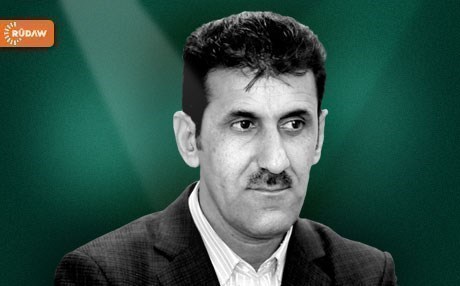
The views expressed in this article are those of the author and do not necessarily reflect the position of Rudaw.
It’s important for a leader to be a person of vision. Bitter events recur in Kurdish history when leaders fail to see into the future or misread the implications of their decisions.
The radical changes made to the Turkish governance system are expected to pose a threat to the Kurdish cause in the country. The way Kurds responded to events in Turkey and their shortsighted vision paved the way for Recep Tayyip Erdogan to achieve his goal easier and earlier.
The AK party didn’t win enough votes in 2015 elections to form a government. They turned to the Kurds to form the government together and form committees to make the constitutional changes Erdogan wanted to bring about.
Where would Turkey be if the Kurds had made a contrary decision? What roles would they have in running the country and designing its future? What constitutional changes would have been made? What would the constitution have to offer Kurds?
We didn’t make a contrary decision at the time. Hence, events took another course, one that paved the way for AKP and MHP to form an alliance that made Erdogan sultan and would later lead to more hardship for the Turkish nation as a whole, especially for the Kurds. Progress made with respect to the Kurdish question may be reversed and Turkey might again relapse into the days where it denied the rights of the Kurds.
If the Turkish governance system was changed during the peace process in alliance with the Kurds and Erdogan, it would have been a lot different than changes made during the alliance between Erdogan and MHP.
The alliance between Erdogan’s party and MHP, an alliance that represents Turkish chauvinism, puts at risk the future of Kurds in Turkey. The more influence and stronger position this party has in the government, the more Kurdish rights will be restricted.
If Turkey’s Kurds realize that a decision made at the wrong time helped the project of their foes succeed, they will probably adopt a better policy. They cannot now go back to the past and change the direction of events, but they can rectify or at least prevent the repetition of these mistakes by adopting the right policy now.
If we fail to see and learn from these bitter realties, we will continue making the same mistakes. The Turkish fascist agenda will realize its goals and Kurds will consequently be oppressed more.
Kurds live in a stronger Turkey with darker days in sight, although there are still chances for the Kurdish question to be hotly debated.
HDP remained strong and Selahattin Demirtas rivaled Erdogan from prison despite all the injustices done against the Kurds.
Kurds can still rise despite anticipated dangers if they pursue the right policy.
The stance the PKK will be taking on these matters will be critical. Will they allow at least tactically the Kurdish question to be moved from mountains to cities, especially now with the failure of the PKK’s strategy following the collapse of the peace process – a policy that drew Turkish forces to Rojava and the Kurdistan Region.
The strategy ended up undermining the Kurdish position and strengthening Turkish hegemony. PKK’s military might has now weakened. They can regroup and reverse the situation by taking the battle to the heart of Turkish territory. Otherwise, they should declare an end to their armed endeavors at least temporarily and turn the Kurdish struggle into civil endeavors.
The CHP in its election campaign and recent party congress said they would take the Kurdish problem to the parliament. HDP should form an alliance with CHP and take the Kurdish cause to the parliament in cooperation with CHP. This will embarrass the Kurds affiliated with Erdogan’s parties, and might even lead to the collapse of the AKP-MHP alliance.
There is also a third option. There currently are nearly 80 Kurdish MPs in Erdogan’s party and HDP has won more than sixty parliamentary seats. They can capitalize on this to change Erdogan’s vision and convince him to return to the peace process.
The views expressed in this article are those of the author and do not necessarily reflect the position of Rudaw.
Comments
Rudaw moderates all comments submitted on our website. We welcome comments which are relevant to the article and encourage further discussion about the issues that matter to you. We also welcome constructive criticism about Rudaw.
To be approved for publication, however, your comments must meet our community guidelines.
We will not tolerate the following: profanity, threats, personal attacks, vulgarity, abuse (such as sexism, racism, homophobia or xenophobia), or commercial or personal promotion.
Comments that do not meet our guidelines will be rejected. Comments are not edited – they are either approved or rejected.
Post a comment