



Error occured during this request! Please try again later.
British foreign and domestic policies have never been entirely separate because the UK has many voters from its previous imperial possessions and elsewhere. This drives debate about Kashmir, Turkey, Iraq, and Kurdistan, for instance, in constituencies with concentrated diasporas.
Savvy politicians cultivate ethnic minorities in their patch who can vote for them and join their parties, where they can be influential via groups such as Friends of India, the Chinese and many more. A Conservative member of the London Assembly once detailed how many Kurds, Alevites, Indians, and others lived and their concerns – he kept the seat for a while longer.
Diasporas can often be more hardline than those back home because their memories of their homelands are sometimes frozen in the moment, often of great tumult, they or their parents left. Some do not compromise on issues back home because they don't have to suffer the consequences.
Some of the Irish in Britain, by no means all, supported the IRA and raised funds for them as did many in America while those in both parts of Ireland were pragmatic. An American diplomat once told me that Irish Americans formed 10% of the population, that 10% of those had a continuing cultural link and gave their children Irish names, but that 10% of them backed violent republicanism. That's a small number but their funding and the involvement of fewer in gun-running prolonged the conflict thousands of miles away.
I once joined a KRG visit to Northern Ireland to look for partners in a place with a good agricultural base and experience of conflict. Given the time some republican areas flew Palestinian flags and unionists responded by flying Israeli flags, I was nervous about the Kurdistan Region being adopted by one side and spurned by the other. We organised a reception at a neutral location and people from all parties attended, thankfully.
I was reminded of this by the debate on Palestine at the Labour conference. I was struck by the fact that Palestine beat several pressing domestic issues in the ballot on debating priorities and the unique spectacle of many delegates flying Palestinian flags inside the hall.
Labour contains passionate supporters of the Palestinian and the Israeli causes and my view is all should back a two state solution that upholds security and justice for two peoples with the right to self-determination in a narrow sliver of land. My fear is that factionally annexing the Palestinian cause will harm the Palestinians if it feeds illusions that outsiders can fix the problem rather than assisting the principals on the ground.
Moreover, the debate failed to tackle complexities and was largely one sided. After a summer of what speakers called the sneers and the smears against Jeremy Corbyn, the debate became a symbol of virtue and defiance.
The mover of the motion claimed he was speaking for the Palestinians. The danger here is of the tail wagging the dog, which Brits working with overseas causes should avoid as it turns the objects of solidarity into recipients and ironically denies them self-determination.
Labour leaders, however, stressed the two state solution and the Palestinian cause need not be captured by any one party or faction since there is strong support within the Conservative Party for Palestinian rights.
This year's Labour conference saw several events on the situation for Kurds in Iran, Syria, Iraq and the launch of a campaign called Justice for Kurdistan. Implicit in that is that there is or should be one Kurdistan. That is often the default assumption of left-wing activists who usually focus on the situation in Turkey, sometimes Rojava, less so on those in Iraq, and very rarely on Iran.
The Iranian regime is seen by many of them as a victim of and a bulwark against American imperialism and the nature of its regime, repressive apartheid in essence, is sidelined. An emphasis on one of the Kurdistans could make it more difficult to raise the specifics of the struggles in the others.
Kurds are, of course, one people with living links in their families and in their hearts and one should never say never to the aspiration of one Kurdistan. But leaders from the four Kurdistans say it is not an immediate or feasible aim and are seeking various internal settlements based on democratic, cultural and language rights. That may yet mean an independent Kurdistan Region and an autonomous region in Syria but it seems improbable that Turkey and Iran would ever peacefully cede territory.
In his speech at the meeting on the Kurdistan Region, KRG High Representative Karwan Jamal Tahir provided a nuanced approach to the complexities of the Middle East where the interests of Kurds, Jews, Palestinians and others have been neglected amid conflicts between the great powers and the Shia/Sunni schism. He stressed that "it is necessary to overcome the notion that the Middle East only has an Arab identity."
APPG reports have been sceptical about a pan-Kurdish solution but flagged up the possibility of a virtual Kurdistan based on the common economic and other interests of four different but contiguous Kurdish entities. It is probable that there will be four Kurdistans, as there are many Arab nations, and it is best to recognise the need for justice for Kurds without prejudging possible outcomes.
Kurdish activists and British friends need clarity of analysis in seeking support in British parties, aware that there is no automatic reason why Kurdish voters will, as they do now, largely vote Labour. It would be best if all parties competed for Kurdish votes by adopting positive positions on their concerns and thereby creating a solid bipartisan policy.
Ideally, that policy would uphold the rights of Kurds where they live and, in the case of those in Iraq, that self-determination is a right that can be exercised in due course. Great care is needed in building alliances that persuade whoever forms a government that justice for Kurds should figure prominently in British foreign policy.
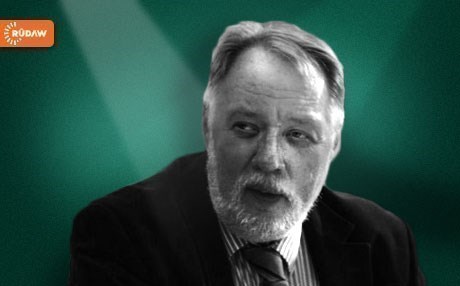
Gary Kent is the Secretary of the All Party Parliamentary Group (APPG). He writes this column for Rudaw in a personal capacity. The address for the all-party group is appgkurdistan@gmail.com.
The views expressed in this article are those of the author and do not necessarily reflect the position of Rudaw.
Savvy politicians cultivate ethnic minorities in their patch who can vote for them and join their parties, where they can be influential via groups such as Friends of India, the Chinese and many more. A Conservative member of the London Assembly once detailed how many Kurds, Alevites, Indians, and others lived and their concerns – he kept the seat for a while longer.
Diasporas can often be more hardline than those back home because their memories of their homelands are sometimes frozen in the moment, often of great tumult, they or their parents left. Some do not compromise on issues back home because they don't have to suffer the consequences.
Some of the Irish in Britain, by no means all, supported the IRA and raised funds for them as did many in America while those in both parts of Ireland were pragmatic. An American diplomat once told me that Irish Americans formed 10% of the population, that 10% of those had a continuing cultural link and gave their children Irish names, but that 10% of them backed violent republicanism. That's a small number but their funding and the involvement of fewer in gun-running prolonged the conflict thousands of miles away.
I once joined a KRG visit to Northern Ireland to look for partners in a place with a good agricultural base and experience of conflict. Given the time some republican areas flew Palestinian flags and unionists responded by flying Israeli flags, I was nervous about the Kurdistan Region being adopted by one side and spurned by the other. We organised a reception at a neutral location and people from all parties attended, thankfully.
I was reminded of this by the debate on Palestine at the Labour conference. I was struck by the fact that Palestine beat several pressing domestic issues in the ballot on debating priorities and the unique spectacle of many delegates flying Palestinian flags inside the hall.
Labour contains passionate supporters of the Palestinian and the Israeli causes and my view is all should back a two state solution that upholds security and justice for two peoples with the right to self-determination in a narrow sliver of land. My fear is that factionally annexing the Palestinian cause will harm the Palestinians if it feeds illusions that outsiders can fix the problem rather than assisting the principals on the ground.
Moreover, the debate failed to tackle complexities and was largely one sided. After a summer of what speakers called the sneers and the smears against Jeremy Corbyn, the debate became a symbol of virtue and defiance.
The mover of the motion claimed he was speaking for the Palestinians. The danger here is of the tail wagging the dog, which Brits working with overseas causes should avoid as it turns the objects of solidarity into recipients and ironically denies them self-determination.
Labour leaders, however, stressed the two state solution and the Palestinian cause need not be captured by any one party or faction since there is strong support within the Conservative Party for Palestinian rights.
This year's Labour conference saw several events on the situation for Kurds in Iran, Syria, Iraq and the launch of a campaign called Justice for Kurdistan. Implicit in that is that there is or should be one Kurdistan. That is often the default assumption of left-wing activists who usually focus on the situation in Turkey, sometimes Rojava, less so on those in Iraq, and very rarely on Iran.
The Iranian regime is seen by many of them as a victim of and a bulwark against American imperialism and the nature of its regime, repressive apartheid in essence, is sidelined. An emphasis on one of the Kurdistans could make it more difficult to raise the specifics of the struggles in the others.
Kurds are, of course, one people with living links in their families and in their hearts and one should never say never to the aspiration of one Kurdistan. But leaders from the four Kurdistans say it is not an immediate or feasible aim and are seeking various internal settlements based on democratic, cultural and language rights. That may yet mean an independent Kurdistan Region and an autonomous region in Syria but it seems improbable that Turkey and Iran would ever peacefully cede territory.
In his speech at the meeting on the Kurdistan Region, KRG High Representative Karwan Jamal Tahir provided a nuanced approach to the complexities of the Middle East where the interests of Kurds, Jews, Palestinians and others have been neglected amid conflicts between the great powers and the Shia/Sunni schism. He stressed that "it is necessary to overcome the notion that the Middle East only has an Arab identity."
APPG reports have been sceptical about a pan-Kurdish solution but flagged up the possibility of a virtual Kurdistan based on the common economic and other interests of four different but contiguous Kurdish entities. It is probable that there will be four Kurdistans, as there are many Arab nations, and it is best to recognise the need for justice for Kurds without prejudging possible outcomes.
Kurdish activists and British friends need clarity of analysis in seeking support in British parties, aware that there is no automatic reason why Kurdish voters will, as they do now, largely vote Labour. It would be best if all parties competed for Kurdish votes by adopting positive positions on their concerns and thereby creating a solid bipartisan policy.
Ideally, that policy would uphold the rights of Kurds where they live and, in the case of those in Iraq, that self-determination is a right that can be exercised in due course. Great care is needed in building alliances that persuade whoever forms a government that justice for Kurds should figure prominently in British foreign policy.
Gary Kent is the Secretary of the All Party Parliamentary Group (APPG). He writes this column for Rudaw in a personal capacity. The address for the all-party group is appgkurdistan@gmail.com.
The views expressed in this article are those of the author and do not necessarily reflect the position of Rudaw.
Comments
Rudaw moderates all comments submitted on our website. We welcome comments which are relevant to the article and encourage further discussion about the issues that matter to you. We also welcome constructive criticism about Rudaw.
To be approved for publication, however, your comments must meet our community guidelines.
We will not tolerate the following: profanity, threats, personal attacks, vulgarity, abuse (such as sexism, racism, homophobia or xenophobia), or commercial or personal promotion.
Comments that do not meet our guidelines will be rejected. Comments are not edited – they are either approved or rejected.
Post a comment