ERBIL, Kurdistan Region - Oil exports from Iraq’s federal areas and the Kurdistan Region could reach 500,000 barrels per day if producers resume operations in the Region, a senior Iraqi official said on Saturday.
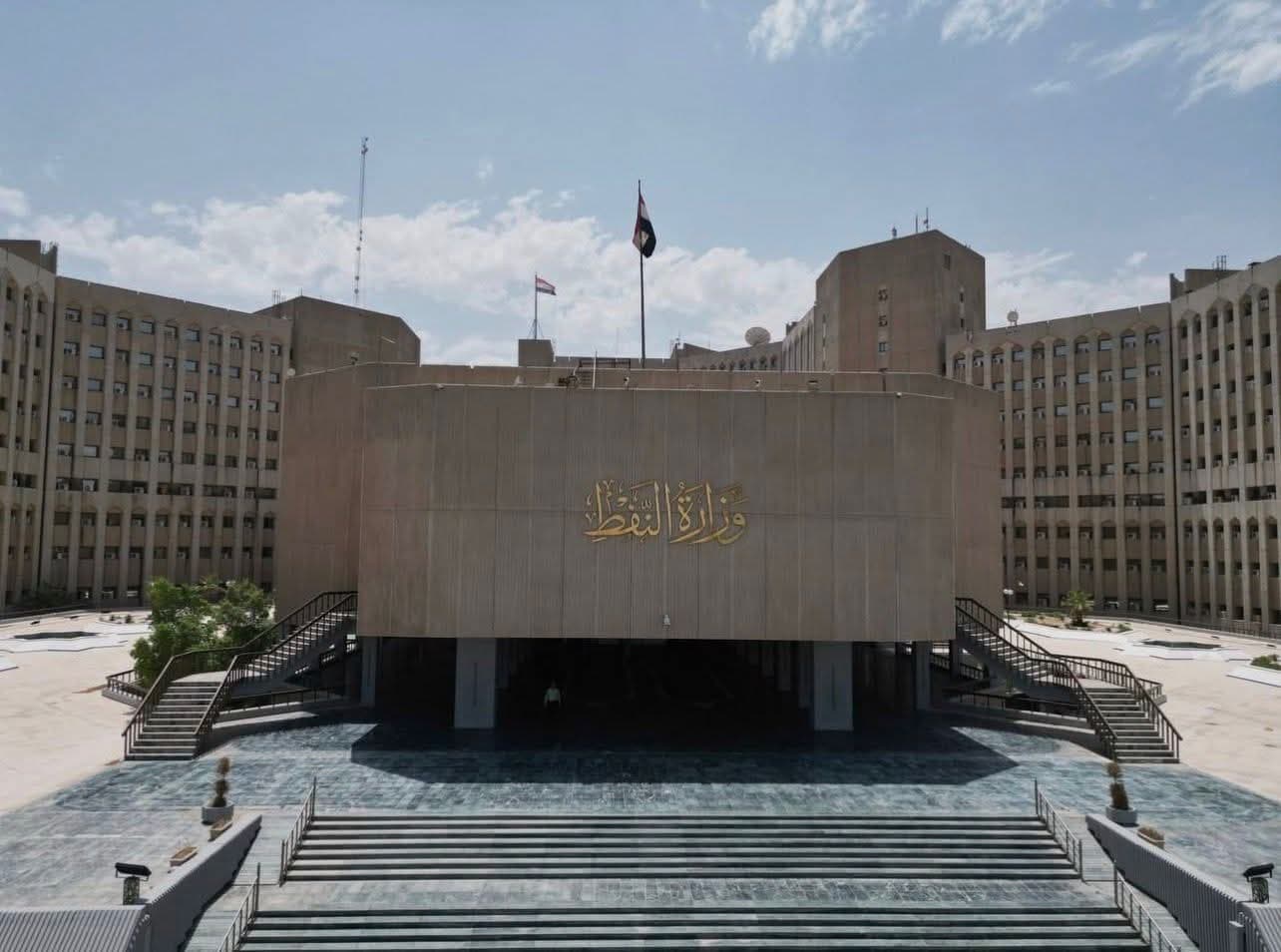
“The Kurdistan Region[‘s oil exports] do not exceed 30,000 currently, because the companies are not present [in the fields],” Basim Mohammed Khudair, the federal Oil Ministry's undersecretary for extraction affairs, told Rudaw’s Halkawt Aziz.
The Region’s oil exports were suspended in 2023 following a ruling by an arbitration court in Paris. The Kurdistan Region and the Iraqi government reached an agreement in September last year to resume exports through the federal government. However, drone and missile attacks on the Kurdistan Region during the US-Israel war with Iran, which began on February 28 and entered a ceasefire on April 8, forced some foreign companies to suspend operations.
The Iraqi official added that the federal government exports around 200,000 barrels of oil per day to Turkey through the Kurdistan Region’s pipeline, noting that this figure could more than double if oil companies resume operations in the Region.
“The companies there are not operating the oil fields. But once the companies return, God willing, this 200,000 could reach 450,000 to 500,000 barrels per day through Ceyhan,” he stated, referring to a Turkish port.
His remarks come against the backdrop of the US-Israeli military campaign against Iran, which triggered retaliatory strikes by Tehran and its allied groups, involving the launch of thousands of one-way drones and missiles targeting American assets in the region and Israel. The conflict also saw Iran close the Strait of Hormuz at the outset, leading to global energy shortages, as roughly 20 percent of the world’s energy supplies transit through the vital waterway.
Iraq relies heavily on oil exports, with the head of the oil ministry’s media department stating in mid-April that “more than 90 percent of Iraq’s economy relies on oil exports.”
The closure of the Strait of Hormuz has compelled Iraq to scramble for alternative export routes. Authorities have turned to the Kurdistan Region's pipeline to Turkey, as well as a Syrian port, to maintain flows.
Before the conflict, Iraq and the Kurdistan Region were producing a combined 4.5 million barrels of oil per day, according to figures released in February.