


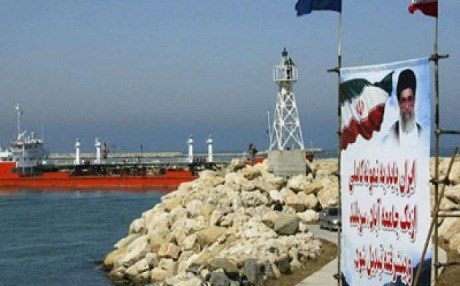
Iran is reporting record levels of oil exports. The country exported 7.1 million crude barrels in 48 hours, Managing Director of the Iranian Oil Terminals Company (IOTC) Seyyed Pirouz Mousavi announced on Wednesday.
A ban on exports of Iranian crude oil was lifted as part of Iran’s nuclear deal with the P5+1 group of world powers: US, UK, France, China, Russia and Germany. The deal was finalized in July 2015.
“In the first month after the sanctions relief, Iran’s oil exports has climbed by 400 thousand barrels per day,” said Mousavi.
Approximately 25 to 30 percent of the increase had been sent to traditional customers of Iranian oil but the rest, stated Mousavi, “has been shipped to new buyers,” noting that shipments to Europe have resumed.
Iran is updating their facilities in order to accommodate the increased exports. “Due to repairmen, renewal, reconstruction and modernization of facilities and harbors, IOTC is currently able to offer services to nine oil tankers simultaneously,” Mousavi explained. He added that, with the increased capabilities, they expect additional exports to European countries, surpassing today’s record levels.
The IOTC’s announcement comes a day after Russia and the OPEC nations of Saudi Arabia, Qatar and Venezuela committed to freezing oil exports at January levels in order to stabilize the oil market which saw prices drop by 70 percent over the last 20 months.
The oil ministers of Venezuela, Iraq and Qatar are today meeting their counterpart in Tehran to request Iran also freeze its oil production. But it is expected they will face opposition. “Asking Iran to freeze its oil production level is illogical,” Mehdi Asali, Iran’s OPEC envoy was quoted as saying in the Shargh daily newspaper on Wednesday.
He blamed the current crisis on the increased production of other nations while Iran was subject to sanctions, “When Iran was under sanctions, some countries raised their output and they caused the drop in oil prices.”
“How can they expect Iran to cooperate now and pay the price?” he asked.
A ban on exports of Iranian crude oil was lifted as part of Iran’s nuclear deal with the P5+1 group of world powers: US, UK, France, China, Russia and Germany. The deal was finalized in July 2015.
“In the first month after the sanctions relief, Iran’s oil exports has climbed by 400 thousand barrels per day,” said Mousavi.
Approximately 25 to 30 percent of the increase had been sent to traditional customers of Iranian oil but the rest, stated Mousavi, “has been shipped to new buyers,” noting that shipments to Europe have resumed.
Iran is updating their facilities in order to accommodate the increased exports. “Due to repairmen, renewal, reconstruction and modernization of facilities and harbors, IOTC is currently able to offer services to nine oil tankers simultaneously,” Mousavi explained. He added that, with the increased capabilities, they expect additional exports to European countries, surpassing today’s record levels.
The IOTC’s announcement comes a day after Russia and the OPEC nations of Saudi Arabia, Qatar and Venezuela committed to freezing oil exports at January levels in order to stabilize the oil market which saw prices drop by 70 percent over the last 20 months.
The oil ministers of Venezuela, Iraq and Qatar are today meeting their counterpart in Tehran to request Iran also freeze its oil production. But it is expected they will face opposition. “Asking Iran to freeze its oil production level is illogical,” Mehdi Asali, Iran’s OPEC envoy was quoted as saying in the Shargh daily newspaper on Wednesday.
He blamed the current crisis on the increased production of other nations while Iran was subject to sanctions, “When Iran was under sanctions, some countries raised their output and they caused the drop in oil prices.”
“How can they expect Iran to cooperate now and pay the price?” he asked.
Comments
Rudaw moderates all comments submitted on our website. We welcome comments which are relevant to the article and encourage further discussion about the issues that matter to you. We also welcome constructive criticism about Rudaw.
To be approved for publication, however, your comments must meet our community guidelines.
We will not tolerate the following: profanity, threats, personal attacks, vulgarity, abuse (such as sexism, racism, homophobia or xenophobia), or commercial or personal promotion.
Comments that do not meet our guidelines will be rejected. Comments are not edited – they are either approved or rejected.
Post a comment