


By ARAM KAKAKHAN
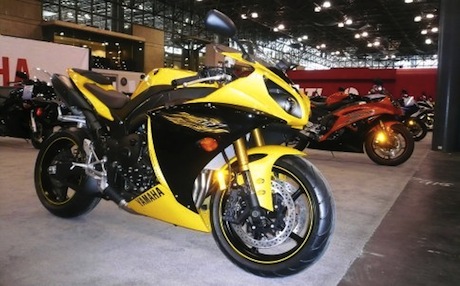
ERBIL, Kurdistan Region – The demand for motorcycles in Iraq’s autonomous Kurdistan Region has changed, with more expensive Japanese models preferred by wealthy clients willing to pay up to $20,000 for a bike, salesmen say.
"Imported Japanese motorcycles are expensive, and the demand for them is high,” said Sarkar Swara, a motorcycle salesman in Erbil, the regional capital. He said that Chinese motorcycles cost a fraction of the price, available for as little as $1,400.
The new trend for more sophisticated bikes has forced some traders, who cannot afford to deal in the more expensive models, out of the market.
"Only certain groups of people are ready to buy these expensive motorcycles,” said Haval Qaraman, a trader in Erbil with only four bikes in his shop.
“I have some motorcycles in my shop that are knockoffs of Japanese models. I demand $4,200 for each. The Japanese motorcycles have special characteristics. They are better than the other brands. For example, the one that's worth $20,000 has six pistons,” and has other sophisticated features, he said.
Muhammad Kakamand, an agent who registers new sales at the Erbil motorcycles market, said that sales fluctuate daily, and that sometimes only two bikes are sold, and on other days up to 20 are driven away by new owners.
Meanwhile, traders at the Erbil motorcycles market, located between Sheikhallah Market and Khanaqah Quarter, complain that the location is not suitable.
"Our location is not good. Sometimes the customers and the tradesmen search for my location for hours to register their transaction,” Kakamand said.
“This market needs to be moved outside the city," said traffic policeman Omar Khalil, who complained that the market was the cause of severe traffic jams.
Traders said they had been unsuccessfully lobbying with authorities to have the market moved outside the city.
Comments
Rudaw moderates all comments submitted on our website. We welcome comments which are relevant to the article and encourage further discussion about the issues that matter to you. We also welcome constructive criticism about Rudaw.
To be approved for publication, however, your comments must meet our community guidelines.
We will not tolerate the following: profanity, threats, personal attacks, vulgarity, abuse (such as sexism, racism, homophobia or xenophobia), or commercial or personal promotion.
Comments that do not meet our guidelines will be rejected. Comments are not edited – they are either approved or rejected.
Post a comment