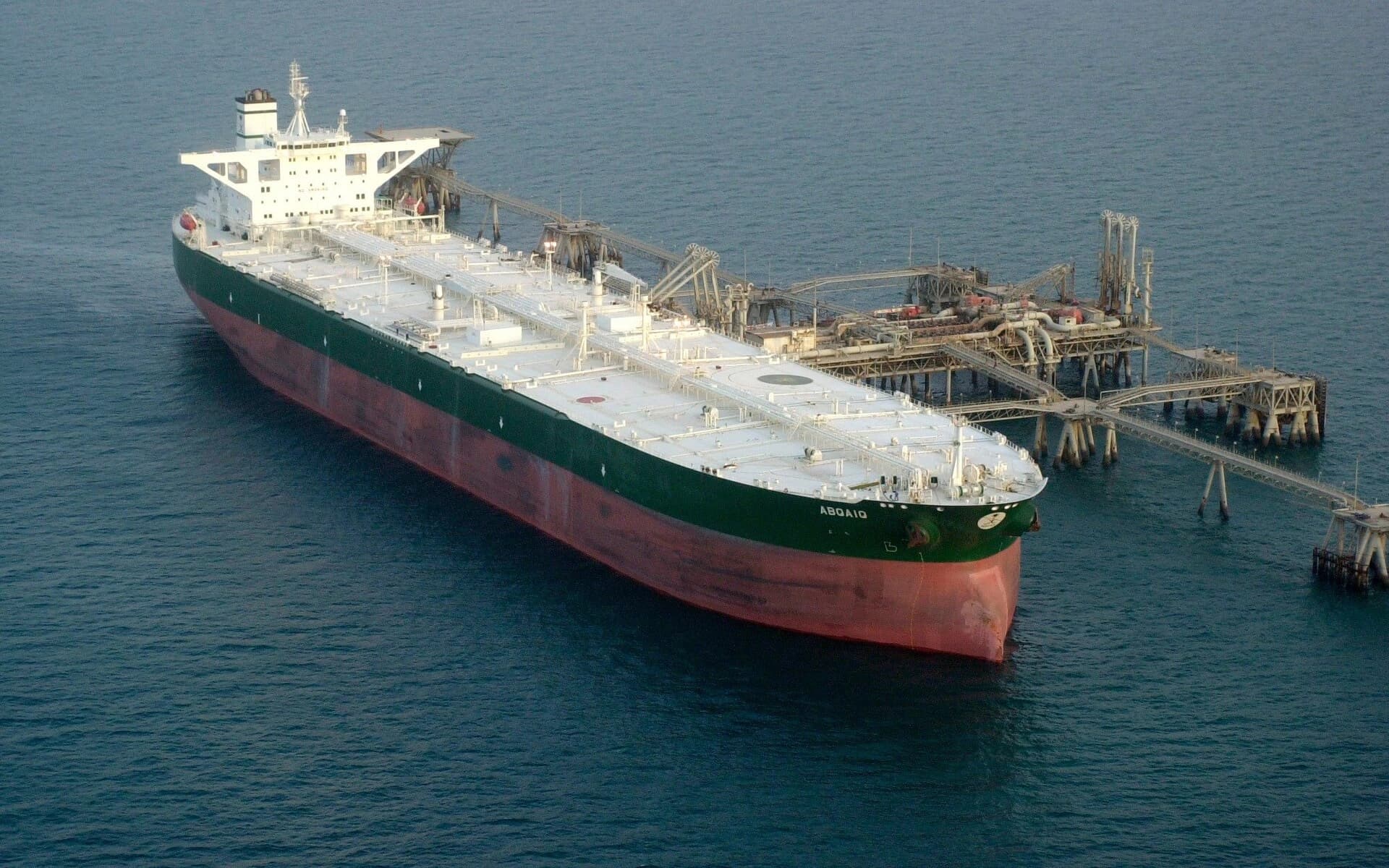

ERBIL, Kurdistan Region - Iraq's plan to purchase at least 10 very large crude carriers (VLCCs) could help it retain more revenue from oil exports amid soaring shipping costs, but analysts warn that owning tankers would do little to protect the country's exports against another closure of the Strait of Hormuz.
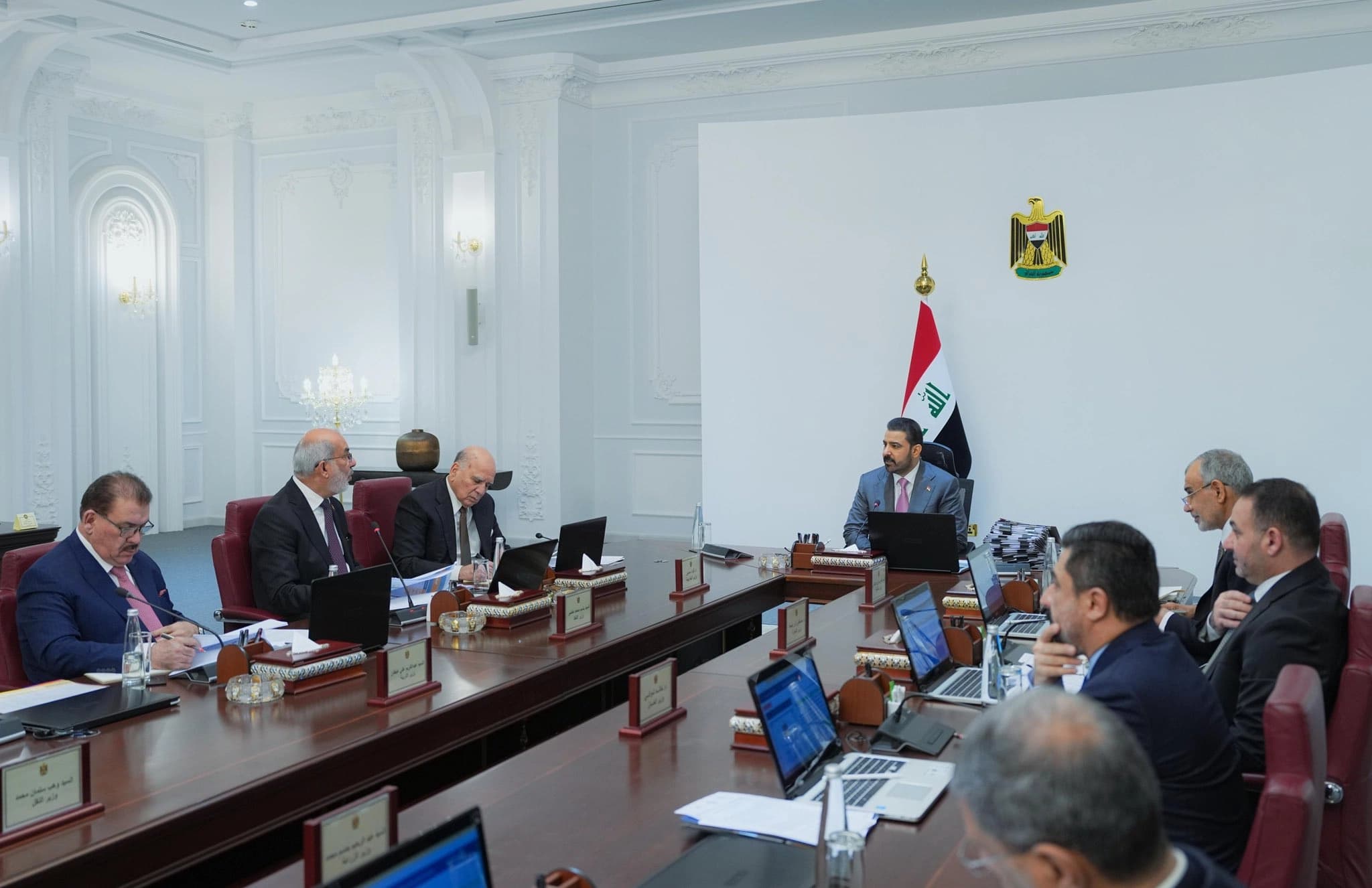
The Iraqi government is considering purchasing at least 10 VLCCs, potentially costing around $2 billion, to reduce its reliance on foreign shipping companies and improve revenues from crude exports, Oil Minister Basim Mohammed Khudair said over the weekend.
Mohammed Hussein, a resident research fellow at the Dhia Jafar Center for Energy and Natural Resources at the American University of Iraq, Sulaimani (AUIS), said the purchases could provide substantial financial benefits.
"If Baghdad has its own very large crude carriers, it can make more money because it is now forced to sell its oil at a cheaper price because it doesn't own tankers," Hussein told Rudaw English on Monday.
However, Omer al-Nidawi of the Washington-based Education for Peace in Iraq Center (EPIC) questioned whether purchasing the vessels would address the underlying problem.
"It would not make any difference," Nidawi said when asked whether owning more tankers would help Iraq if Hormuz were closed or severely restricted. "Baghdad appears merely focused on offsetting the higher financial costs of the problem."
The debate comes as Iraq struggles to recover from months of disruptions to the Strait of Hormuz following the outbreak of the US-Israeli war against Iran in late February. The waterway carried the vast majority of Iraq's oil exports before the conflict, leaving Baghdad particularly vulnerable to restrictions on shipping.
Iraqi oil exports plunged from more than 99 million barrels in February to 18.6 million barrels in March, severely reducing government revenues in a country that depends on oil to finance most of its public spending.
Exports have since recovered significantly. Khudair said last week that Iraq was exporting more than 3.4 million barrels per day (bpd) in October through Hormuz, Turkey's Ceyhan port and smaller tanker-truck shipments through Syria, approaching pre-war levels of around 3.7 million bpd.
But the recovery has come at a considerable cost.
Bloomberg reported in early October that the cost of transporting crude from the Persian Gulf to East Asia had risen to more than six times its pre-war level, as a shortage of available supertankers and continued attacks on vessels drove up freight rates.
The Wall Street Journal reported last week that regional oil shipments, including exports through Hormuz and alternative routes, had exceeded pre-war levels, reaching more than 24 million bpd in the week ending October 18. However, shipping through the Strait itself remained below pre-war volumes.
Financial gains, persistent risks
Hussein said buyers transporting Iraqi crude from Basra's ports to the Gulf of Oman could benefit from discounts of between $22 and $34 per barrel, reflecting the high costs and risks of shipping oil through the conflict-affected Strait of Hormuz.
He estimated that Iraq lost approximately $1 billion in potential revenue in September alone because of discounts offered to buyers to offset transportation costs and security risks.
"If Iraq had owned the VLCCs, it would have been able to both manage the risk itself and reap the benefits," Hussein said.
He noted that discounts on Iraqi crude reached between $22 and $35 per barrel in August and September, but cautioned that the financial benefits of owning tankers would fluctuate from month to month.
Nevertheless, Hussein said purchasing the vessels would mean Baghdad assuming risks currently borne by private shipping companies.
“If Iraq does own such vessels, it would definitely have to shoulder the risk of transporting its oil through the Hormuz Strait," he said.
Nidawi raised additional concerns about the economics of tanker ownership, warning that Iraq would still face insurance expenses and the costs of operating the vessels.
"Even if Iraq owned the ships carrying its crude, there is still war risk insurance to be paid on the cargo," he said.
Iraq would also likely need foreign crews as it lacks sufficient experienced personnel, leaving it exposed to additional insurance expenses and wartime wage premiums.
"While at first look it may seem that the ships would pay for themselves after making just a few trips in this high discount environment, in reality, the benefits may be much smaller than the minister is suggesting," Nidawi said.
Hussein agreed that purchasing tankers would not be straightforward, particularly given the current market conditions.
"The market for oil tankers is complicated nowadays as well thanks to the crisis in Hormuz," he said.
Alternative pipelines
Both analysts argued that Iraq must diversify its oil export routes to reduce its dependence on Hormuz, although they differed over which alternatives would offer the greatest benefits.
Nidawi identified the proposed Basra-Haditha pipeline as the country's most important strategic priority.
"The absolute top priority should be the Basra-Haditha pipeline," he said. "Everything else in the diversification plans, whether it's Baniyas, Tripoli, Ceyhan, Aqaba, or sending more southern oil northwards, hinges on that link to Haditha."
The pipeline would transport crude from Iraq's southern oilfields to Haditha in western Anbar province, from where additional connections could direct exports toward Syria, Turkey and Jordan.
In July, Iraq's cabinet approved preliminary agreements for international companies to examine the technical and financial feasibility of several export routes, including Basra-Haditha-Baniyas and Basra-Haditha-Ceyhan.
Hussein said the Basra-Haditha line would serve as the "main artery" of a future network, but argued that the Syrian port of Baniyas would offer Iraq the greatest economic advantage because it would allow European and American buyers to purchase Iraqi crude directly from a Mediterranean port.
He expressed reservations about the proposed Basra-Aqaba pipeline through Jordan, arguing that transporting oil from the Red Sea to Mediterranean markets would require using Egyptian infrastructure, adding to costs.
Shipping southward through the Bab al-Mandeb Strait would also expose Iraqi crude to further security risks, he said.
"The Basra-Aqaba pipeline isn't an ideal project," Hussein argued, suggesting that Baghdad should prioritize expanding exports through Turkey's Ceyhan port while pursuing a route to Baniyas.
Nidawi similarly acknowledged that the Red Sea carries security risks, but maintained that investing in alternative pipelines would make greater strategic sense than prioritizing tanker purchases.
"The expanding reach of drones and missiles creates some level of risk everywhere, but investing in pipelines to Syrian and Jordanian ports certainly makes more strategic sense than buying the ships," he said.
Nidawi believes that the priority should be developing Basra-Haditha and its connection to Baiji, alongside efforts to secure a lasting agreement with the Kurdistan Regional Government (KRG) and international oil companies to sustain and expand northern oil exports.
Hussein, however, advocated pursuing both tanker purchases and pipelines simultaneously, arguing that alternative export infrastructure would require significant investment and at least two to three years to develop.
"All solutions that are strategic, meaningful and viable require both much time and capital," he said.
"The ideal strategy is to diversify the risk. If one of them is out of service, you should have three routes and so on."
The differing assessments highlight how Iraq has an immediate dilemma. Purchasing tankers could help Baghdad retain more revenue from oil already reaching international markets, alternative pipelines would provide something the vessels cannot, namely routes to export crude without passing through the Strait of Hormuz.