
ERBIL, Kurdistan Region - The Kurdistan Region's border crossings handled more than 227 trillion Iraqi dinars (over $173 billion) in trade over the past seven years, generating 9.5 trillion dinars ($6.8 billion) in customs revenue, according to a report by the Kurdistan Region's Ministry of Finance obtained by Rudaw.
The report covers the period from 2019 to 2025 and shows that the Region's 12 land and air border crossings recorded a total trade volume of 227 trillion dinars. Customs revenues during the same period reached approximately 9.5 trillion dinars, with Duhok province accounting for the largest share.
The highest annual trade value was recorded in 2024, when border crossings handled 41.2 trillion dinars in trade. The lowest figure came in 2020, at 28 trillion dinars.
According to the report, Duhok province collected nearly five trillion dinars in customs revenue over the seven-year period, ranking first among the Kurdistan Region's provinces.
Sulaimani followed with customs revenue totaling nearly three trillion dinars, while Erbil collected over 1.6 billion dinars.
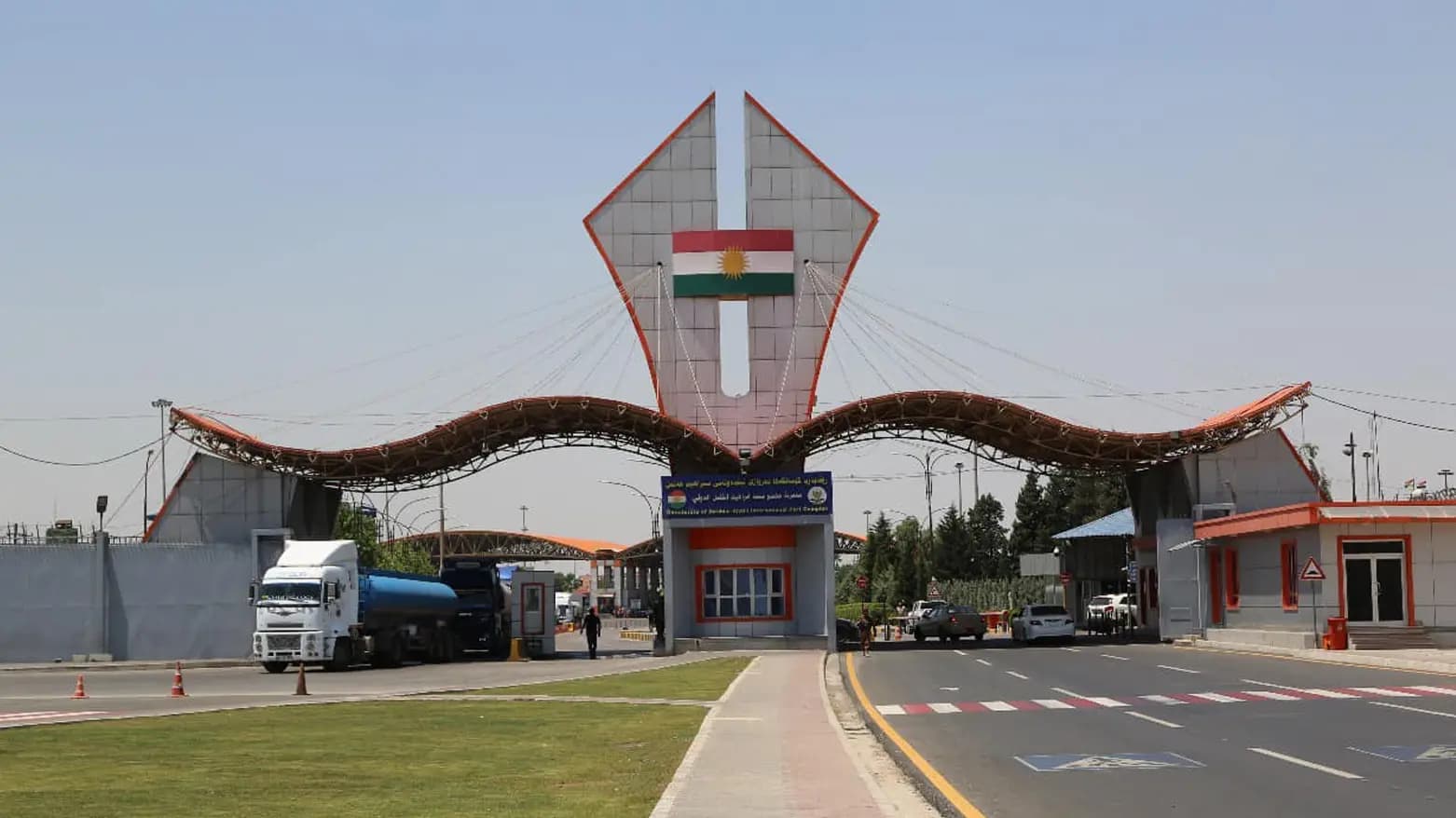
The report said the Ibrahim Khalil border crossing on the Turkey border in Duhok province, Haji Omaran on the Iran border in Erbil province, and Bashmakh on the Iran border in Sulaimani province accounted for the highest share of customs revenues among all Kurdistan Region border crossings.
The figures come as the Kurdistan Regional Government (KRG) moves forward with plans to integrate its customs procedures with Iraq's federal system through the Automated System for Customs Data (ASYCUDA).
The Kurdish cabinet on Wednesday approved a joint agreement with Baghdad to implement the nationwide electronic customs platform, saying the initiative "aims to unify customs procedures across Iraq, digitalize these processes, and enhance clarity and transparency in border customs revenues."
The Council of Ministers added that "ultimately, this will lead to an increase in public revenues, a reduction in bureaucracy, and the promotion of commercial movement at border crossings."
ASYCUDA, developed by the United Nations Conference on Trade and Development (UNCTAD), is already in use at all 22 federal border crossings in Iraq. To facilitate its rollout in the Kurdistan Region, officials from the KRG and Iraq's General Commission of Customs recently signed a 16-point Letter of Agreement in Baghdad, resolving months of negotiations over the management of international trade through the Region's border crossings.
A high-level KRG delegation is expected to visit Baghdad next week to discuss implementation of the system, which regional officials say is intended to modernize customs administration while increasing transparency and public revenue. However, some Kurdish authorities have expressed concerns that the new mechanism could expand Baghdad's oversight of commercial imports through the Kurdistan Region.
Hastyar Qadir contributed to this report.
.jpg&w=3840&q=75)