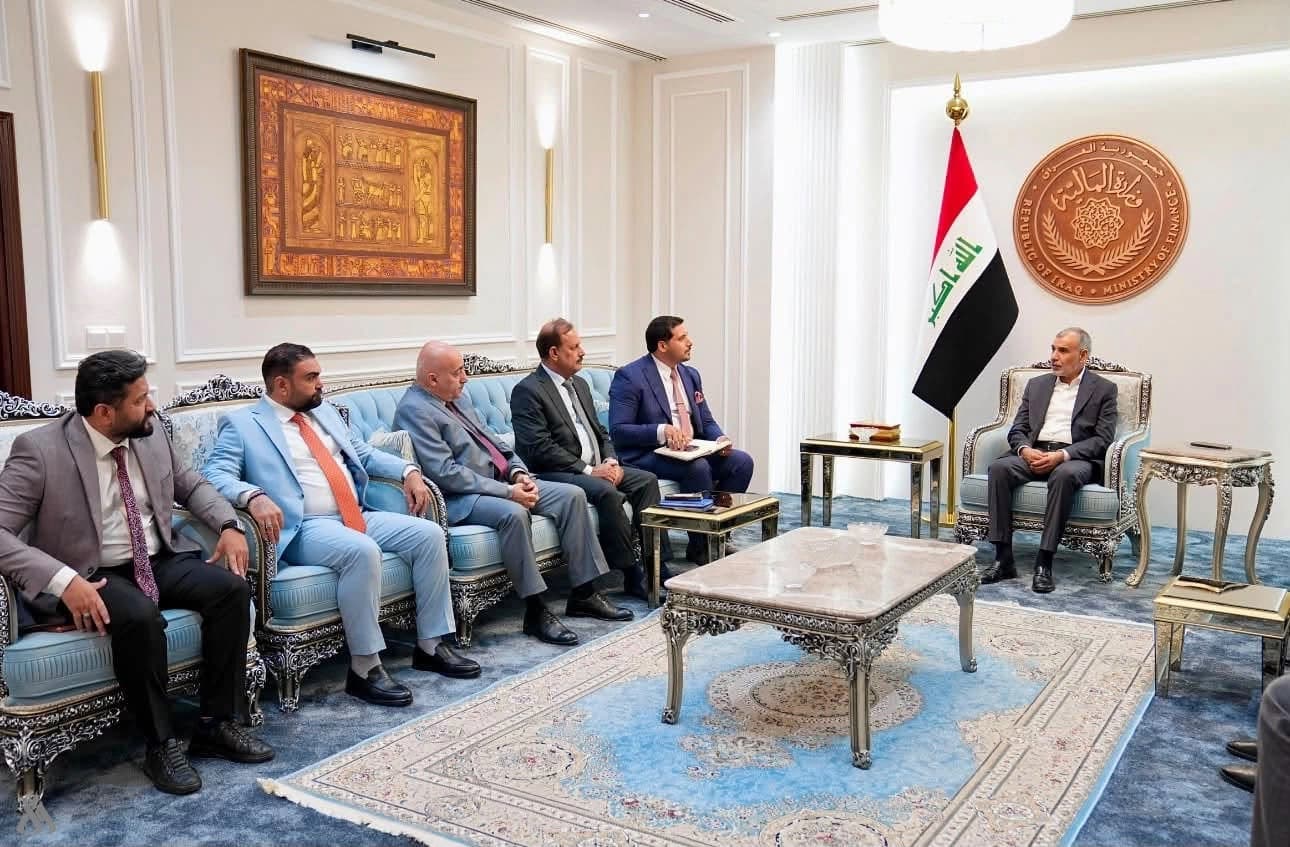

ERBIL, Kurdistan Region - Iraq’s customs revenues are expected to exceed four trillion dinars by the end of the year, a sharp rise from last year’s record haul, despite a 50 percent drop in revenues at seaports due to the regional war and closure of the Strait of Hormuz, the country’s customs chief said on Friday.
“By the end of September, we expect total revenues to reach three trillion dinars, and by the end of the year, we expect customs revenues to exceed four trillion dinars,” Samer Qasim, director general of Iraqi Customs, told Rudaw’s Malik Mohammed.
Iraq collected 2.4 trillion dinars in customs revenues in 2025, which authorities described at the time as an unprecedented figure. A four-trillion-dinar haul would represent a significant increase from last year.
Qasim said customs revenues reached 560 billion dinars in July and 480 billion dinars in August.
Baghdad has sought to increase non-oil revenues and modernize customs procedures through the rollout of the Automated System for Customs Data (ASYCUDA), a customs management system developed by the United Nations Conference on Trade and Development (UNCTAD).
Iraq began moving from paper to electronic customs declarations at the start of 2025 as part of the system’s implementation. The finance ministry says ASYCUDA is designed to automate customs clearance, electronic payments and the exchange of data with other government agencies.
The rise in overall customs income this year comes despite a major decline at Iraq’s seaports as the regional war and closure of the Strait of Hormuz disrupt maritime trade.
“Because of the war and the closure of the Strait of Hormuz, customs revenues at the ports have declined by 50 percent,” Qasim said.
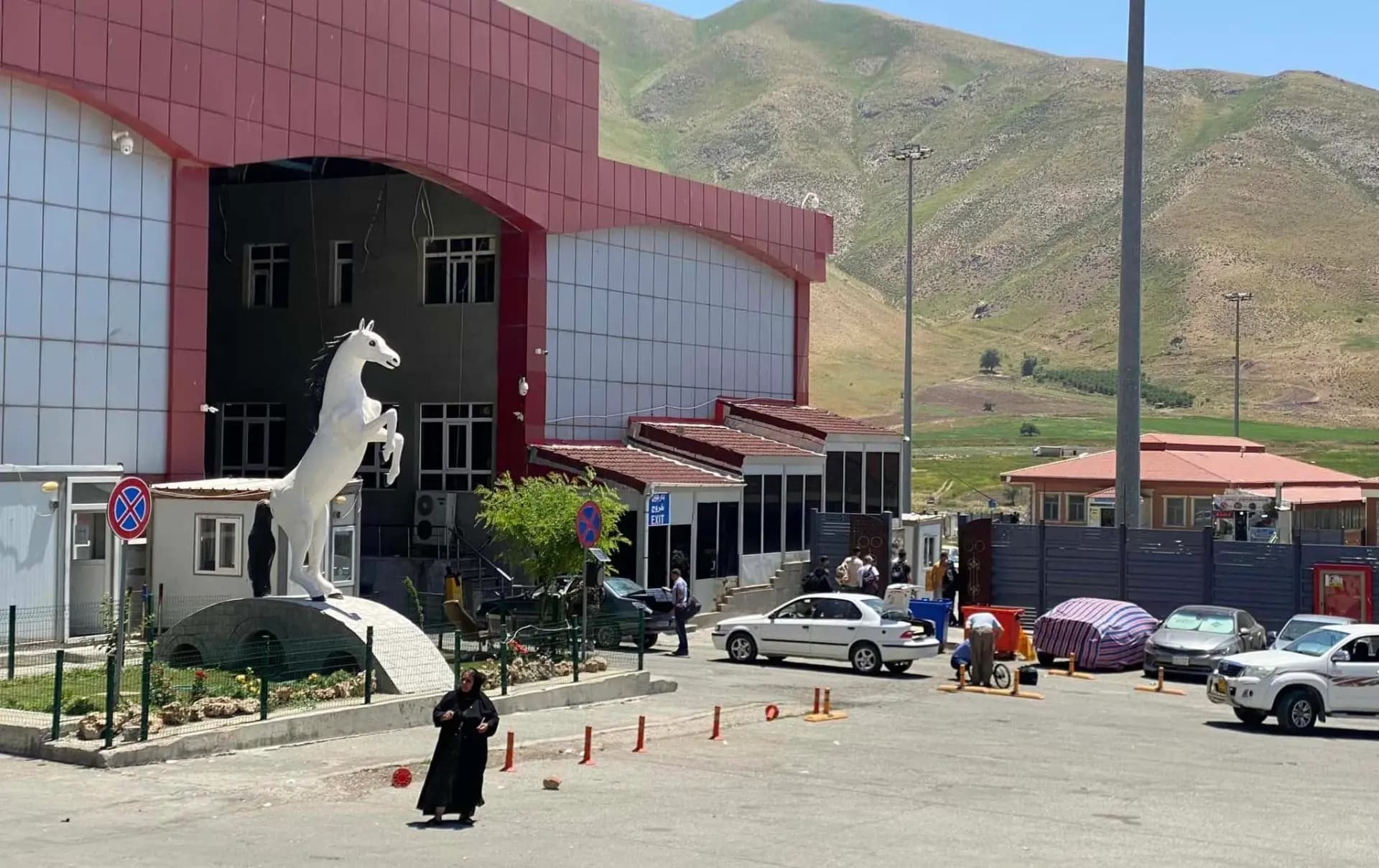
The disruption has increased the importance of land routes, with the Trebil border crossing with Jordan emerging as one of Iraq’s busiest commercial gateways.
“Following the decline in revenues from the ports due to the war, the Trebil crossing with Jordan is now one of Iraq’s busiest crossings,” Qasim said.
Iraq has 22 official land, sea and air border crossings.
Baghdad is also seeking to extend the electronic customs system to the Kurdistan Region as part of longstanding efforts to unify customs procedures and tariffs across the country.
On June 18, a Kurdistan Region delegation specializing in customs and digital integration signed a 16-point agreement with Iraq’s General Commission of Customs on implementing ASYCUDA at the Region’s border crossings.
“Our understanding with the Kurdistan Region has reached a very advanced stage. The decisions of the Council of Ministers and the Ministerial Council for the Economy are clear regarding the electronic transformation of the Kurdistan Region’s border crossings,” Qasim said.
“Our brothers in the Kurdistan Region have been very cooperative, and we have reached the final stage of developing a roadmap to connect the Kurdistan Region’s border crossings to the ASYCUDA system,” he added.
Disagreements over customs have long been among the economic disputes between Erbil and Baghdad, with the two governments operating separate systems and tariffs at their respective border crossings.
The federal government has pushed for uniform tariffs and the adoption of ASYCUDA at the Kurdistan Region’s crossings, while Erbil has insisted that implementation of the system in the Region be carried out through its own institutions.
The two sides have made progress in recent months. In May, Baghdad approved the use of ASYCUDA for all goods entering through the Ibrahim Khalil border crossing with Turkey, expanding it beyond food and medicine.
Qasim said the next stage of the broader rollout in the Kurdistan Region could begin within weeks.
“We expect practical steps to implement the system and train employees in the Kurdistan Region to begin at the start of October this year,” he said.
According to Qasim, implementing the system across the Kurdistan Region would have several benefits, including “increasing revenues for the Kurdistan Region and the federal government, closing illegal border crossings, and unifying customs tariffs across Iraq.”
*The official exchange rate is 1,310 Iraqi dinars to the US dollar.