
ERBIL, Kurdistan Region - Seven major oil-producing countries, including Iraq, agreed Sunday to maintain their current production targets through December, as the regional war continues to disrupt global energy supplies and Baghdad seeks to increase oil exports through alternative routes.
“The seven participating countries decided to maintain September 2026 required production for December 2026,” the Organization of the Petroleum Exporting Countries (OPEC) said in a statement following a virtual meeting.
The seven OPEC+ countries - Saudi Arabia, Russia, Iraq, Kuwait, Kazakhstan, Algeria, and Oman - also reaffirmed their commitment to complying with their agreed production levels and scheduled their next meeting for November 29.
The decision comes amid continued disruptions to energy exports caused by the regional war that erupted between the US and Iran in late February, with shipping through the Strait of Hormuz significantly affected. Oil-producing countries have been working to restore oil shipments to pre-war levels while navigating uncertainty over global supplies and prices.
Brent crude settled near $118 per barrel on Friday, its highest level since April, according to Reuters.
OPEC+ is also reviewing members' production capacities ahead of negotiations over output targets for 2027. Iraq has reportedly sought a higher production baseline of six million barrels per day, which could allow Baghdad to secure a larger quota next year.
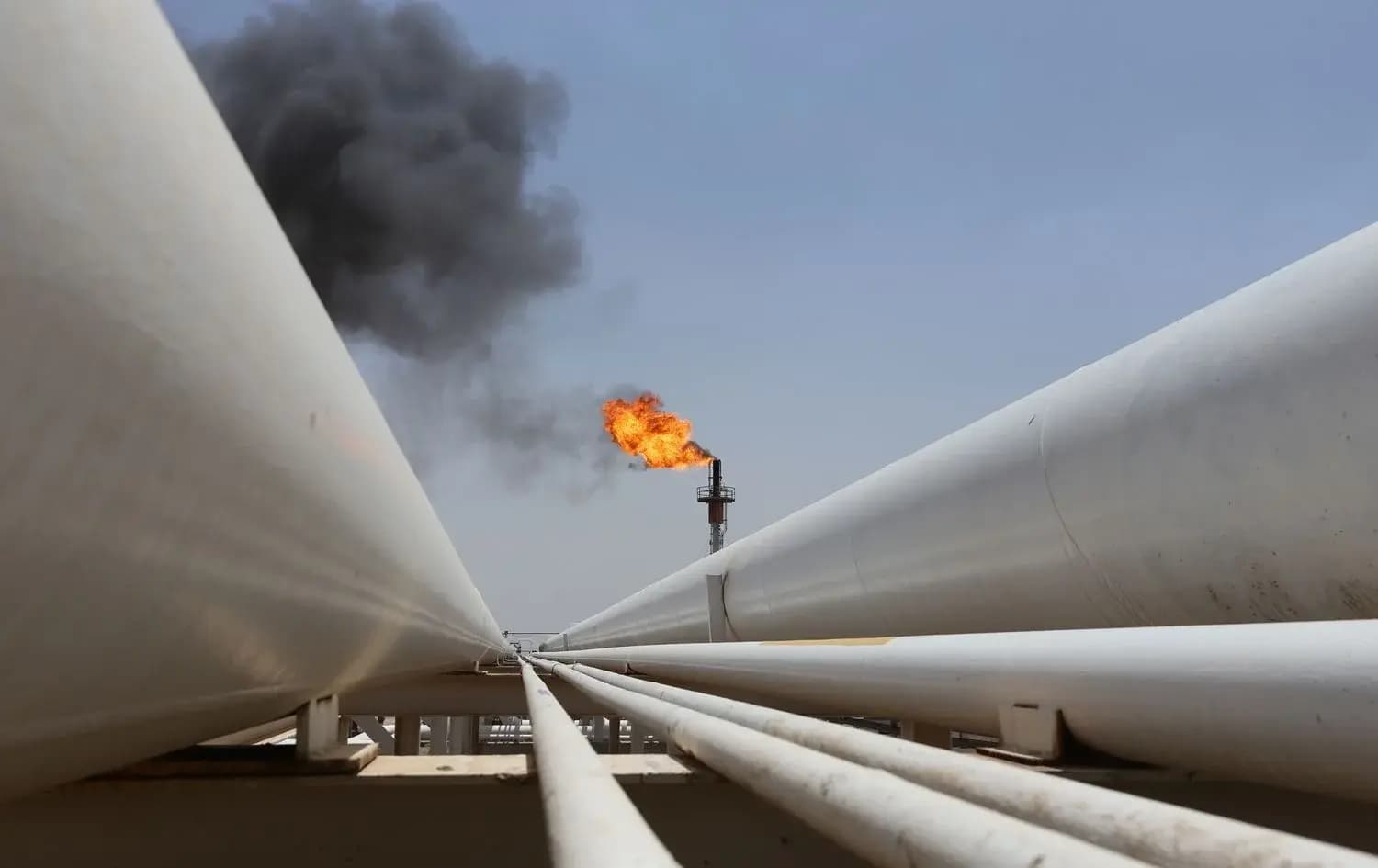
Meanwhile, Iraq is working to increase exports through the Kurdistan Region's pipeline to Turkey's Mediterranean port of Ceyhan.
Baz Karim Barzanji, Chairman of KAR Group - an Iraqi-Kurdish oil company - announced on Saturday that oil exports Iraq's State Organization for Marketing of Oil (SOMO) sold through the pipeline had doubled from 250,000 to 500,000 barrels per day.
Barzanji said that if the pipeline reaches its maximum export capacity of one million barrels per day, approximately 33 percent of Iraq's total oil exports could reach international markets through the Kurdistan Region.
However, Iraqi Oil Ministry spokesperson Salim al-Rukabi told Rudaw's Malik Mohammed on Saturday that shipments through the pipeline fluctuate between 300,000 and 400,000 barrels per day, depending on production in the Kurdistan Region and crude transported from southern Iraq.
He added that Baghdad plans to sign another transport contract to move larger quantities of southern crude northward by tanker trucks to increase exports through the pipeline.
Separately, Barzanji announced the completion of the Kurdistan Region's interconnected natural gas pipeline network, extending from the Khor Mor gas field in Sulaimani province to Duhok.
The network allows gas produced in the Region to reach power stations, factories, and industrial facilities directly, marking what Barzanji described as an important step toward strengthening energy security and industrial development.