ERBIL, Kurdistan Region - The deputy spokesperson of the French foreign ministry described the visit by the French president to Damascus as “historic” on Friday and reiterated France’s support for a unified Syria that includes all its components.
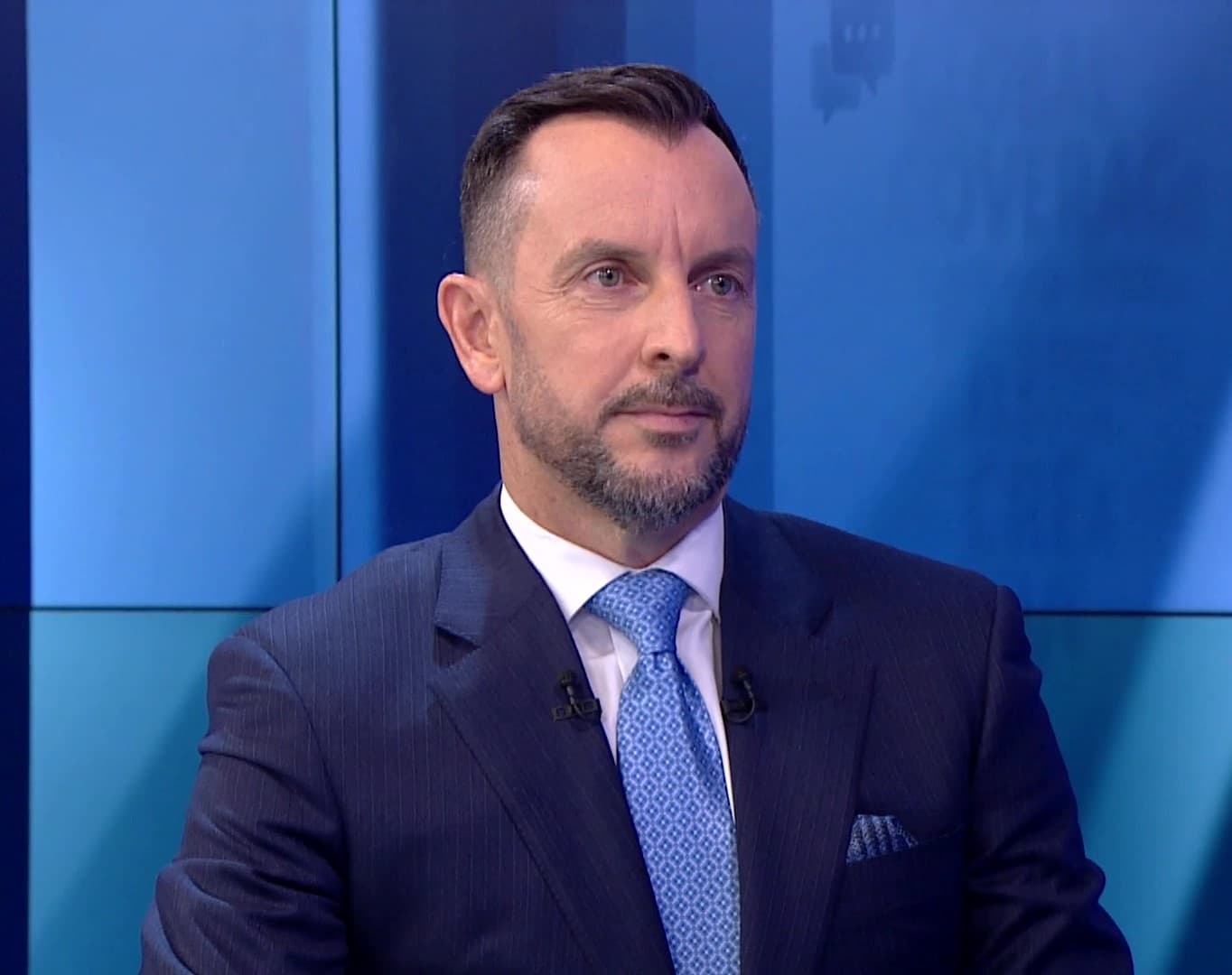
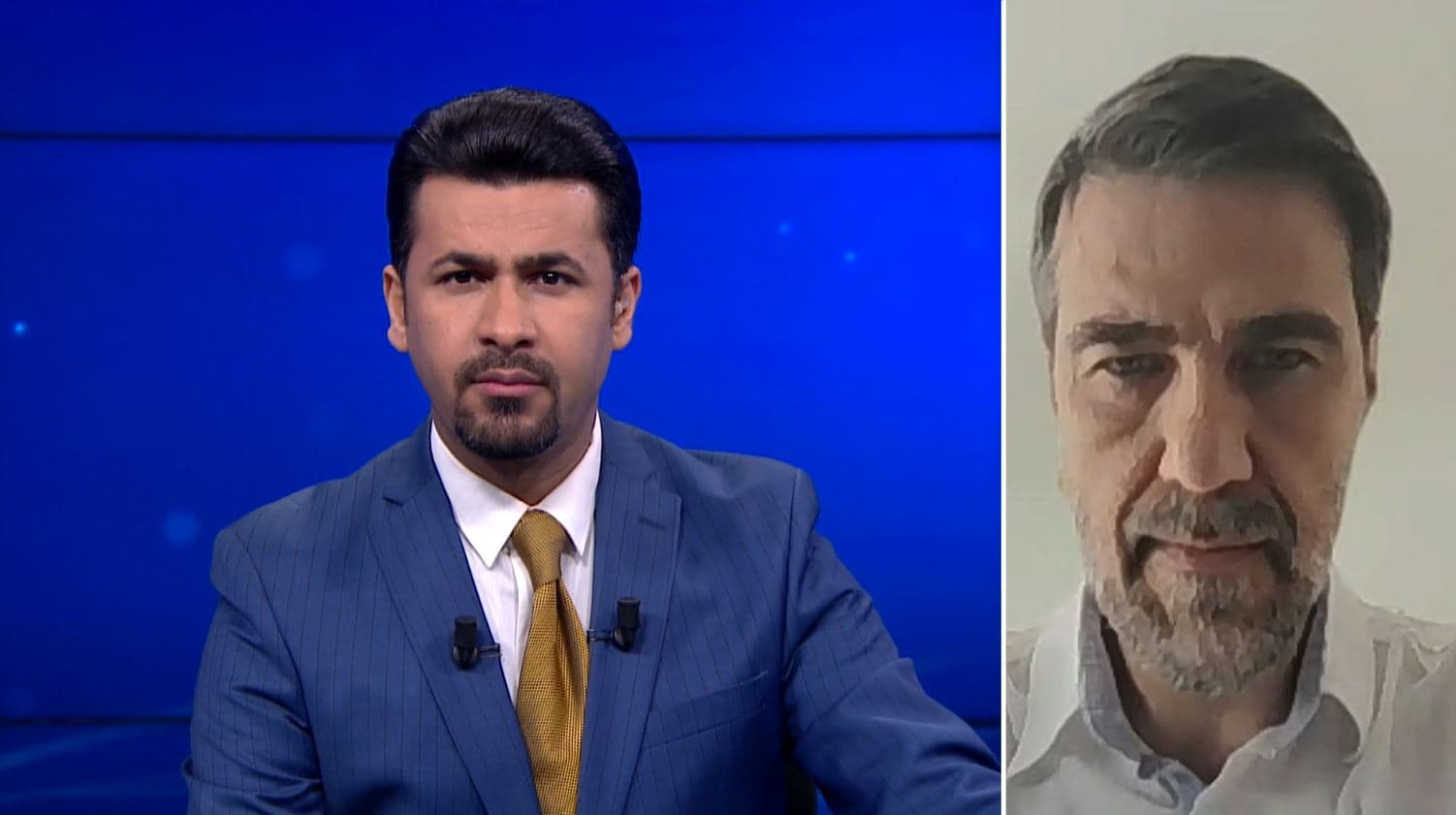
“I think it was a historic visit because it was the first time a French president was coming to Syria in 18 years,” Pascal Confavreux told Rudaw’s Nalin Hassan, noting that the diplomatic visit was the first by a Western head of state since the fall of the Bashar al-Assad regime.
Macron's visit to Syria is the first by a French president since Nicolas Sarkozy (2007 - 2012) visited Damascus in 2009, two years before the eruption of the Syrian civil war in 2011.
Confavreux told Rudaw that the visits outlined France’s objectives “to come and support the Syrian people,” to “develop our cooperation in terms of security,” and to have a “group of companies and investors to support the economic development of the country.”
“On all of these three points, it has been a great success,” he said.
The deputy spokesperson voiced French and European support for rebuilding Syria’s economy. President Macron was accompanied by a dozen French CEOs from leading companies in the medical, energy, and hospitality sectors, such as Total or CMH and EDM, he stated, “to take part in the Syrian reconstruction.”
Confavreux emphasized the importance of meeting “with all the different components of the Syrian society,” in reference to the inclusion of Syria’s Kurdish population in “a sovereign and unified Syria.”
Confavreux affirmed France’s “interest” in “following the implementation” of “the January 30th agreement between the Syrian Democratic Forces [SDF] and the Syrian authorities that will push for the preservation of the Kurds' identity,” in conjunction with “the integration of the Syrian Democratic Forces within the Syrian regime.”
Kurdish fighters have engaged in clashes with Syrian military forces over the governance of Syria’s northeastern semi-autonomous Rojava which boasts a Kurdish-majority population, after Syrian interim President Ahmed al-Sharaa’s appointment following the collapse of the Assad regime. Damascus and the SDF reached a landmark agreement to end the fighting in late January, with significant mediation from then US Special Envoy for Syria Tom Barrack and political leaders from the Kurdistan Region.
“We are closely monitoring this agreement, which is extremely important and which sets clear objectives and a clear path for the integration of the Syrian Democratic Forces within the Syrian regime and actually help this sovereign and unified Syria, which includes all the Syrian components of the society,” he stated, noting that Paris “welcomed” SDF’s leader General Mazloum Abdi on his June 18 visit.
Macron’s visit included the return of 23 antiquities to the National Museum of Damascus loaned to the Arab World Institute in 2010 and held in France during the civil war to prevent their destruction. The artifacts span from prehistory through the Abbasid era, including Mesopotamian and Roman civilizations.
"France has safeguarded Syrian archaeological treasures for years of war, to protect them from destruction and trafficking," the French leader said, adding that he is "very proud to bring them back to Damascus."
Confavreux described the return as “very symbolic,” stating that they need to be “exposed and displayed in Syria with all our help in terms of museum cooperation.”
During President Macron’s visit to Damascus, twin bomb attacks targeted his security detail on Tuesday. The attack resulted in two deaths and 36 injuries. The Syrian interior ministry announced the arrest of the suspected attackers on Thursday.
Despite the attacks, Macron continued his visit as scheduled throughout Monday and Tuesday, Confavreux said.