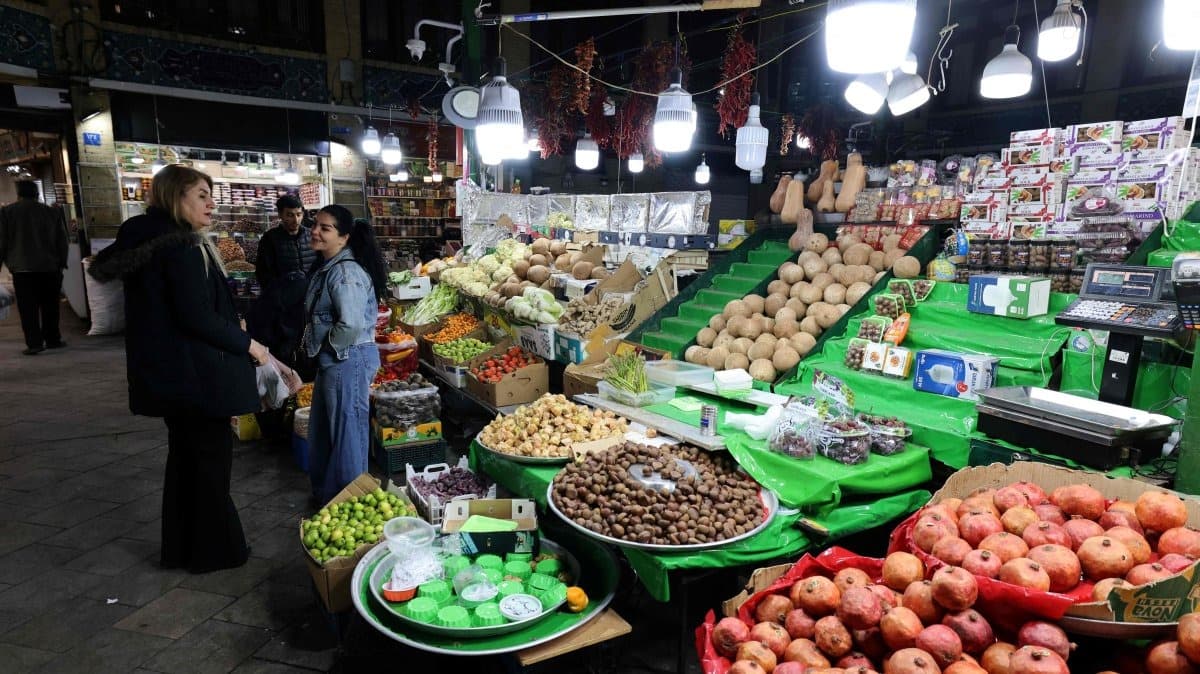

ERBIL, Kurdistan Region - Tehran judiciary chief has ordered his public prosecutors to intervene in the capital’s bazaar to curb price hikes on food and other essential goods as the population, already burdened by war and sanctions, faces extreme pressure from high inflation and increased cost of living.
Inflation reached 113 percent in the second month of the Iranian calendar ending on May 21, according to Iranian media, raising concerns in the corridors of power in Tehran that a population burdened by war and sanctions could pour into the streets as they did in January.
Hundreds of shop owners gathered in Tehran’s Grand bazaar in a series of mass protests that erupted in late December, following months of economic downturn and the devaluation of the Iranian rial. The protests quickly spread across the country, with state security forces reportedly killing thousands to suppress demonstrations.
Fearing a repeat ordeal, Ali Alqasi, chief justice of Tehran province, announced heightened prosecutorial inspection patrol and increased supervision in the markets in a joint effort with the deputy prosecutor and head of the 7th District Prosecutor's Office of Tehran.
“People who keep essential goods outside official registration and distribution networks or refuse to supply them on time will be held accountable,” he firmly stated.
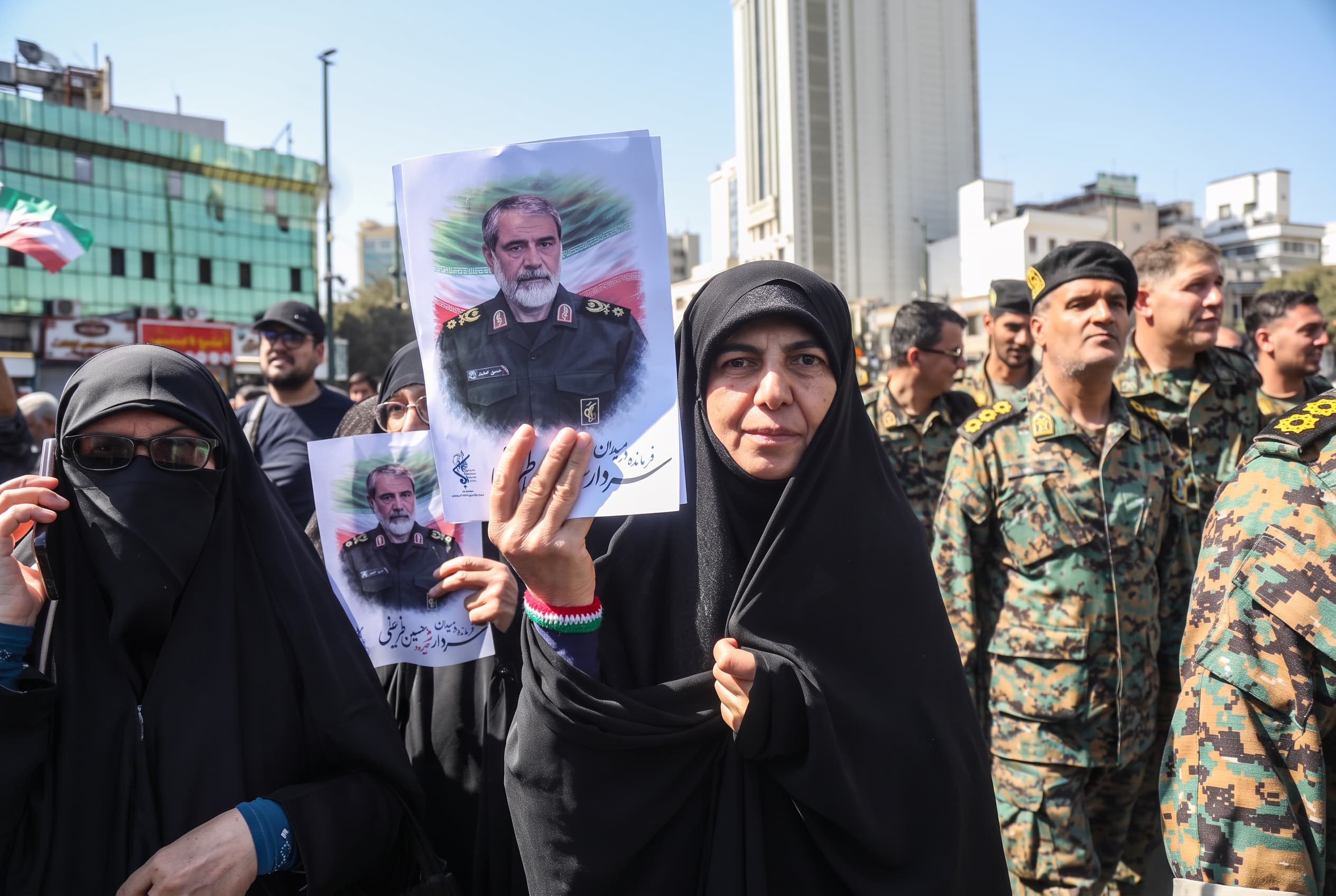
The state has been particularly wary of leaving the streets unattended since the January protests. As soon as the United States and Israel began their aerial bombing campaign against Iran in late February, the regime called on its supporters to take to the streets and stop the “internal enemy” from taking advantage of the war.
Security forces have since detained thousands of people, accusing them of “collaborating with the enemy” and describing them as “agents” of the US and Israel. Around three dozen individuals have already been executed for alleged spying and on charges of espionage.
State officials have described the Iran war as existential for the regime, as state revenues from oil have sharply declined. The US on April 13 imposed a blockade on southern Iranian ports with US Central Command (CENTCOM) forces disabling nine non-compliant vessels and redirecting 135 ships as of June 12.
Authorities are now scrambling to control spiraling inflation in markets and shops in Tehran’s bazaars as well as across the country in an attempt to quell price surges, as international sanctions strain Iranian consumers and leave small and medium-sized businesses on the verge of bankruptcy.
This comes as the European Union (EU) recently slapped new sanctions on Iran over its restriction of maritime traffic in the Strait of Hormuz, while the UN Security Council voted to reinstate previous ones.
“The EU continues to hold Iran accountable,” said Kaja Kallas, the EU High Representative for Foreign Policy and Security on Monday, stating that the EU would protect its interests and that sanctions “send a message to Tehran that Iran’s future cannot be built on repression.”
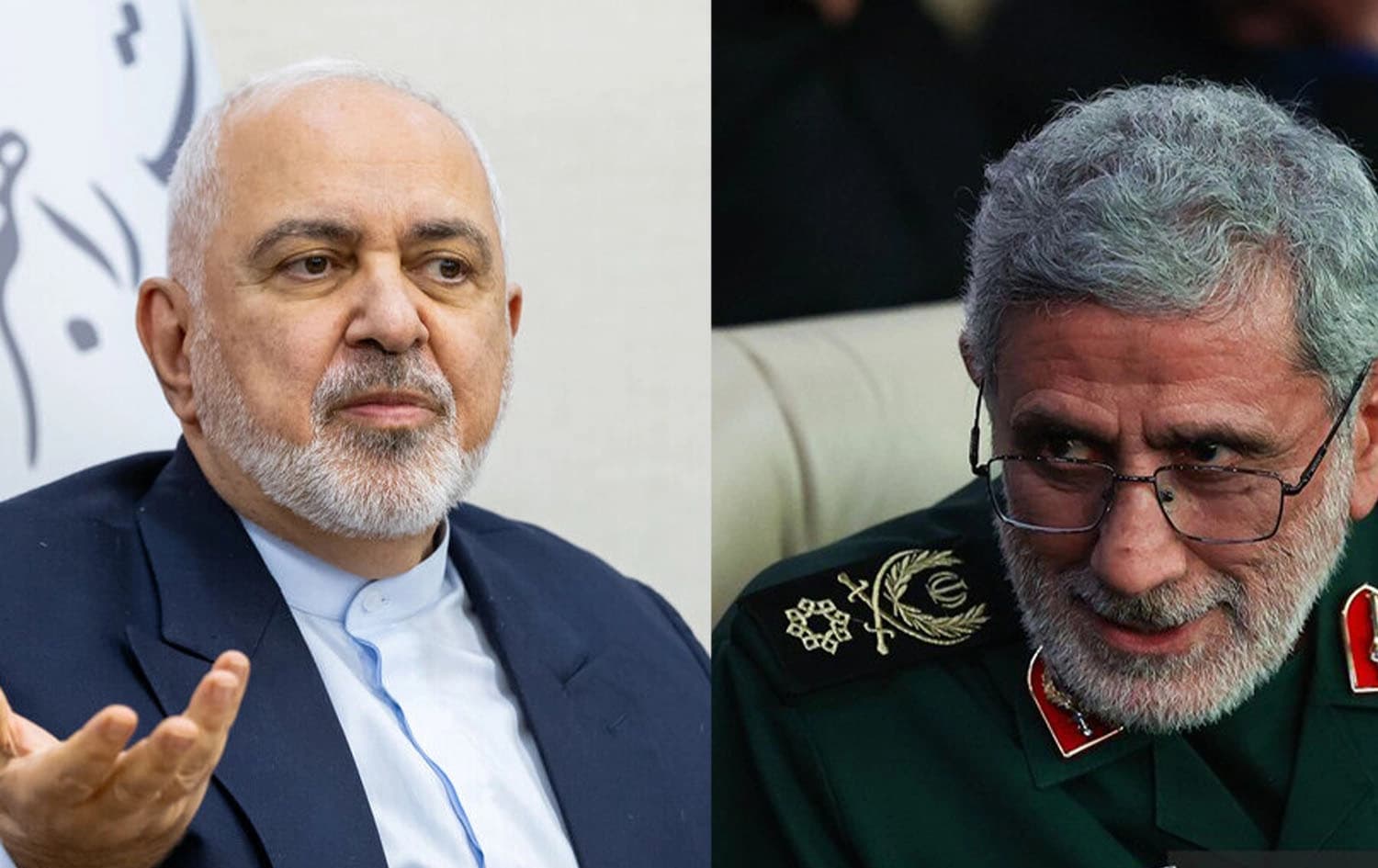
Recent EU sanctions include a member of the Naval Command of Iran's Islamic Revolutionary Guard Corps (IRGC) and two related officials, said Kallas. The measures call for freezing their assets in EU member states and banning their entry to the EU.
The economic crisis has prompted the need for higher levels of direct intervention such as subsidy reforms and coupons known as kala barg, which were introduced in January but proved insufficient in safeguarding consumers against currency devaluation.
Iranian President Masoud Pezeshkian has repeatedly warned domestic suppliers against overpricing goods during an economic crisis, stating that “people should not feel any shortage in terms of goods’ supply and distribution.”
The IRGC Intelligence Organization carried out a similar campaign during the global outbreak of covid-19 when the country underwent a severe crisis, seizing and later distributing over 1,200 metric tons of hoarded limes in Fars province, one of Iran's largest citrus-producing regions, according to a report by Radio Farda, a Persian-language US government-funded outlet, in January 2021.
Sanctions relief remains a key issue in the stalled negotiations between Tehran and Washington, as US President Donald Trump has reportedly vowed to unfreeze Iranian assets only after a peace agreement is reached.
Meanwhile, the US Department of the Treasury’s Office of Foreign Assets Control (OFAC) has sanctioned an additional nine individuals and entities on Wednesday, accusing them of supporting weapons procurement on behalf of the IRGC as well as the Ministry of Defense and Armed Forces Logistics (MODAFL).
The measures enacted on Wednesday are part of a larger effort to deliver “maximum pressure on Iran” by aggressively targeting the overseas procurement and financial networks that help Iran advance its weapons production and proliferation capabilities, according to a US Department of State press release. This builds on May 8 designations targeting procurement networks that sourced weapons for the IRGC and Iran’s Center for Innovation and Technology Cooperation (CITC) from China and Hong Kong.
Additionally, the UN Security Council voted on Tuesday to reinstate six resolutions, including UN Resolution 1737 on uranium enrichment and reprocessing activities, as targeted measures to curb Iran’s arms proliferation and protect international security.
Iran’s oil future remains unclear, as does the duration for which coupons will prove sufficient in alleviating major structural economic changes and appeasing a population that is eager to unleash its unbridled anger against the regime.
Iranians struggle with the rising cost of basic staples amid soaring inflation to the point where chain stores and smaller retailers have had to resort to offering payment plans with installments payable over the course of several months for food and household essentials.
Rampant inflation has also pushed Iranians to shift their dietary habits as many are hardly able to afford very basic essentials such as bread, which is becoming a daily challenge as rent, medicine and health expenses take priority.
Iran usually receives its oil money from China about four months after shipments depart from its southern ports. It takes around two months for the oil shipments to arrive and another two months to settle payment, totaling a four month process.
A recent report from Kpler, a global trade and data analytics firm, shows that Iranian oil exports were down from over two million barrels daily to less than 300,000 in May and may have nearly ceased in June.
Should the April 13 blockade on Iranian ports continue, Tehran is due to feel the heat in August.