
ERBIL, Kurdistan Region - Iranian oil exports resumed on Wednesday as the first tankers carrying crude left the US naval blockade zone in the Strait of Hormuz, according to a shipping monitor, ahead of the upcoming ceremony for the signing of the high-stakes US-Iran deal in Switzerland this Friday.
The development comes two days before leaders from Washington and Tehran are due to meet in Switzerland to sign a Memorandum of Understanding (MoU), a framework agreement that outlines a roadmap for lifting international sanctions, ending months of conflict that began in late February.
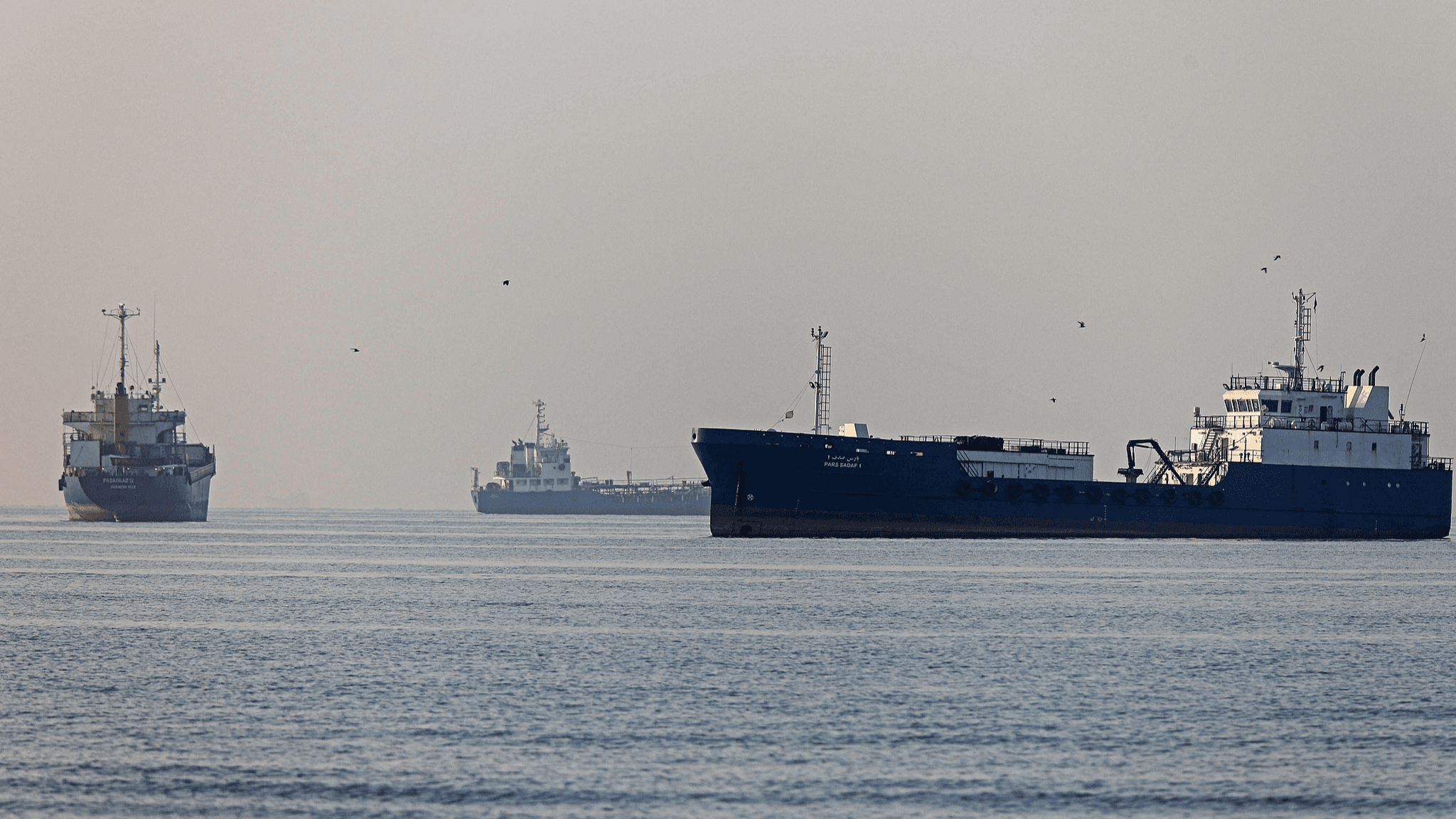
This comes as TankerTrackers, a global maritime intelligence company tracking crude oil shipments, documented that Iran has resumed crude exports for the first time in two months.
"At least two National Iranian Tanker Company (NITC) VLCC supertankers named DIONA (9569695) and HERO2 (9362073) have exited the US Navy blockade perimeter carrying a combined total of 3.8 million barrels of Iranian crude oil between them," the monitor said in a post on X, later reporting that a third tanker carrying one million barrels of Iranian crude oil had also departed.
The resumption of exports follows reports that the US will permit Iran to immediately resume oil and fuel sales under the proposed peace agreement. Sanctions waivers covering oil exports, banking, transportation and insurance would take effect once the deal is formally signed, according to a Wall Street Journal report.
Iran Foreign Minister Abbas Araghchi confirmed that negotiations would soon move into their next phase.
"A new phase of negotiations between Iran and the US will commence on the same day the memorandum of understanding is formally signed, with the next stage aimed at reaching a final deal within a 60-day timeframe," Araghchi said during a meeting with ambassadors on Tuesday.
Despite growing optimism surrounding the diplomatic process, regional tensions remain high. The Israeli military said it carried out strikes in southern Lebanon after identifying what it described as a suspicious vehicle near its forces and also targeted a rocket launcher following intercepted projectiles.
Iran's central military command warned Israel to "await a harsh response" to the attacks, while Lebanese state media reported that strikes on vehicles in the towns of Mayfadoun and Shukeen killed four people.
The peace deal framework paves the way for 60 days of negotiations on unresolved issues, including Iran's uranium enrichment program and the removal of economic sanctions. The US and Israel continue to press for the elimination of Iran's stockpile of highly enriched uranium, while Tehran maintains that it has the right to enrich uranium for peaceful purposes.
The conflict began on February 28 following US-Israeli military strikes on Iran. Tehran responded with attacks against Israel and US assets in the region while effectively disrupting shipping through the Strait of Hormuz.
The US and Israel have targeted more than 17,000 sites across Iran over six weeks of hostilities before the warring sides agreed to a Pakistan-mediated April 8 ceasefire to halt fighting for two weeks to pursue talks.
While the first round of discussions ended without a final agreement on April 11, the situation was further complicated amid the apparent tit-for-tat maritime restrictions imposed by the US and Iran in the strategic Strait of Hormuz, particularly since the ceasefire took effect.